
WASHINGTON – Major Sorffly Davius died on March 6 in Kuwait. His service record was processed, his family was notified, and his name entered the military’s internal files. It did not, however, enter the Defense Casualty Analysis System, the official federal registry the Pentagon publishes as the authoritative record of American deaths and injuries in the Iran war.
Davius’s absence from that count is one of several cases documented in a report published Sunday by The New York Times, which found that the Pentagon has systematically manipulated official casualty statistics in ways that understated the human cost of a conflict the administration has described as a limited and successful operation.
The discrepancy is not a matter of administrative lag. The DCAS count, which stood at 385 as of early July, rose to 428 in a subsequent public update and then, without announcement or explanation, dropped by 15 to 413. The unexplained subtraction is among the most concrete indicators in the report that the numbers were being managed rather than simply compiled.
Among the largest omissions documented in the Times report was the exclusion of more than 200 sailors injured aboard the USS Gerald R. Ford following a March 12 Iranian missile attack that set the carrier ablaze. Their wounds were categorized by the Pentagon as non-combat injuries, a classification disputed by current and former defense officials, several of whom described the decision as a deliberate accounting maneuver rather than a legitimate definitional call.
One official with direct knowledge of the casualty tracking process, speaking without authorization and on condition of anonymity, used plain language: “This is the definition of a cover-up.” Joan Crenshaw, identified as a former DCAS employee, raised similar procedural concerns, according to the report.
The Ford’s sailors represented one cluster. A broader pattern also emerged in the report: service members injured in what were internally classified as non-combat circumstances, including base perimeter breaches, logistics operations conducted under fire, and medical evacuations that went wrong, were excluded on technical grounds that critics described as pretextual. The cumulative effect was a public-facing number that, as of mid-July, bore limited relationship to what the military’s own internal records reportedly showed.
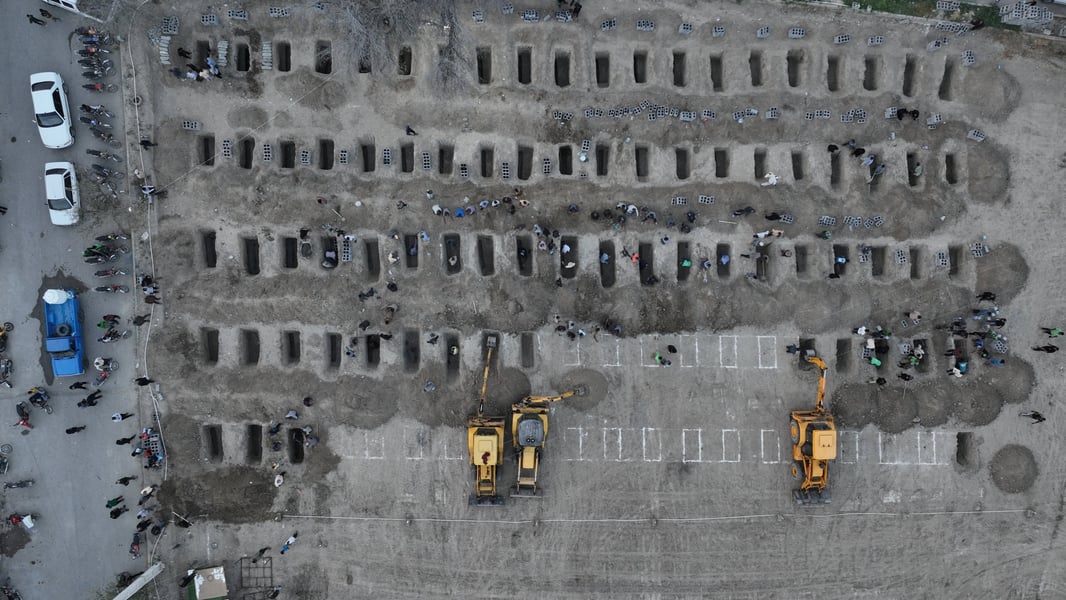
The Pentagon officially acknowledged 17 combat deaths as of mid-July. Two US service members were killed in an Iranian strike on an American base in Jordan last week, in what CENTCOM confirmed were among the first formally acknowledged combat deaths of the conflict. Defense Secretary Pete Hegseth’s office did not respond to the Times’s request for comment before publication.
A Pentagon press secretary, in a statement issued after the report, said the DCAS applied criteria established under Title 10 of the United States Code, and declined to address specific exclusions. The statement did not explain the 15-death drop between the 428 figure and the currently published count of 413.
The political stakes are direct. Donald Trump has presented the Iran campaign as evidence of American military superiority and resolve, citing official casualty figures in public statements as proof that American forces have been protected. A substantially different number, even one that remains in classified channels, would mean the president’s characterization of a low-cost operation rested on numbers his own department had arranged. The war entered its ninth night Monday, with Brent crude above $90 and American strikes on Iranian infrastructure continuing.
Congressional oversight of the Iran war has been largely confined to classified briefings, and public pressure to open the underlying records has been rebuffed. As of Sunday evening, no member of the Senate Armed Services Committee or the House defense appropriations subcommittee had made a public statement in response to the Times report. Whether the discrepancy prompts a formal inquiry, and what authority such an inquiry would have to compel disclosure of internal DCAS documentation, remained open questions.
What the Pentagon has not answered is who authorized the exclusion decisions, at what level of the chain of command those decisions were made, and whether the number currently published reflects a final accounting or a continuing process of adjustment. Major Davius’s name is in the military record. It is not in the official number. The distance between those two facts is the question the report has placed in the public domain, and which the administration has not yet chosen to address.