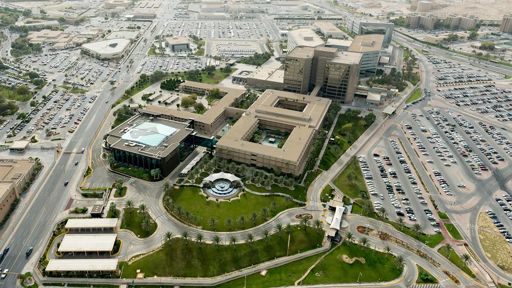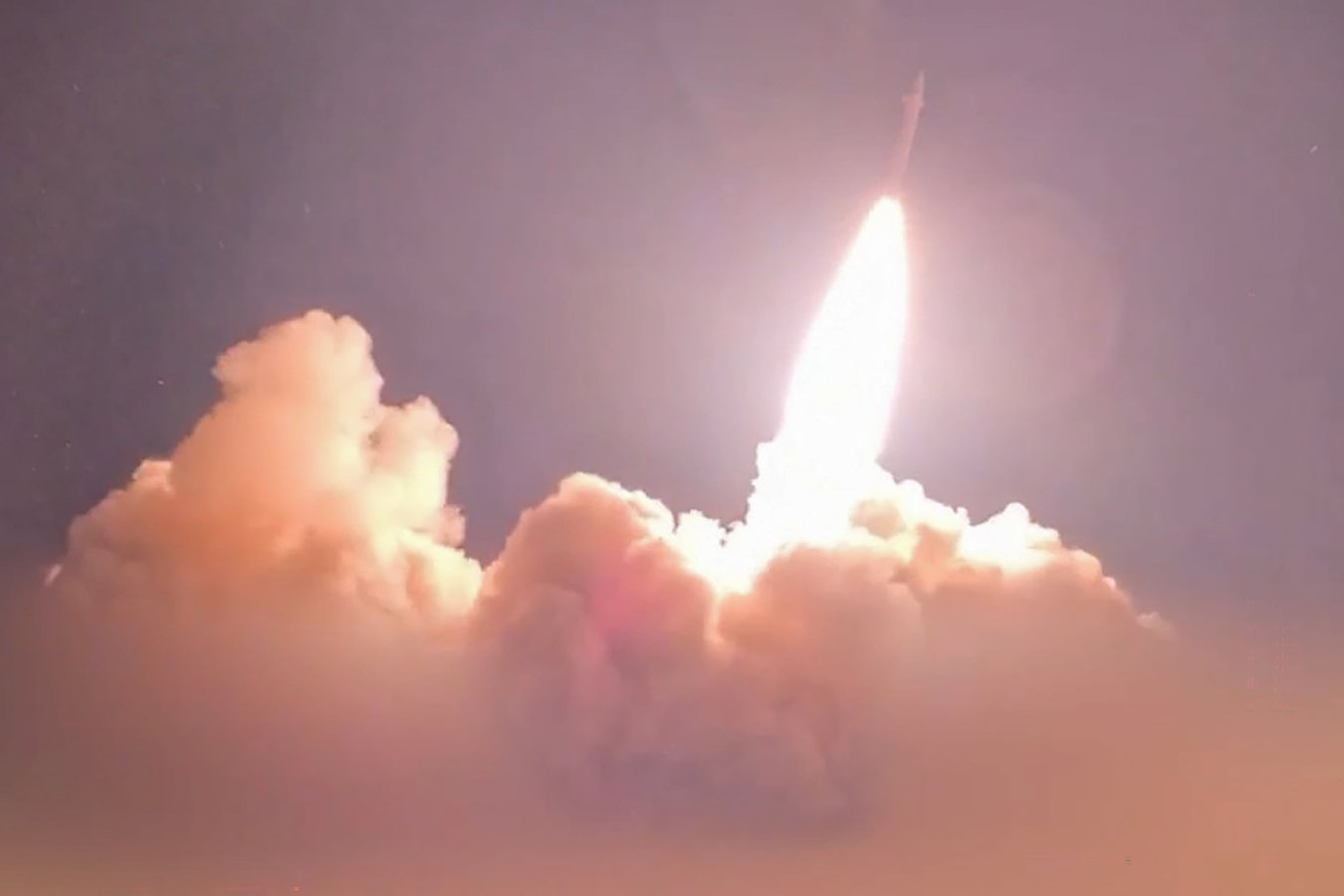

AMMAN – Two United States service members were killed in Iranian ballistic missile and drone strikes on an American military installation near Azraq in northeastern Jordan on Thursday, US Central Command confirmed Saturday, marking the first confirmed American combat deaths in the open military conflict between Washington and Tehran that has been running for three weeks. A third service member from the same base remains missing in action.
The Central Command statement said four additional personnel were medically evacuated to Jordanian hospitals and were later discharged, while others received treatment for minor injuries on-site. The agency did not disclose the names of the dead or the missing, stating it would withhold identities until the families of those killed and missing had been formally notified. “Two US service members in Jordan were killed in action as US Central Command and partner forces defended against Iranian ballistic missile and drone attacks,” the statement read.
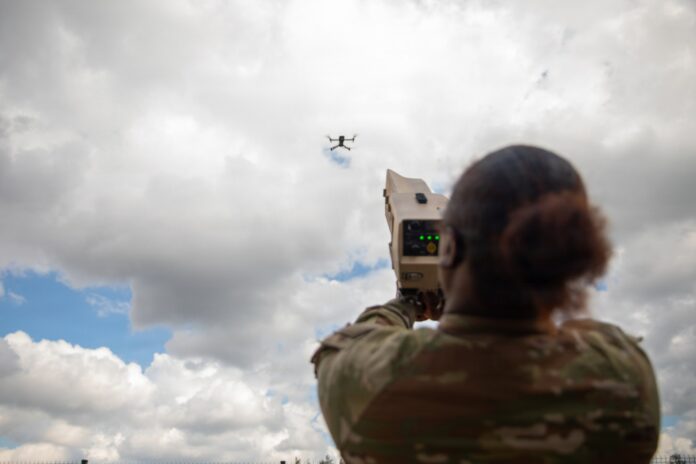
Iran’s Islamic Revolutionary Guard Corps claimed responsibility for the Azraq strike as part of a broader coordinated salvo on July 17 that simultaneously targeted the US fuel pier at Kuwait’s al-Ahmadi port and the Sheikh Isa Air Base in Bahrain, Al Jazeera reported. The IRGC separately claimed to have destroyed two US fighter aircraft, a claim that the Pentagon had not confirmed by Saturday evening. Jordanian military officials said air defenses intercepted ten Iranian ballistic missiles before some broke through, a failure of the intercept screen that US officials had not publicly addressed.
The Azraq strike represents a qualitative shift in the conflict. Iranian forces have targeted US military infrastructure in Bahrain and Kuwait repeatedly since the Islamabad MoU collapsed, but Thursday was the first time IRGC munitions killed serving American personnel. The deaths change the political arithmetic in Washington in ways that drone attacks on fuel piers and air base perimeters did not.
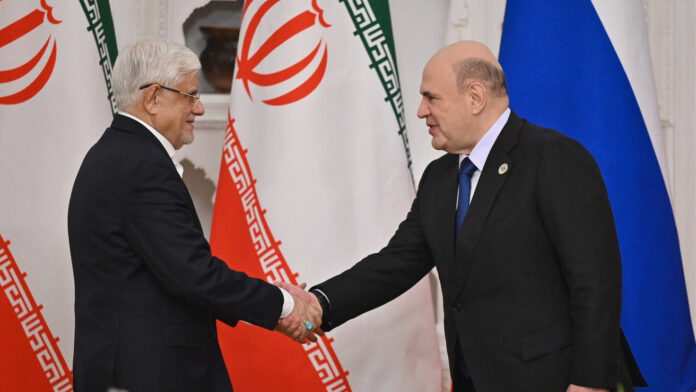
Iran’s Deputy Foreign Minister Kazem Gharibabadi announced on Saturday that Tehran had formally suspended its own compliance with the June Islamabad memorandum of understanding, the agreement that had paused hostilities from June 17 until this month. “The US has violated and suspended all its commitments within the framework of the Islamabad MoU,” Gharibabadi said. Foreign Ministry spokesman Esmaeil Baghaei added that Washington had violated every aspect of the agreement over the preceding week.
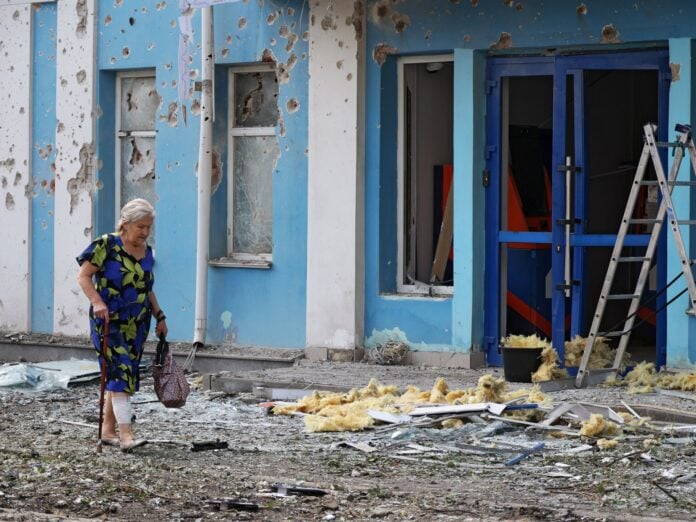
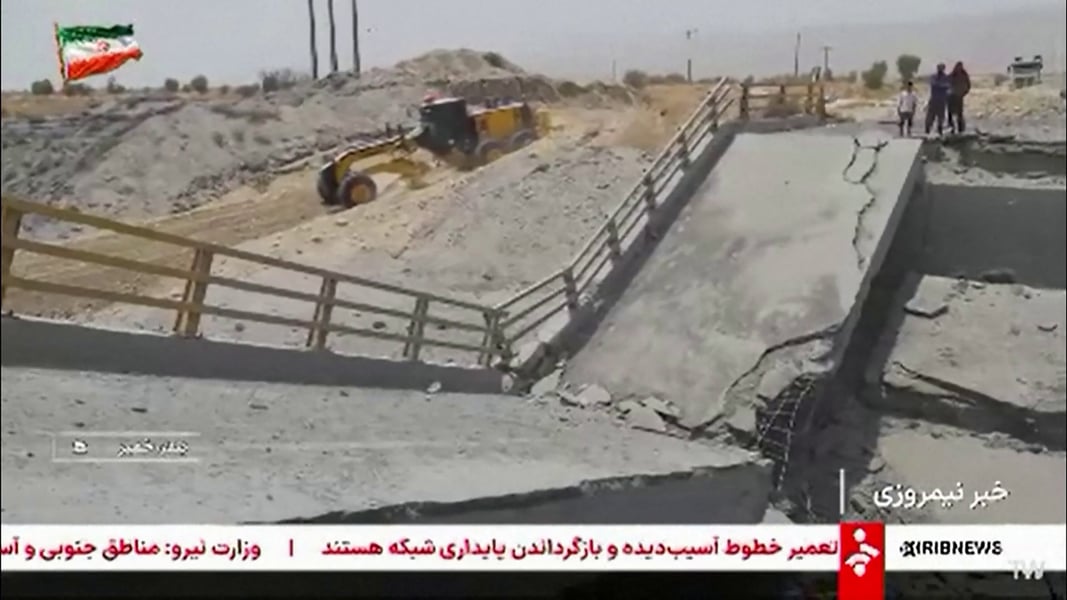
The collapse was mutual in form but sequential in origin. President Trump declared the MoU “over” ten days ago, reimposing naval blockades and oil sanctions on Iran. US Central Command then launched seven consecutive nights of raids on Iranian surveillance infrastructure, weapons storage, and maritime capabilities. The most contested action struck the Bunji desalination plant in Jask in southern Iran, leaving 10,000 residents across 20 villages without water. A bridge in Bandar Khamir County near the Strait of Hormuz was also destroyed.
Iran’s Supreme Leader Mojtaba Khamenei, issuing a statement on Saturday in response to the CENTCOM confirmation, said the deaths of the American service members were a consequence of the US abandonment of the MoU. “It once again proves that the agreements made by Trump lack the required validity,” Khamenei said, a formulation that framed the American casualties as evidence of US policy failure rather than Iranian escalation. The statement did not address whether Tehran intended to continue or intensify the Azraq approach.
The Gulf Cooperation Council condemned the Iranian strikes on Jordan, Kuwait, and Bahrain as “war crimes” and a “highly dangerous escalation,” language directed at an organization whose members host the bases that Iran has been hitting. The GCC statement represented a formal alignment by the Gulf monarchies with Washington’s position, but it also reflected the vulnerability of those same governments: Bahrain, Kuwait, and now Jordan have come under direct Iranian fire while their own populations continue to register the costs of the Gaza genocide.
Jordan’s position in this conflict has always required calibration that other US host nations have not faced to the same degree. The kingdom shares no border with Iran and has no direct stake in the nuclear dispute that animated the original conflict. US diplomatic contacts with Iran continued even through the third day of Gulf strikes in early July, and Jordan’s government supported those contacts. The presence of US forces on Jordanian soil, always a source of internal political tension in a country with a Palestinian majority that watches Gaza closely, now carries a cost that extends to military casualties among the host nation’s US guests.
Iran’s stated rationale for striking Jordan, Kuwait, and Bahrain is that US military infrastructure in those countries constitutes an operational backbone enabling Israeli attacks on Gaza and the US air campaign against Iran itself. Under that framing, the Azraq base is not a neutral host but an active node in the network that the IRGC is targeting. Whether that framing finds any traction at the United Nations or in European capitals, which have so far avoided endorsing either side’s justifications, remained unclear Saturday.
The scale of casualties on both sides remains asymmetric in ways that will shape any diplomatic return. Iran’s health ministry has reported at least 50 killed and more than 500 wounded from US strikes since July 6. The two American deaths, the first in the conflict, do not close that gap but they introduce a variable that was not present before: American servicemen are now coming home dead. Washington’s buildup of air power in the region, which included dozens of refueling tankers sent to Israeli airports in the days before Thursday’s strikes, was designed in part to signal deterrence. The Azraq attack suggests Iran read the buildup differently.
The service members whose names CENTCOM has not released did not author the decisions that led them to Azraq. Whether their deaths harden the administration’s position toward a wider campaign against Iranian infrastructure – power plants and underground nuclear sites have been under active consideration, according to reporting this week – or whether they create pressure to return to some form of negotiated pause, is not something a Saturday morning statement from Central Command was going to answer. Both trajectories remain open. What closed on Thursday night was the possibility of describing this conflict as one without American dead.