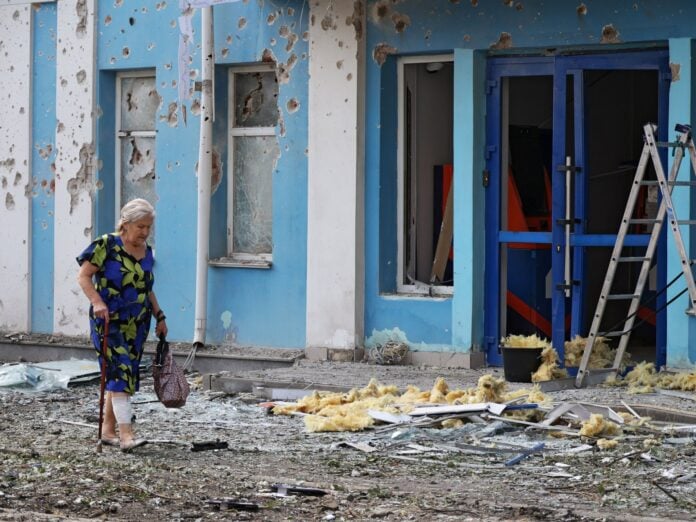

KUWAIT CITY – The ceasefire that Donald Trump personally signed at Bürgenstock lasted forty-four days. By Wednesday night, the Islamic Revolutionary Guard Corps had launched what it said were approximately 85 strikes against United States military installations across Bahrain and Kuwait, and threatened to expand them further if American operations did not stop.
The IRGC’s announcement described the attacks as direct retaliation for what Iranian officials characterized as the United States’ resumption of military operations against Iran. The Guards said the strikes targeted “key infrastructure” at US bases in both Gulf states, though independent verification of damage claims was not immediately possible. Iranian military commanders warned publicly that the strikes would be expanded if Washington did not halt its operations.
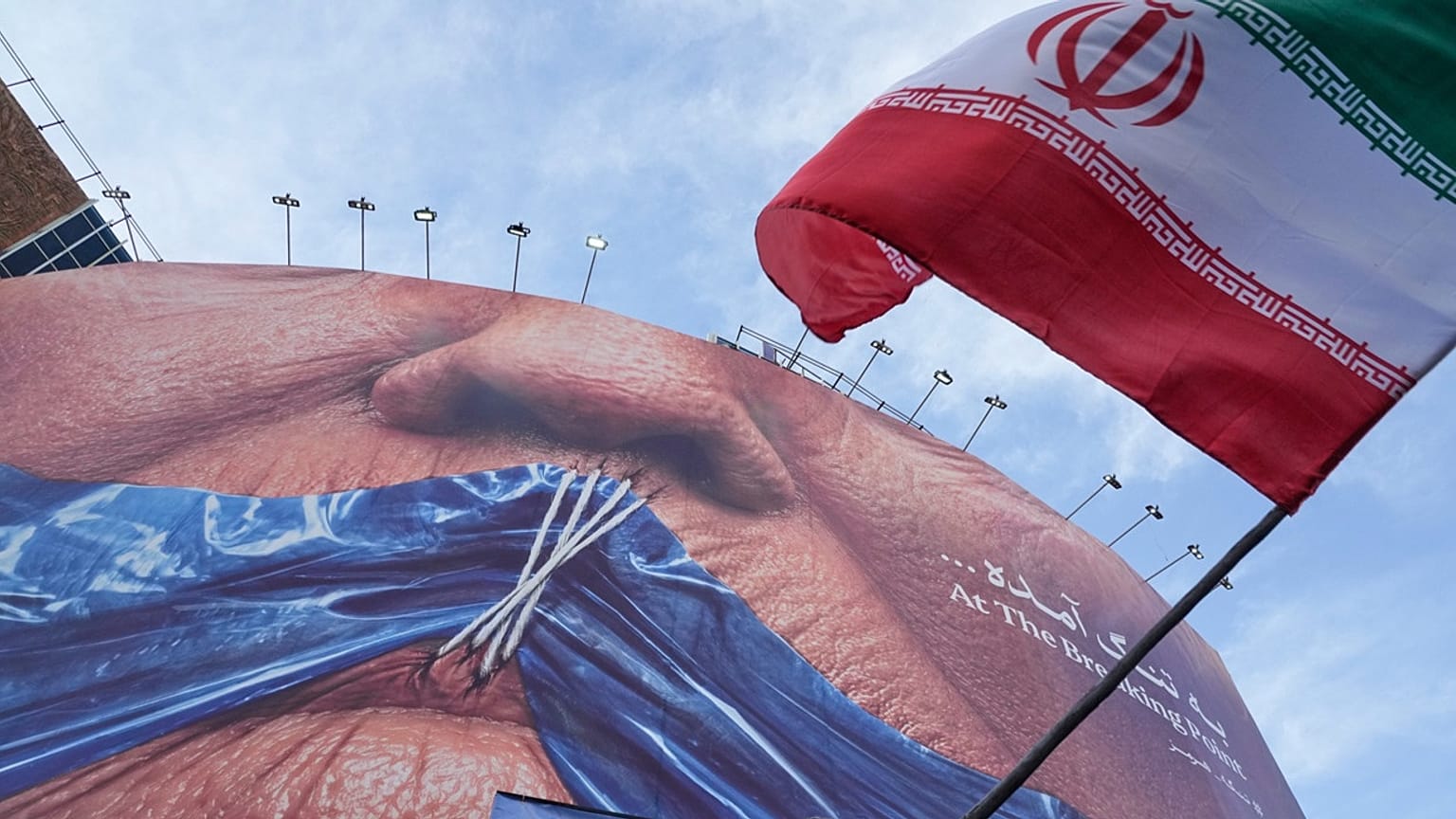
The collapse of the Bürgenstock framework came with particular force on Thursday. US forces struck the Tehran-Mashhad railway corridor on the same day Iran buried Supreme Leader Ali Khamenei at the Shrine of Imam Reza, with an estimated 15 million mourners in Mashhad. The rail disruption, timed to the Supreme Leader’s funeral, became a focal point of Iran’s characterization of the ceasefire’s collapse as a deliberate American choice rather than a contingent breakdown.
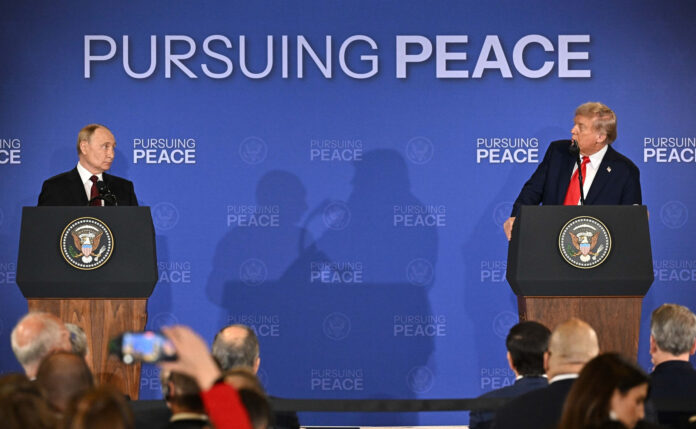
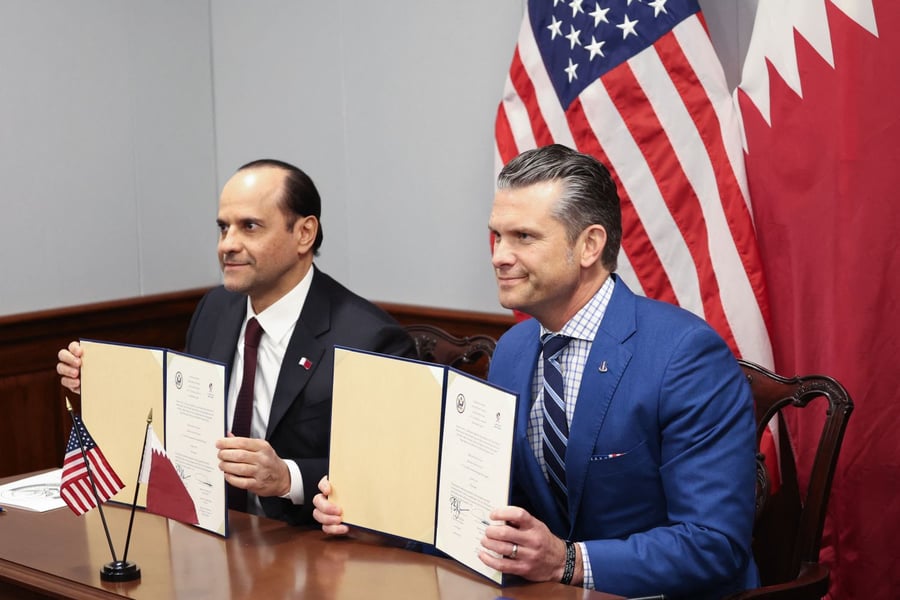
The memorandum signed in Switzerland had been, by Vance’s own description at the time, “about a page and a half – a very general document.” The US Vice President and Iranian Parliament Speaker Mohammad Bagher Ghalibaf signed the agreement at Bürgenstock on June 26, opening a 60-day window for nuclear, sanctions, and regional security negotiations that neither side had resolved. Its brevity was not a minor footnote; it was the structural condition of everything that followed. That window is now closed.
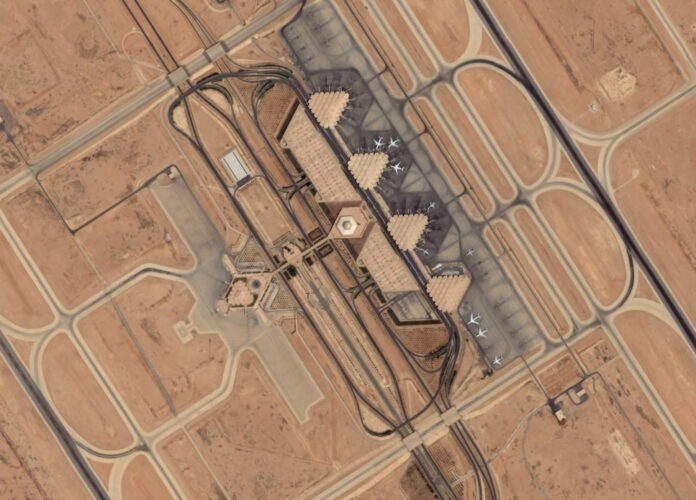
The strikes on Bahrain and Kuwait extend the Iran-US confrontation into Gulf states that had maintained studied neutrality through the February-June phase of the conflict. Bahrain hosts the US Navy’s Fifth Fleet at Naval Support Activity Bahrain, the command center for American naval operations across the Gulf region. Kuwait hosts US forces at several installations, including Ali Al Salem Air Base, a hub for American logistics operations since the 1990s. Iranian strikes on both carry implications for Gulf Cooperation Council unity that go beyond the Iran-US bilateral.
Neither Bahrain nor Kuwait had formally sided with the United States in the Iran conflict. Gulf states, including Saudi Arabia and the United Arab Emirates, had worked through the same Pakistani and Qatari mediation channels that produced the Bürgenstock framework. The IRGC’s decision to strike their territory now makes that studied neutrality significantly harder to maintain. Riyadh and Abu Dhabi had not yet publicly characterized the attacks as of the time of writing.
For the Trump administration, the political logic of ending the Bürgenstock framework is not publicly legible. The ceasefire, brokered through the Qatar and Pakistan channels that Trump had publicly praised, had reopened the Strait of Hormuz, reduced oil prices, and given Washington a visible diplomatic win. Its collapse returns the administration to a confrontation it had defined as ended, in a region where Gulf allies now face Iranian strikes on their territory.
The 60-day negotiation window the memorandum created was designed to address what Vance called the “hardest questions”: Iran’s uranium enrichment, the architecture of sanctions, the role of regional proxies. None of those questions were answered before the window closed. The Times of Israel reported that the IRGC explicitly framed the Bahrain and Kuwait operations as a signal that Iran’s self-imposed ceasefire constraints had expired alongside the ceasefire itself.
What the IRGC’s announcement makes clear is that Iran understands the collapse as deliberate rather than inadvertent. The strikes on US bases in Bahrain and Kuwait, and the explicit threat to expand them, are a message: if the ceasefire’s terms are dead, the limits those terms placed on Iranian escalation are also dead. The Islamic Republic, which has been in open military confrontation with the United States since February 28 and buried its Supreme Leader last Thursday under American bombardment, is not sending signals it intends to de-escalate unilaterally.
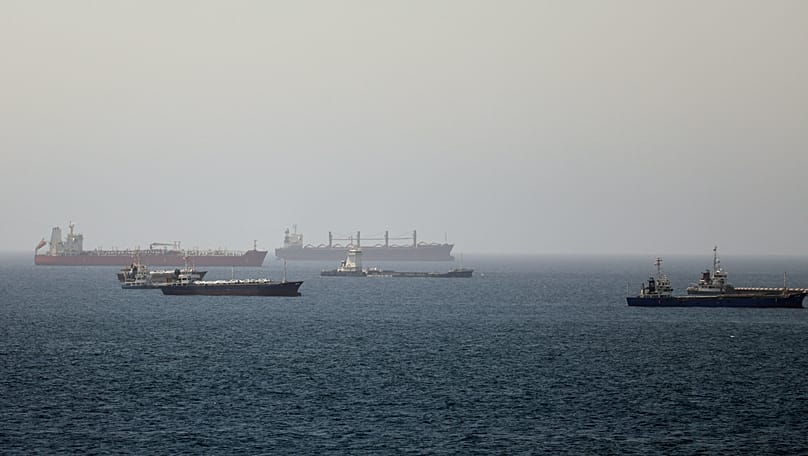
What is not known is whether the escalation ladder has further rungs and who intends to climb them. The Strait of Hormuz, which the Bürgenstock memorandum reopened and which American forces now operate in again without ceasefire constraints, carries roughly a fifth of globally traded oil. Iran’s operation in Bahrain and Kuwait has answered one question about how it will respond to ceasefire collapse. It has not answered whether the Strait will remain open, whether Gulf states will move from neutrality to active alignment, or whether the 60-day negotiation window can be reconstructed from the wreckage of the one that just ended.