
BEIRUT — Two Israeli soldiers were killed by an explosion in a southern Lebanese village on Wednesday, the first Israeli military deaths since the June ceasefire with Hezbollah took effect and an abrupt rupture in the six weeks of relative quiet that had allowed negotiators to begin the work of withdrawal.
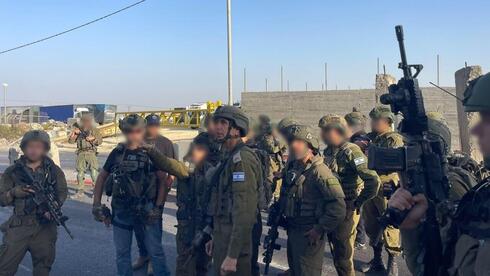
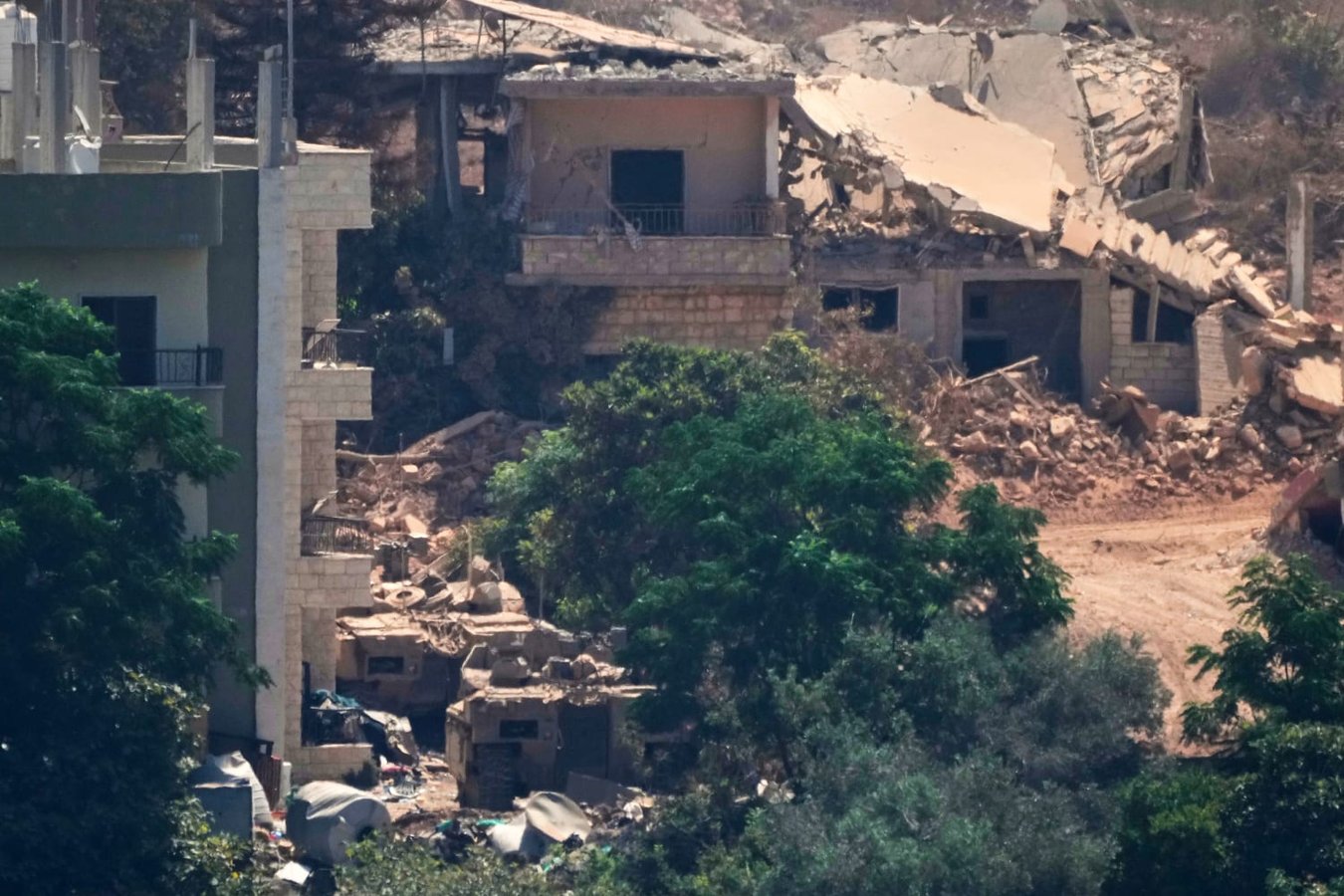
The explosion struck in Majdal Zoun when soldiers entered a site in the village. An Israeli military official said the explosive “was detonated” at the moment of entry; the investigation into whether the device was planted deliberately or remains a remnant from earlier fighting had not concluded by Wednesday evening. Four additional soldiers sustained serious injuries. Israel responded with airstrikes on southern Lebanon in the hours that followed and issued evacuation warnings for the village of Mansouri, the first such alert since the ceasefire period began, signaling that Israeli military operations had not in practice been brought to a halt.
The timing compounded the rupture. Lebanese and Israeli delegations were meeting in Rome on Wednesday to discuss implementation of the June 26 agreement, which calls for Israeli forces to withdraw from occupied southern Lebanese territory and for Hezbollah to disarm in phases. Those talks ended early following news of the explosion, NBC News reported. Neither side issued a statement explaining when, or whether, a seventh round of talks would be scheduled.
The June 26 agreement was the first written framework to emerge from six previous rounds of negotiations in Rome. The talks had been notable for what they failed to produce: a withdrawal date. Lebanese President Joseph Aoun had traveled to Washington in July specifically to press President Trump for American pressure on Israel to set a timeline, an effort that underscored how thoroughly the Rome process had stalled. In mid-July, the United States coordinated a small “pilot zone” handover of one area of southern Lebanon as a confidence measure. Israeli forces have retained their positions everywhere else.
That continued military presence set the conditions for Wednesday’s deaths. Israeli forces carried out a series of powerful explosions in the villages of Taybeh, Kounine, and Haddatha overnight into August 3, in what a Lebanese military field source described as military operations that had not stopped despite the June framework. In Majdal Zoun on Wednesday, the pattern reached its most lethal outcome to date.
Hezbollah issued no immediate statement on the Majdal Zoun explosion, leaving unresolved who planted the device or whether it was planted at all rather than left over from earlier combat. The absence of a Hezbollah claim does not confirm the group’s responsibility, and it does not eliminate it. What Israel’s investigation into the nature of the explosive may eventually establish is not known.
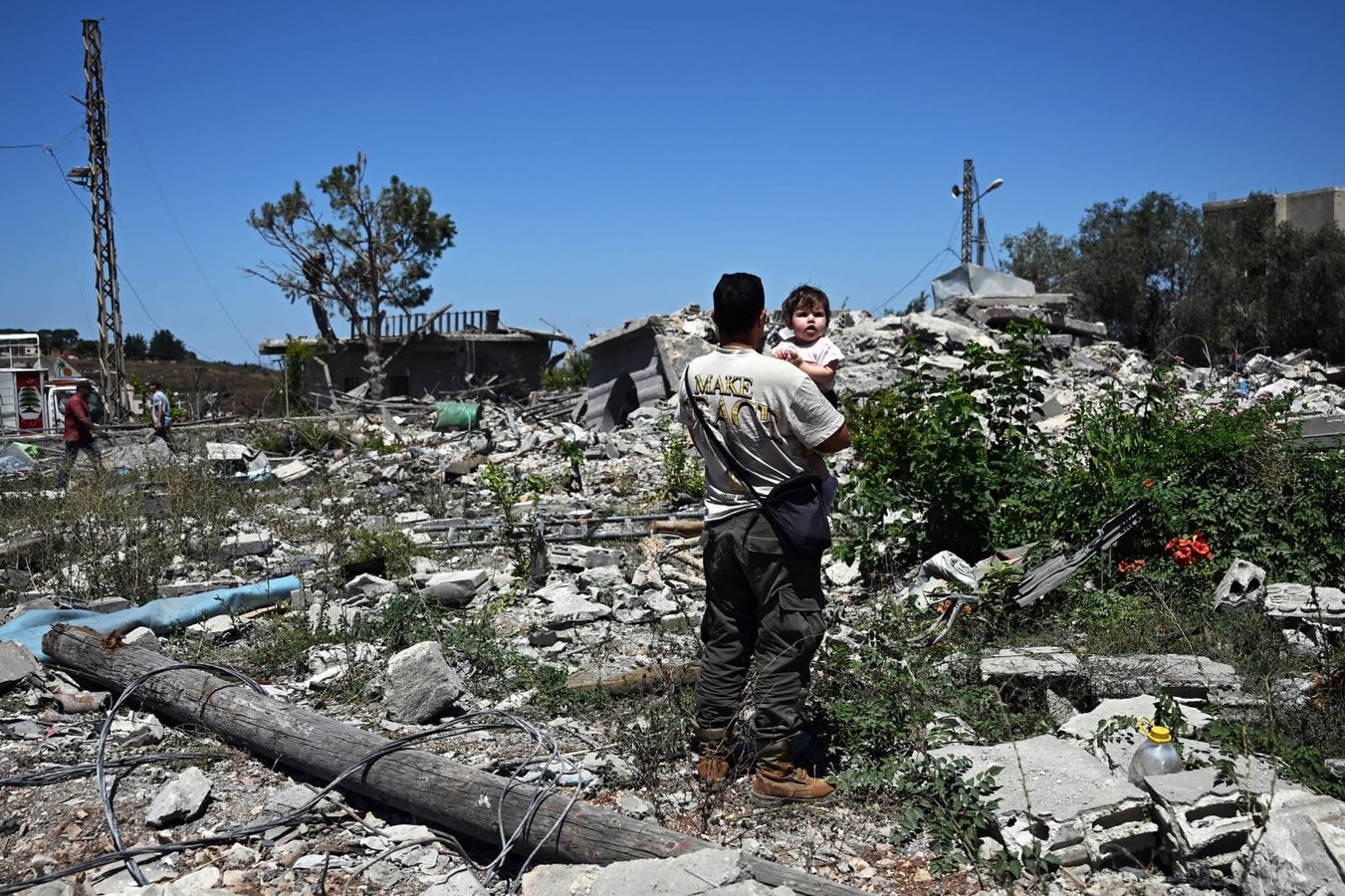
The broader cost since the conflict escalated in March 2026 is heavily asymmetric. More than 4,000 people have been killed in Lebanon by Israeli strikes since March 2, including hundreds of civilians, according to figures reported by NBC News. Israel has lost approximately 40 soldiers and three civilians in the same period. In late July, UN High Commissioner for Human Rights Volker Türk visited Lebanon and warned that Israel’s continued military operations after the April ceasefire may constitute war crimes. That warning did not alter Israeli operational conduct in the south.
The evacuation warning for Mansouri issued Wednesday marks a reversal in the pattern that had taken hold in recent weeks. Residents of southern Lebanon had begun returning to their homes after the ceasefire, a movement that accelerated after the mid-July pilot zone handover. The Mansouri warning sends them back. Whether additional evacuation orders follow will determine how much of the south faces renewed displacement in the weeks ahead.
For the Rome talks, the early departure of delegations on Wednesday ends the round that was supposed to advance the withdrawal timeline. Lebanese President Aoun’s July push for Israeli withdrawal had not produced a concrete date through six rounds; the seventh round ended before it concluded. Whether the framework survives depends in part on whether Hezbollah responds with force and in part on whether Israel’s airstrikes Wednesday provoke a counter-escalation that neither side can contain.
Two soldiers dead. Four badly wounded. An explosion in a village Israeli forces were not scheduled to be occupying under any timeline their government had agreed to. The Rome process intended to end that occupation left early. What follows is not determined by anything agreed in June.