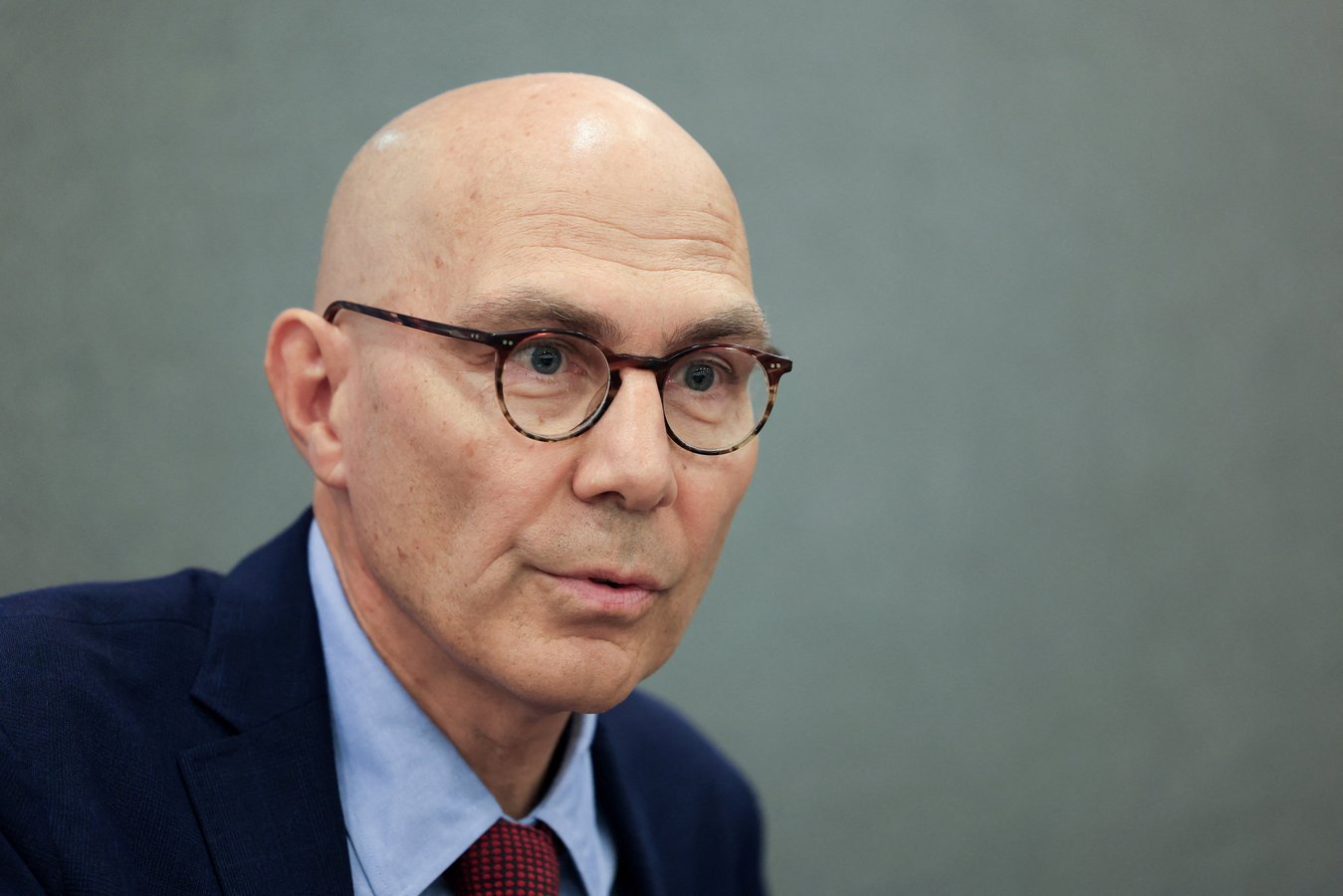

BEIRUT – The school in southern Lebanon had been converted into a shelter, and by the time Volker Türk arrived on Sunday, around a thousand displaced residents were living inside it. Some had been forced from their villages once since the April ceasefire. Others had fled and returned and been forced to flee again. The United Nations High Commissioner for Human Rights walked among them and listened.
“The trauma, frustration and despair are palpable,” Türk said afterward, “but so too is the demand for justice.” Al Jazeera reported that his visit to Lebanon on July 27 produced a warning beyond diplomatic language: Israeli military operations continuing after the April ceasefire may be amounting to war crimes, and no one, he said, is above international law.
The ceasefire reached in April 2026 was presented as a turning point after months of devastating conflict between Israel and Hezbollah. By the time it was signed, Israel’s bombing campaign pushed Lebanon’s death toll past 3,100, with hundreds of thousands driven from their villages across the south. The agreement promised an end to hostilities. It did not produce one.
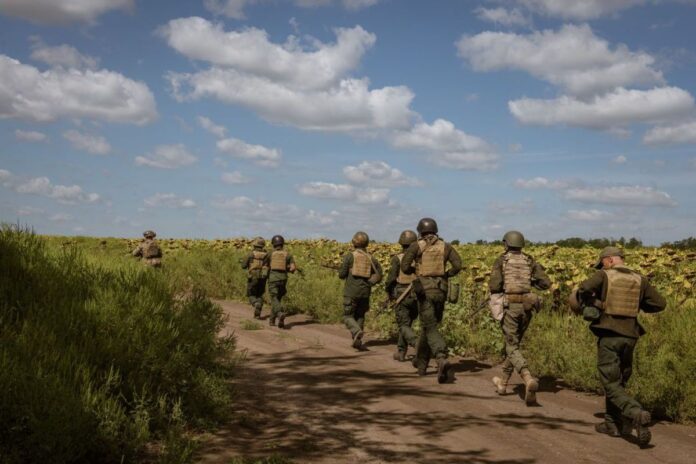
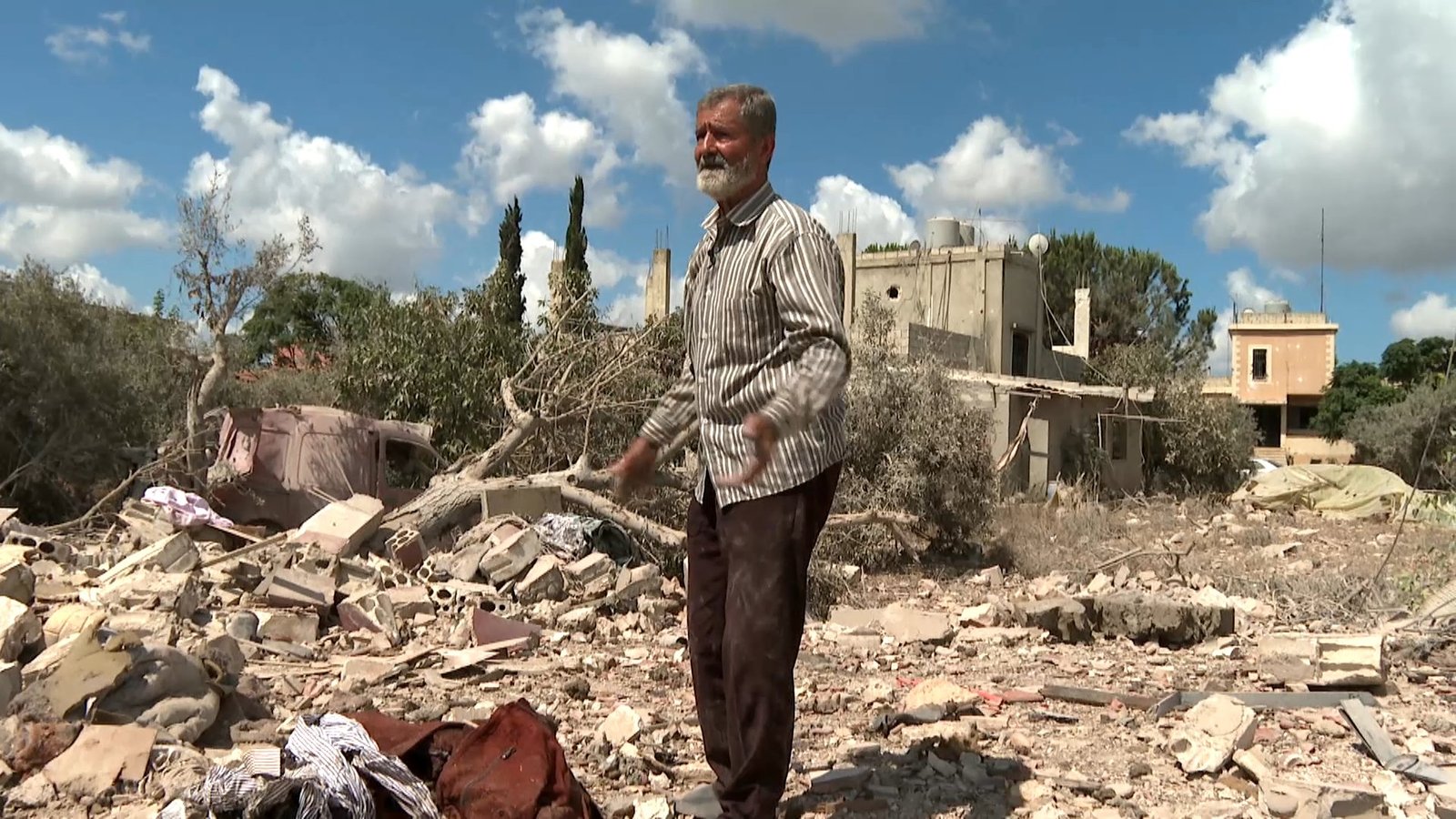
Israeli forces have remained in southern Lebanese territory in the months since the agreement was signed. Katz declared the IDF would stay in Lebanon indefinitely, a position the government in Jerusalem has not retreated from despite sustained diplomatic pressure. By the time Türk arrived, Israel controls 68 villages in southern Lebanon, a de facto occupation that has blocked most of the displaced from returning to their land, their livestock, and what remains of their homes.
The legal weight of Türk’s language was deliberate. Under international humanitarian law, the continued bombardment of civilian areas and the prevention of civilian return following a ceasefire can cross the threshold from military operations into war crimes. Türk stopped short of a formal determination, which would require fuller investigation, but said his office is documenting specific incidents and patterns of conduct.
IDF killed an armed individual in Lebanon’s security zone as recently as this month, an episode that illustrated both the ongoing nature of Israeli operations and the ambiguous conditions on the ground. Hezbollah’s continued presence in the south, and Israel’s designation of Lebanon’s security zone as an active operational area, have provided Israeli authorities justification for continuing military activities. Whether that justification holds under international law is precisely what Türk’s office is examining.
“Nobody is above international law and there are no exceptions to it,” Türk said, words directed at no country by name but understood immediately in context. His visit came in the wake of weeks in which Israeli strikes killed 39 in Lebanon during a single escalation before the ceasefire was finalized, strikes that Lebanese officials have argued were disproportionate under the laws of armed conflict.
Lebanon’s new government, formed after years of political paralysis, has made Israeli withdrawal a precondition for normalizing relations and deploying Lebanese army forces to the south as the ceasefire framework envisioned. Those negotiations have not advanced meaningfully. The United States, the external actor with the most direct leverage over Israeli conduct, has focused its regional diplomatic energy primarily on the Gaza file and the evolving situation with Iran.
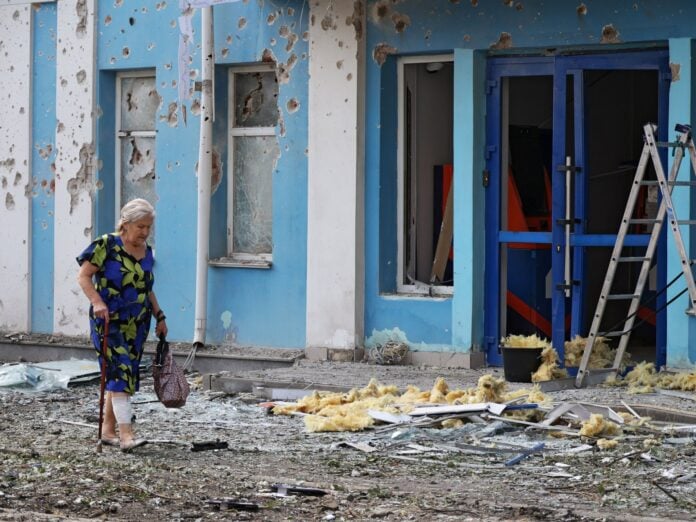
The consequences for ordinary Lebanese civilians have been severe. Beyond the death toll and physical destruction, the prolonged displacement has produced what aid workers describe as a compounded humanitarian crisis. Agricultural land in the south sits unworked. Fishing communities along the coast remain unable to operate normally. The informal economy that sustained thousands of villages has collapsed, with no reconstruction support in sight as long as the underlying political situation remains unresolved.
Türk acknowledged that international accountability mechanisms have moved slowly. The UN Human Rights Office has referred its Lebanon documentation to broader UN accountability processes, but the Security Council, where the United States holds veto power, has not acted. A formal referral to the International Criminal Court, which has issued an arrest warrant for Israeli Prime Minister Benjamin Netanyahu over the Gaza genocide, would require separate political will not yet visible on the Council.
Israel has consistently rejected characterizations of its military conduct as unlawful, arguing that its operations target Hezbollah positions and that the militant group’s use of civilian infrastructure is the primary driver of civilian harm. That argument has found receptive audiences in some Western capitals, though the scale of destruction documented across Lebanon, from schools to hospitals to residential neighborhoods, has strained its credibility among international legal observers.
What the visit accomplished is harder to measure in immediate terms. Türk is not a prosecutor, and his warnings carry moral rather than legal force in real time. But the documentation his office produces feeds into the broader accountability architecture, and Israeli officials are aware that the evidentiary record from Lebanon, like that from Gaza, is being assembled with care.
For the residents of the school-turned-shelter, those institutional processes are distant from their lived reality. What they want is what they have wanted for months: to go home. Many cannot. Türk, after listening to their accounts, said he was “struck by the widespread damage and compounded suffering” he encountered. The question of when they will be allowed to return remains unanswered as the ceasefire enters its fourth month without resolution.