The death toll from Israel’s expanding military campaign against Lebanon has surged to 3,123 people, while 9,506 others have been wounded since March 2, according to Lebanon’s Health Ministry, underscoring the scale of destruction inflicted on the country after weeks of sustained bombardment.
In a statement released Saturday, Lebanese health authorities said the casualties were recorded across southern Lebanon, eastern regions, and Beirut’s southern suburbs, areas that have endured near-daily Israeli air raids, artillery shelling, and drone attacks.
“The total number of victims of the aggression from March 2 to May 23 reached 3,123 dead and 9,506 wounded,” the ministry said, describing the attacks as one of the deadliest military escalations Lebanon has faced in decades.
The latest escalation came as Israeli airstrikes reportedly targeted at least 15 towns and localities across southern Lebanon on Saturday alone. Lebanon’s National News Agency said heavy bombardments hit areas surrounding Nabatieh, Tyre, and several border villages, with Israeli drones and fighter jets remaining active throughout the day.
The Lebanese army also confirmed that one soldier was injured after an Israeli strike hit an army barracks in the city of Nabatieh, further fueling concerns that the conflict is increasingly expanding beyond Hezbollah-linked positions and directly affecting state institutions.
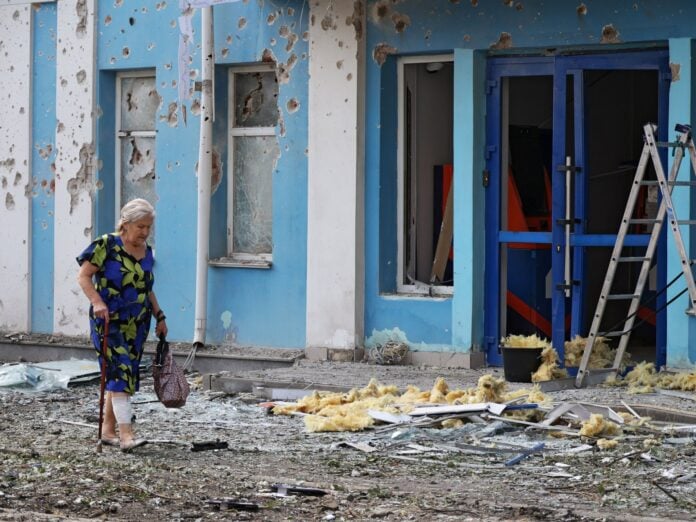
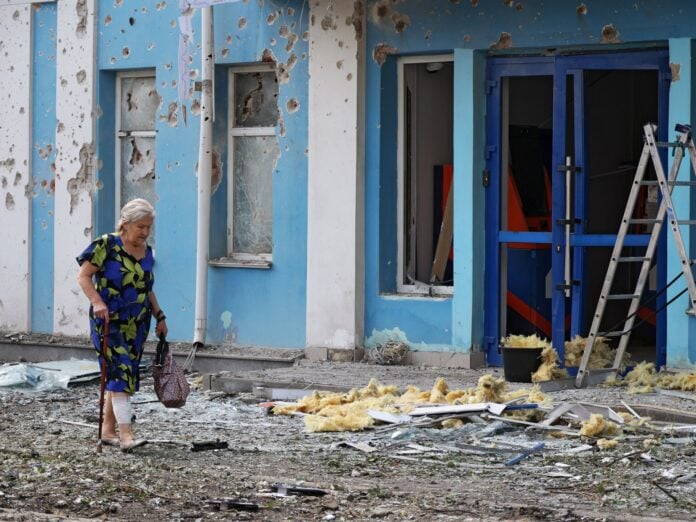
Residents in southern Lebanon described scenes of devastation as emergency crews struggled to reach bombed neighborhoods amid continuing Israeli overflights. Videos circulating on Lebanese media showed destroyed buildings, burning vehicles, and large plumes of smoke rising from densely populated districts.
The latest attacks have intensified fears that Israel’s military operations are moving deeper into civilian areas despite repeated international warnings over the humanitarian consequences of the conflict. Aid agencies operating in Lebanon say entire communities have been displaced while hospitals and emergency services are operating under severe pressure.
According to Reuters, some of the deadliest strikes targeted residential zones where women and children were among the victims. Lebanese officials accused Israel of repeatedly striking civilian infrastructure, including roads, medical facilities, and rescue teams.
The conflict sharply escalated after regional tensions involving Iran, Israel, Hezbollah, and US military deployments reignited hostilities earlier this year. Since then, cross-border confrontations have transformed into a broader and more destructive war across southern Lebanon.
Despite multiple diplomatic efforts led by Western and regional mediators, ceasefire attempts have repeatedly collapsed. Lebanese political leaders have accused Israel of violating international law and ignoring agreements aimed at reducing hostilities along the border.
Meanwhile, Hezbollah fighters have continued launching retaliatory rocket and drone attacks toward northern Israel, saying their operations are linked to Israel’s ongoing military actions in Gaza and Lebanon. Israeli officials insist their campaign is aimed at dismantling Hezbollah’s military infrastructure near the border.
However, humanitarian organizations and regional observers warn that the mounting civilian casualties risk triggering a broader regional crisis. According to Lebanese authorities, more than one million people have been displaced internally since the renewed fighting erupted, creating one of the largest humanitarian emergencies in the country since the 2006 war.
The destruction has also deepened Lebanon’s already severe economic collapse. Large parts of southern Lebanon remain without stable electricity, healthcare access, or functioning infrastructure as repeated Israeli strikes continue damaging roads, telecommunications facilities, and residential districts.
International pressure on Israel has grown in recent weeks as footage from southern Lebanon and Beirut’s suburbs spread across global media platforms. Several rights groups have called for independent investigations into attacks that allegedly struck civilians and emergency workers.
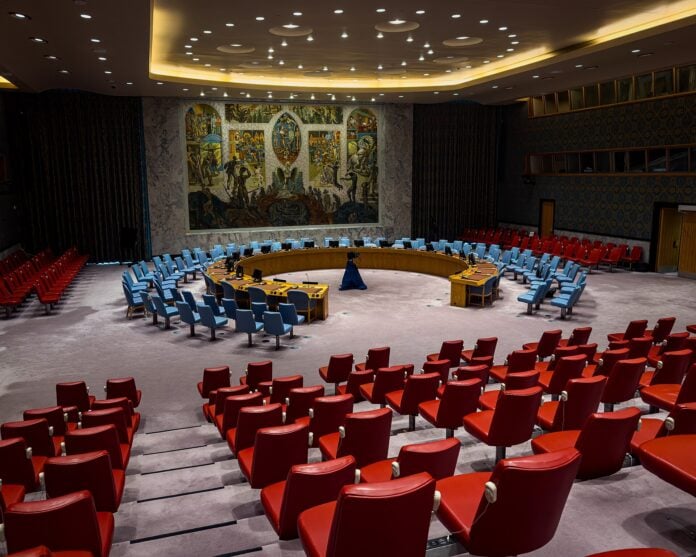
The latest figures released by Lebanon’s Health Ministry are expected to intensify diplomatic tensions at the United Nations, where Lebanese officials have repeatedly demanded stronger action against Israeli military operations inside Lebanese territory.
As air raid sirens and explosions continue across southern Lebanon, many residents fear the violence is entering a prolonged and deadlier phase with little sign that fragile ceasefire negotiations can halt the escalation anytime soon.
—Inputs from Sputnik.