
Israel now controls 68 villages in southern Lebanon, according to Lebanese Prime Minister Nawaf Salam, marking one of the most serious territorial escalations since the 2006 Lebanon war and raising fears that the conflict along the Israeli-Lebanese frontier is entering a prolonged occupation phase.
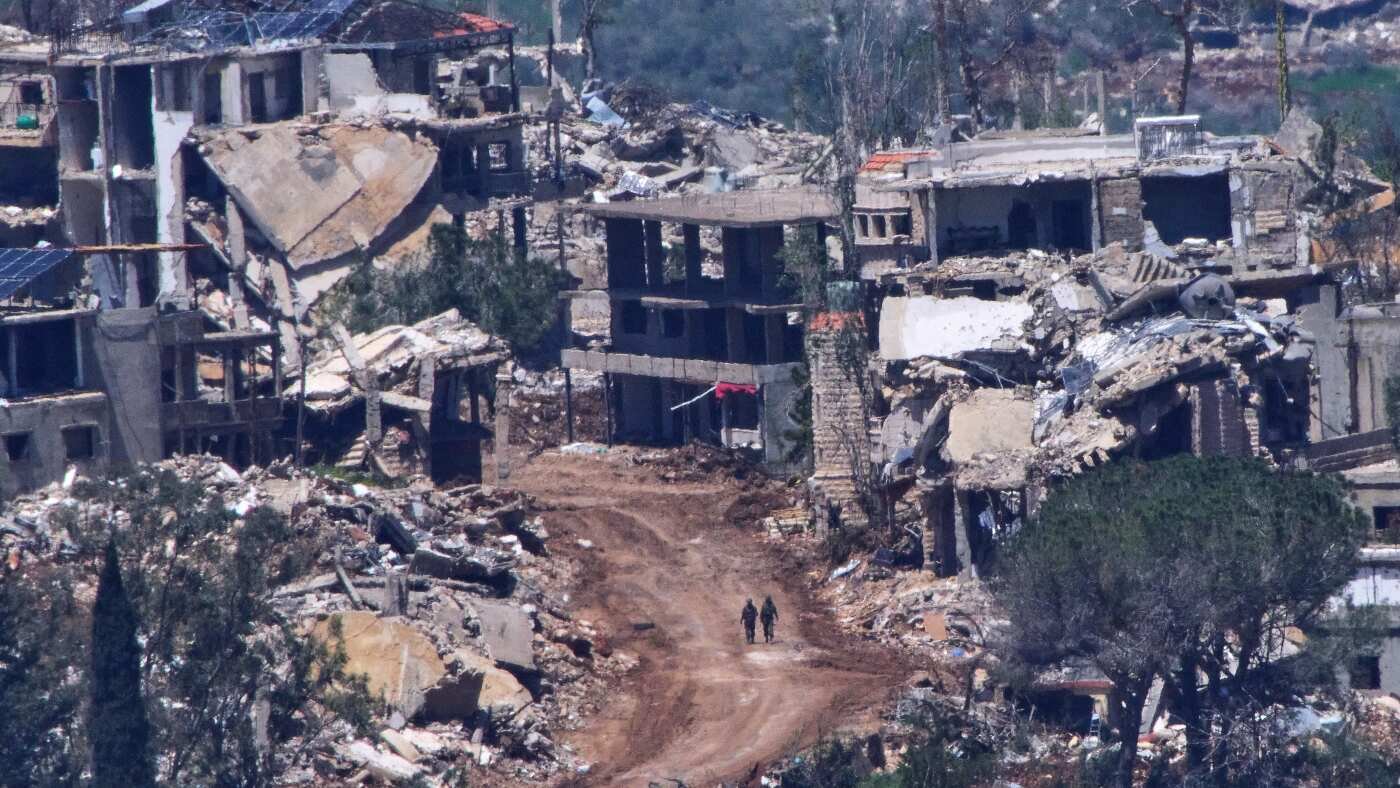
Speaking during a televised interview this week, Salam said Israeli military forces had dramatically widened their presence south of the Litani River, transforming what Beirut once described as limited military positions into broad territorial control stretching across dozens of communities. The Lebanese leader warned that entire areas near the border have been devastated by Israeli bombardment, bulldozing operations, and mass evacuations, drawing comparisons to the destruction witnessed in Gaza.
The accusation lands at a highly volatile moment in the Middle East, where tensions involving Israel, Hezbollah, Iran, and the US continue to intensify despite repeated diplomatic attempts to impose a ceasefire. Lebanese officials now fear that Israel is establishing a de facto expanding buffer zone in Lebanon, potentially reshaping the military and political balance along the northern border for years.
According to Salam, Israeli territorial control has expanded from five previously occupied points to 68 villages spread across southern Lebanon. He argued that Israel’s military operations have moved beyond tactical security objectives and entered the realm of sustained territorial domination. Lebanese officials say the affected villages have experienced widespread destruction of homes, roads, agricultural land, water systems, and civilian infrastructure.
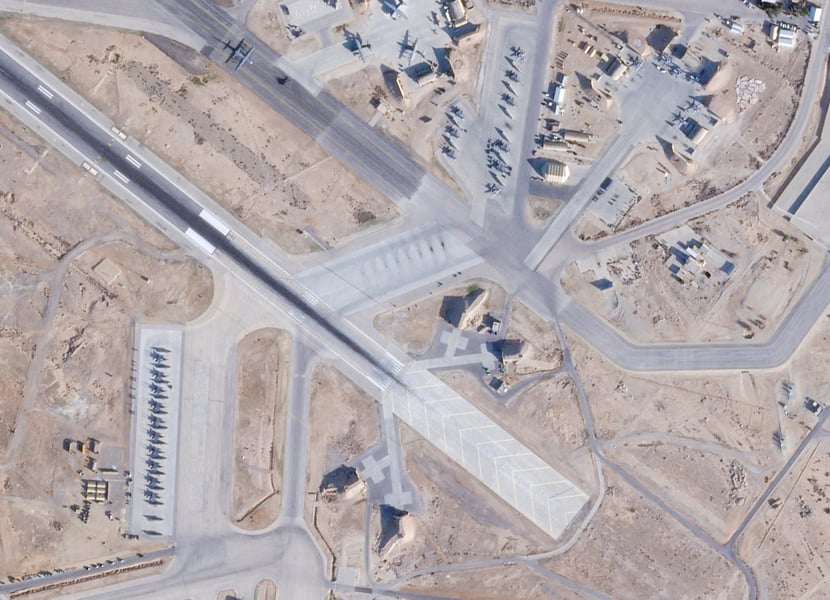
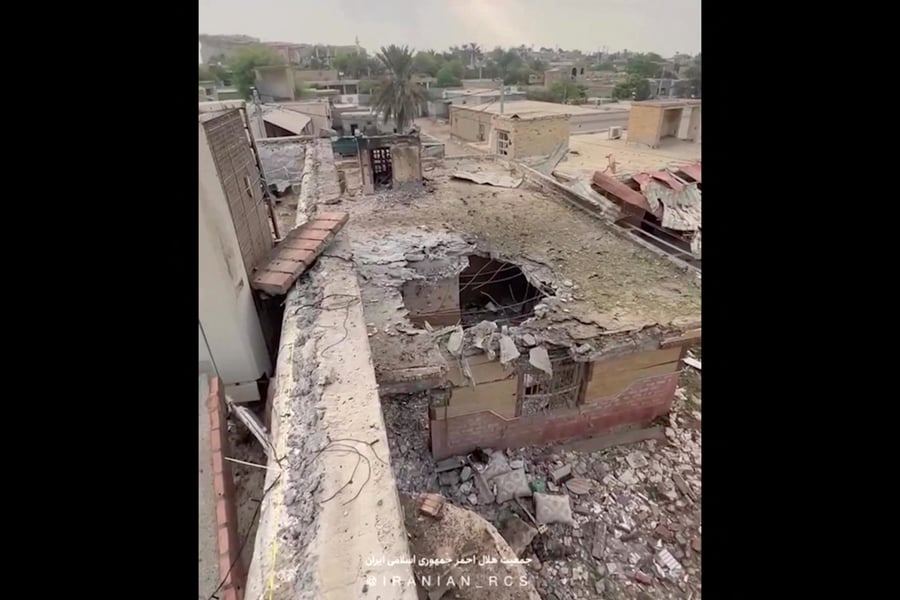
Satellite imagery, field reports, and investigations published by international media outlets in recent weeks have documented destruction across southern Lebanon. Entire residential districts appear flattened in some towns, while videos circulating online show heavy machinery demolishing structures near the frontier.
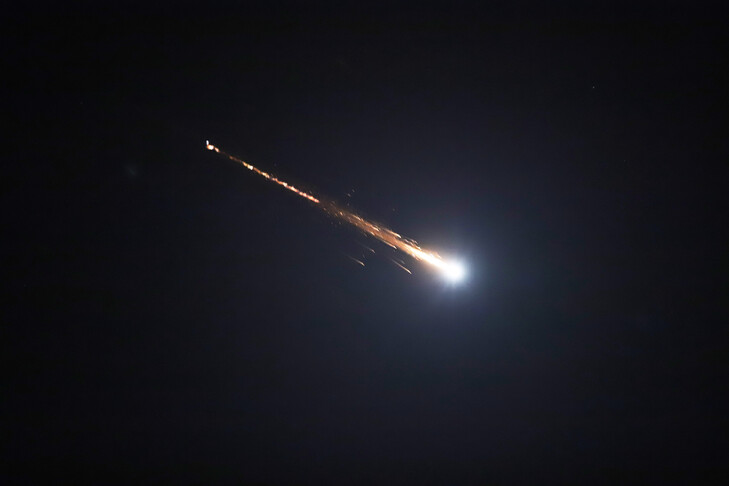
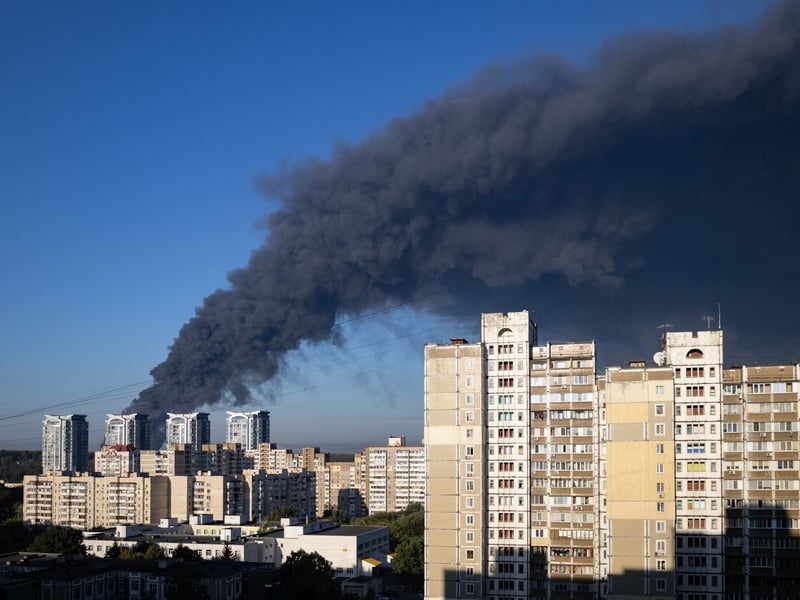
The scale of Israeli airstrikes across southern Lebanon has intensified dramatically over recent weeks, with multiple Lebanese towns suffering repeated bombardment and rising civilian casualties.
Israeli officials insist the operations are necessary to prevent Hezbollah from rebuilding military infrastructure near the border after months of rocket attacks and drone strikes targeting northern Israel. Since the eruption of wider regional tensions linked to the Gaza war and Iranian-Israeli confrontation, Hezbollah and Israel have exchanged near-daily fire across the border, pushing the region closer to all-out war.
The Israeli military has repeatedly issued evacuation warnings in Lebanese towns while conducting airstrikes against what it describes as Hezbollah weapons depots, launch positions, and command infrastructure.
Israel’s Defense Minister Israel Katz previously vowed to destroy homes near the Lebanon border, promising the destruction of structures near the frontier to create a permanent security zone.
That statement alarmed Lebanese authorities and humanitarian organizations, who say the scale of destruction already resembles collective punishment. Rights groups monitoring the conflict have raised concerns over the destruction of civilian property and the displacement of noncombatants.
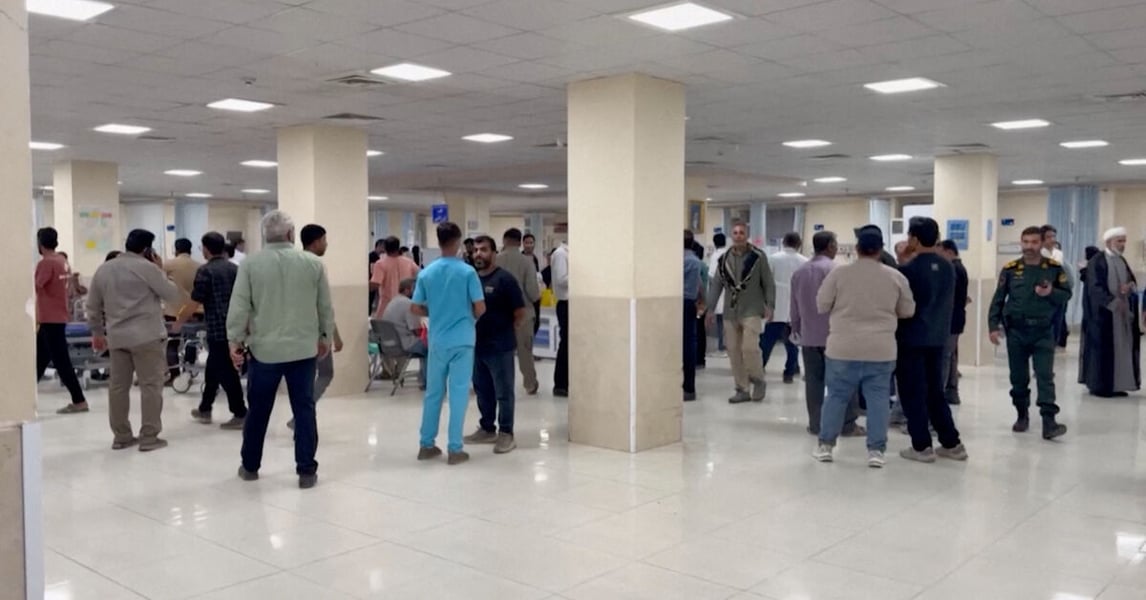
More than one million Lebanese civilians have reportedly been forced from their homes during the latest phase of fighting, while thousands have been killed or injured since hostilities escalated earlier this year. The humanitarian crisis deepened further after Israel bombs Lebanese towns across the south in sustained aerial assaults.
The conflict has also deepened Lebanon’s already catastrophic economic crisis. Southern Lebanon’s agricultural sector, long a lifeline for border communities, has suffered severe losses due to bombardment, fires, and restricted access to farmland. Roads linking villages to major cities have been damaged or rendered inaccessible, further isolating displaced populations.
Salam accused Israel of attempting to impose a new geopolitical reality in southern Lebanon under the cover of counterterrorism operations. He argued that Lebanon had effectively become entangled in a broader confrontation involving Iran, Israel, and the US, despite Beirut’s efforts to avoid full-scale regional war.
The comments reflect growing frustration inside Lebanon over Washington’s role in the crisis. While the US has publicly pushed for restraint and sponsored negotiations between Lebanese and Israeli officials, many Lebanese political factions believe Washington continues to provide Israel with diplomatic and military backing despite mounting civilian casualties.
American diplomats have recently hosted ceasefire talks between Lebanon and Israel aimed at preserving a fragile truce arrangement. According to US officials, discussions have focused on stabilizing the border, reducing Hezbollah military activity near the frontier, and preventing wider regional escalation.
However, the situation on the ground continues deteriorating as fighting with Hezbollah intensifies across southern Lebanon.
Analysts say Israel’s expanding military footprint in southern Lebanon risks reviving memories of the country’s former occupation zone maintained from 1985 until 2000. During that period, Israel controlled a “security belt” in southern Lebanon through direct military deployment and allied militias, a strategy that fueled prolonged insurgency and eventually strengthened Hezbollah politically and militarily.
The latest escalation has already triggered fears of a broader regional confrontation after the recent ceasefire collapse between Israel and Hezbollah.
Today’s conflict carries even greater regional implications. Hezbollah possesses a far larger missile arsenal than during the 2006 war, while Israel has demonstrated significantly expanded aerial and surveillance capabilities. The involvement of Iran-backed regional groups and growing US military deployments across the Middle East have increased fears that any miscalculation could ignite a broader regional war.
Within Lebanon, the political fallout is also intensifying. Many Lebanese citizens blame Hezbollah for dragging the country into confrontation with Israel, while Hezbollah supporters argue resistance against Israeli military operations remains necessary to defend Lebanese sovereignty.
The divisions threaten to deepen Lebanon’s fragile political paralysis at a moment when the country faces economic collapse, banking dysfunction, and a humanitarian emergency. Lebanese leaders have increasingly condemned Israel’s attacks on Lebanon as destabilizing the entire region.
International organizations have meanwhile warned that southern Lebanon may face years of reconstruction if the destruction continues at the current pace. Several villages near the border have reportedly become uninhabitable due to extensive damage and unexploded ordnance left behind after airstrikes.
Concerns have also mounted over attacks involving UN peacekeepers in Lebanon, further escalating international criticism surrounding the conflict.
Human rights observers have also questioned whether the recent attack on UN peacekeepers could amount to violations of international law.
For Israel, officials argue that preventing Hezbollah’s return to the border remains a national security necessity after years of escalating tensions and cross-border attacks.
Israeli authorities maintain that Hezbollah’s military infrastructure embedded within civilian areas creates unavoidable risks during operations, even as reports continue emerging of civilian casualties and infrastructure destruction following each Israeli strike in southern Lebanon.
Yet for Lebanon, Salam’s warning that 68 villages are now effectively under Israeli control signals a potentially historic turning point in the conflict. If Israeli military positions become entrenched and negotiations fail to produce a withdrawal framework, southern Lebanon could once again become the center of a prolonged occupation struggle with consequences stretching far beyond the border itself.
As diplomatic channels remain fragile and military operations continue, fears are growing across the region that the conflict is no longer merely a border confrontation between Israel and Hezbollah, but part of a rapidly widening regional war reshaping the Middle East’s strategic map.
Related Posts