

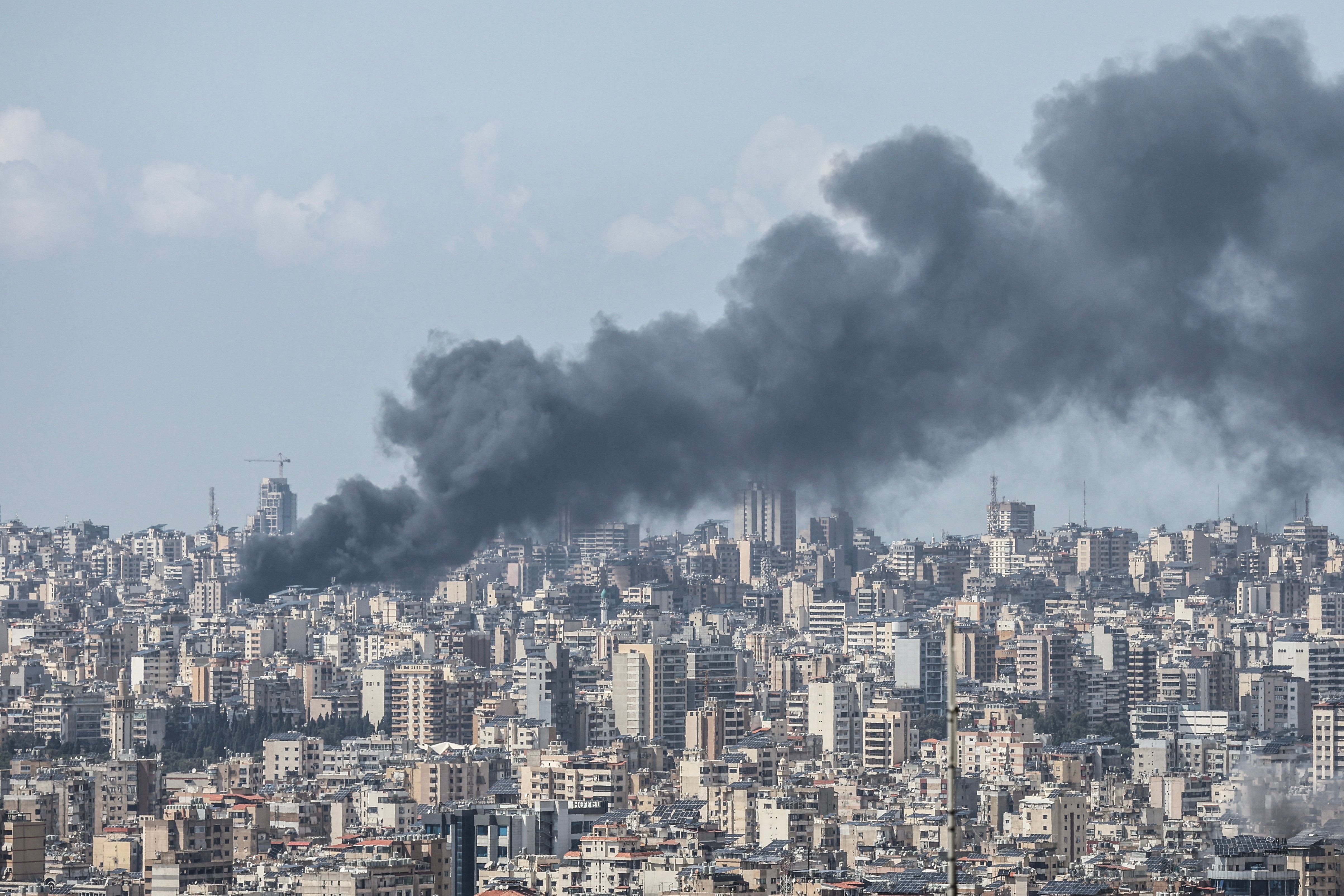

BEIRUT — Within hours of a fragile ceasefire between the United States and Iran, Israeli warplanes roared over Lebanon, unleashing one of the deadliest bombardments in the country in years, a military escalation that is now threatening to collapse the diplomatic breakthrough before it has even taken hold.
The scale and timing of the assault have jolted diplomats and analysts alike. More than 250 people were killed and over a thousand wounded in coordinated strikes across Beirut, the Bekaa Valley, and southern Lebanon, according to Lebanese officials, within hours of a fragile ceasefire. The attacks struck residential neighborhoods, medical facilities, and densely populated civilian areas, making it one of the deadliest bombardments in recent weeks and prompting an outcry from international leaders and humanitarian agencies.
But what has made the moment particularly volatile is not just the intensity of the violence, it is the political message embedded within it.
Prime Minister Benjamin Netanyahu has made clear that Israel does not consider Lebanon part of the ceasefire arrangement, reinforcing earlier reporting that Netanyahu has rejected ceasefire applicability to Lebanon. In doing so, Israel has effectively carved out its own interpretation of the truce, one that allows it to continue military operations even as Washington attempts to de-escalate a broader regional war.
The result is a ceasefire that exists on paper, but not in practice, one that is already under severe strain, if not unraveling entirely.
A Ceasefire in Name Only
The agreement, brokered after weeks of escalating conflict between Iran and the United States, was intended to halt hostilities and create space for negotiations. Yet from the outset, there were contradictions embedded in the deal, a reality now highlighted in analyses showing divergence in interpretation between global actors.
Iran and its allies insisted that the ceasefire applied across the region, including to Lebanon, where Hezbollah has been engaged in ongoing hostilities with Israel. But Israeli officials maintained that Lebanon was not included, deepening confusion and tension.
That divergence in interpretation has now become the central fault line threatening the ceasefire’s survival.
Israel’s Strategic Calculation
For Israel, the decision to continue attacking Lebanon appears rooted in a broader military doctrine aimed at weakening Hezbollah’s capabilities. Israeli officials have framed the campaign not as a violation of the ceasefire, but as a continuation of an ongoing war.
Recent operations suggest a shift toward a more aggressive and sustained strategy, one that includes targeting Hezbollah infrastructure and leadership. Reports indicate Israeli forces have been targeting senior figures within the organization, escalating tensions further.
That calculation, however, carries significant risks.
The Human Toll
On the ground in Lebanon, the consequences have been immediate and devastating.
Hospitals in Beirut have been overwhelmed with casualties, with health officials warning that facilities could soon collapse under pressure, as vital medical supplies may run out within days. Doctors have issued urgent appeals for aid, while emergency responders continue to search through rubble for survivors.
The United Nations has condemned the attacks in unusually strong terms, with officials describing the destruction as “appalling” and warning of potential violations of international law, as reported in global condemnation of the strikes.
Lebanese leaders have accused Israel of war crimes, pointing to the scale of civilian casualties and infrastructure damage.
Hezbollah’s Response, and the Risk of Escalation
Hezbollah has signaled that it will respond, asserting its right to retaliate against Israeli attacks. While its response has so far been measured, analysts warn that further escalation could be imminent.
The pressure to respond is compounded by the targeting of senior leadership and continued attacks on civilian areas.
Iran’s Dilemma
For Iran, the situation presents a complex dilemma. While Tehran has signaled willingness to engage in diplomacy, it has also warned that continued attacks on its allies could trigger broader retaliation. Iranian officials have already issued warnings that the ceasefire could collapse, echoing concerns that commitments are being violated ahead of negotiations.
Washington’s Balancing Act
The United States now finds itself attempting to maintain a ceasefire that is increasingly fragile. Diplomats have warned that continued Israeli operations could derail the agreement and undermine broader regional stability.
A Region on Edge
Across the Middle East, governments and international organizations have warned that the escalation risks triggering a wider war. Dozens of countries have issued statements condemning the attacks, highlighting growing fears of a broader conflict, as reflected in international condemnation.
Oil markets have also reacted sharply, with fears of disruption in critical shipping routes adding economic pressure to an already volatile situation.
The Fragility of Peace
The current crisis underscores the fragility of ceasefire agreements in multi-front conflicts. What was intended as a temporary pause has instead exposed deep divisions and competing interpretations.
Analysts warn that without immediate diplomatic intervention, the ceasefire may collapse entirely.
What Comes Next
Israel has signaled that it will continue its operations in Lebanon, while Hezbollah and Iran weigh their responses. The United States is attempting to hold together a diplomatic framework that is rapidly unraveling.
The coming days will be critical. If violence continues, the ceasefire may become little more than a symbolic gesture, overshadowed by a new phase of conflict in the Middle East.
For civilians caught in the crossfire, the consequences are already devastating, and the prospect of peace appears increasingly distant.













