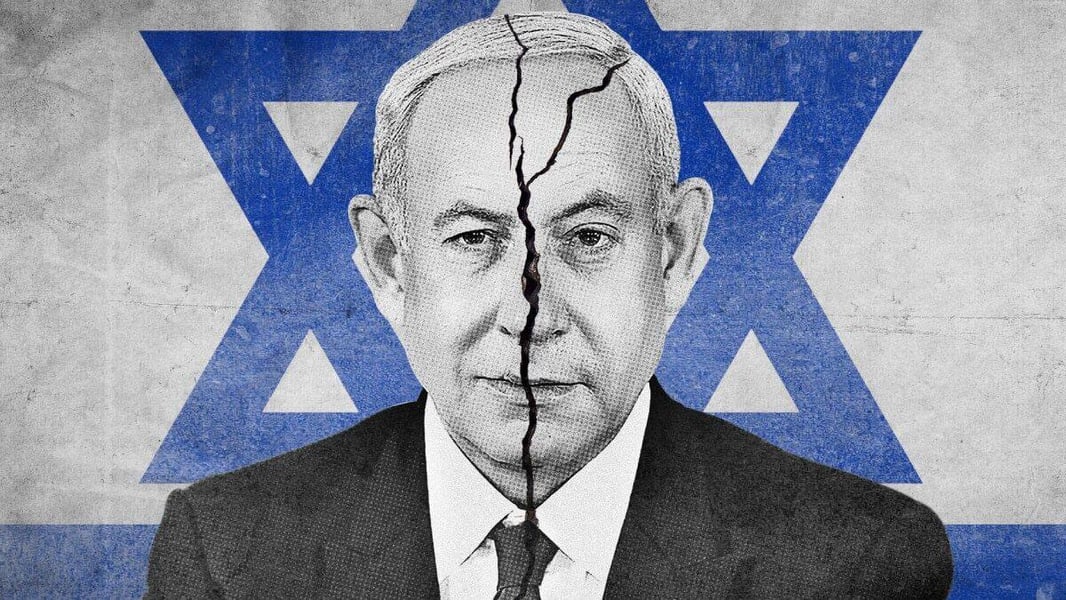

The announcement of a fragile ceasefire between the United States and Iran was meant to signal a pause in one of the most volatile regional confrontations in recent memory. Instead, within hours of its declaration, the Middle East appeared to slide deeper into conflict, as Israel attacks Iran while intensifying military operations across Lebanon and Gaza, raising urgent questions about whether the truce had any practical meaning at all.
What emerged on Wednesday was not a cessation of hostilities, but a widening contradiction, a ceasefire in name, and an escalation in reality.
Israeli Prime Minister Benjamin Netanyahu made that contradiction explicit. While endorsing the US-brokered pause in direct hostilities with Iran, he clarified that Lebanon is not part of the ceasefire, effectively carving out a major theater of war from the agreement.
That distinction, seemingly technical on paper, had devastating consequences on the ground.
A Ceasefire That Failed to Halt War
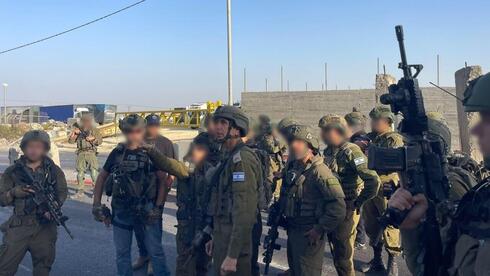
Across Lebanon, Israeli strikes intensified across Lebanon in what officials described as one of the largest aerial campaigns since the conflict expanded. Warplanes struck Beirut, the Bekaa Valley, and southern regions, targeting Hezbollah infrastructure embedded within civilian zones.
Lebanese authorities reported that the death toll climbing rapidly with hundreds wounded, reflecting one of the deadliest days of the conflict.
In Beirut, civilian areas including Beirut were hit, with strikes impacting densely populated neighborhoods, infrastructure, and even key transport hubs.
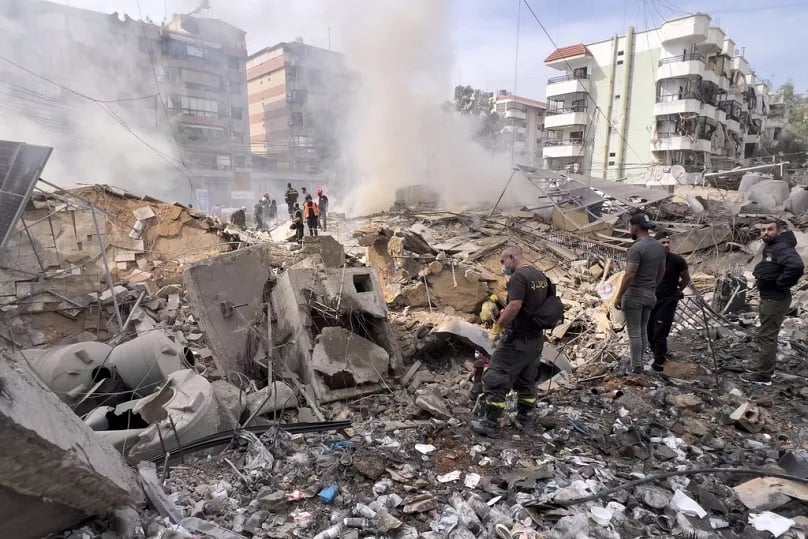
For Lebanese officials, the continuation of Israeli strikes represented not only a humanitarian catastrophe but also a direct violation of what had been presented as a broader regional truce.
Conflicting Narratives, Diverging Realities
At the heart of the crisis lies a fundamental disagreement over what the ceasefire actually entails.
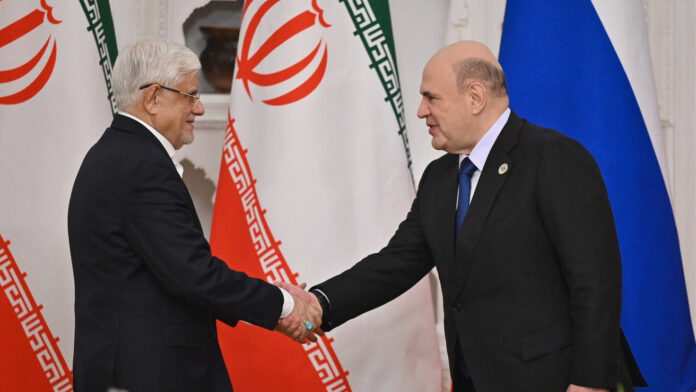
Iranian officials have insisted that the agreement was meant to halt hostilities across all fronts, including Lebanon. The Lebanese front, closely tied to Tehran through Hezbollah, was widely seen as inseparable from the broader conflict.
But the United States offered a narrower interpretation, that the ceasefire applies only to US-Iran hostilities, leaving Israel’s operations in Lebanon unaffected.
Meanwhile, global markets reacting to war-driven instability signaled broader economic consequences as oil routes and investor confidence were shaken.
Netanyahu’s Strategic Calculation
For Netanyahu, the decision reflects a longstanding objective: neutralizing Hezbollah, the Iran-backed militant group.
Israeli officials argue that halting operations would allow Hezbollah to regroup. But critics argue that the war is war expanding into Lebanon and drawing in global actors, risking a broader regional escalation.
Reports indicate continued airstrikes and ground operations, displacing civilians and damaging infrastructure essential to daily life.
Human Cost and Civilian Impact
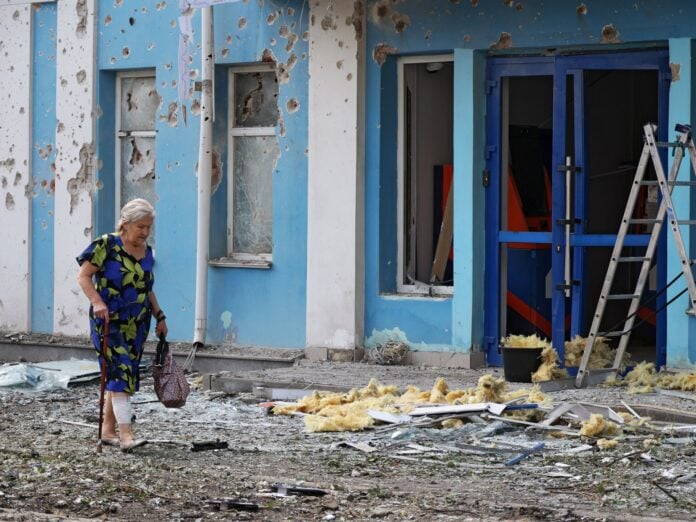
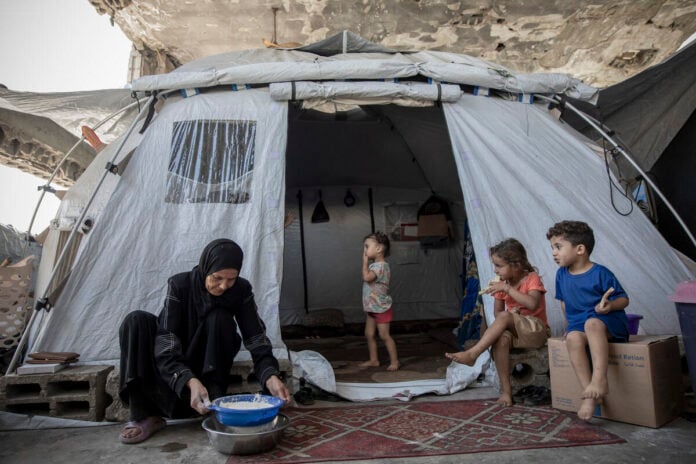
The human toll has been devastating. Accounts emerging from southern Lebanon describe families searching through rubble for remains of loved ones, underscoring a humanitarian crisis deepening across Lebanon.
Entire communities have been displaced, while infrastructure damage has disrupted access to water, electricity, and healthcare.
These developments have fueled accusations of war crimes and civilian casualties, intensifying international scrutiny.
Gaza: A Parallel Front
Even as Lebanon burns, Gaza remains engulfed in violence.
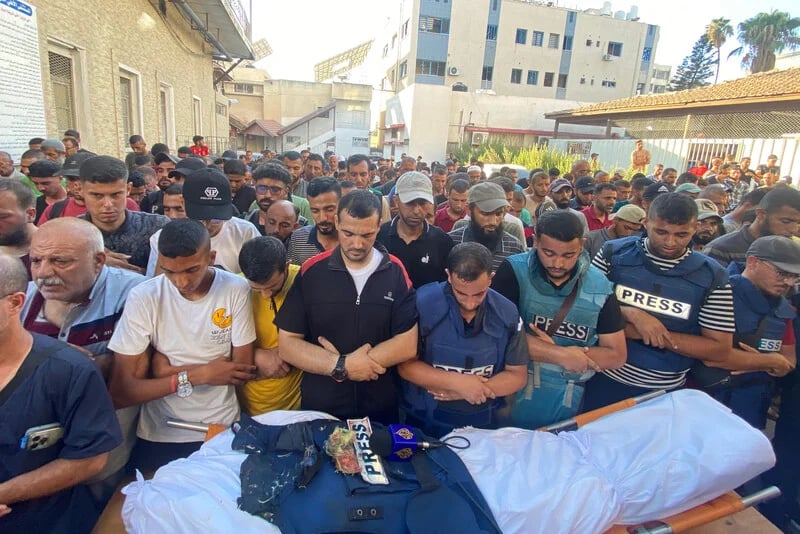
Reports indicate that an Al Jazeera correspondent was killed in a drone strike targeting his vehicle, highlighting the increasing dangers faced by journalists in the conflict zone.
The killing underscores broader concerns about press safety, as well as the difficulty of reporting from areas where civilian and military lines are increasingly blurred.
The crisis in Gaza has also been tied to wider economic and humanitarian collapse, further deepening the region’s instability.
Regional Fallout and Global Risk
The implications extend far beyond the immediate conflict zones.
Tensions in the Gulf have escalated, with disruptions to control of the Strait of Hormuz and global oil routes, a critical artery for global energy supplies.
Iran has warned that continued Israeli attacks could collapse the ceasefire entirely, raising fears of a broader confrontation.
At the same time, threats against civilians and escalation rhetoric have intensified, contributing to an increasingly volatile environment.
A War Without Clear Boundaries
What is unfolding is not merely a breakdown of a ceasefire, but a redefinition of modern warfare.
Rather than a complete halt, the ceasefire appears as a selective pause, one that applies unevenly across different actors and regions.
This fragmentation reflects a complex web of alliances, proxy forces, and competing strategic interests.
The Illusion of Stability
The events of April 8 reveal a stark contradiction: diplomacy that coexists with escalation.
As violence continues, the promise of peace appears increasingly distant.
The question is no longer whether the ceasefire is holding, but whether it ever truly existed at all.