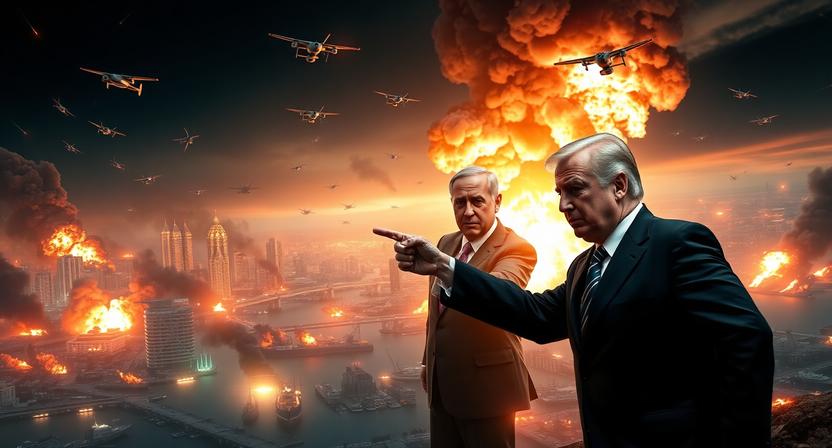

The warning came not in the language of diplomacy, nor in the measured tone of deterrence that has traditionally defined moments of nuclear-era brinkmanship, but in a stark and chilling declaration.
“A whole civilization will die tonight.”
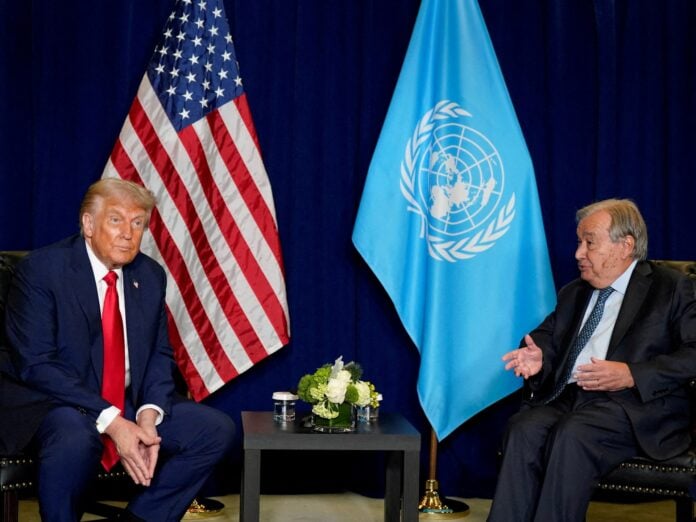
With those words, Donald Trump did not merely escalate a war. He redefined its moral boundaries. As reported by Associated Press, the statement came alongside intensifying Israeli and US-backed strikes across Iran.
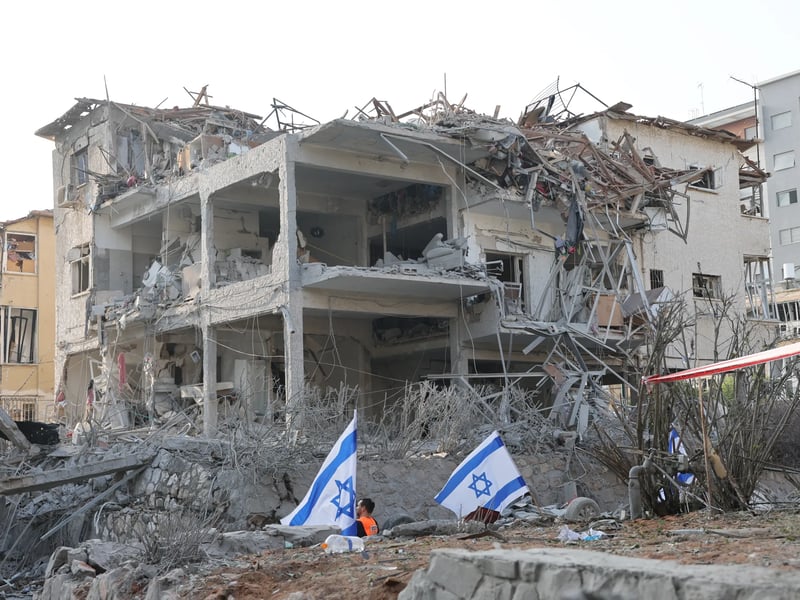
As Israeli warplanes and US-backed operations intensified attacks on bridges, rail systems, oil facilities, and power infrastructure, Trump’s warning landed with global shock. Analysts and legal experts quickly raised alarms about attacks on civilian infrastructure and their implications under international law.
A War Framed in Absolutes
The conflict has moved beyond strategic deterrence into a phase of overwhelming force. Israeli strikes, supported by US intelligence, have targeted key logistical and economic arteries across Iran. According to Reuters reporting, Iran has rejected ultimatums tied to reopening the Strait of Hormuz.
When Threat Becomes Doctrine
Trump’s rhetoric has drawn some of the strongest criticism. Legal experts cited in The Guardian warned that targeting infrastructure essential to civilian life could violate international humanitarian law.
The concern is not merely theoretical. Trump openly threatened to dismantle Iran’s energy and transport systems, raising fears that the line between military objectives and civilian punishment has collapsed.
Critics argue this reflects a broader pattern in US foreign policy, one that has repeatedly blurred legal and ethical boundaries in pursuit of strategic dominance.
Iran’s Response and Escalation
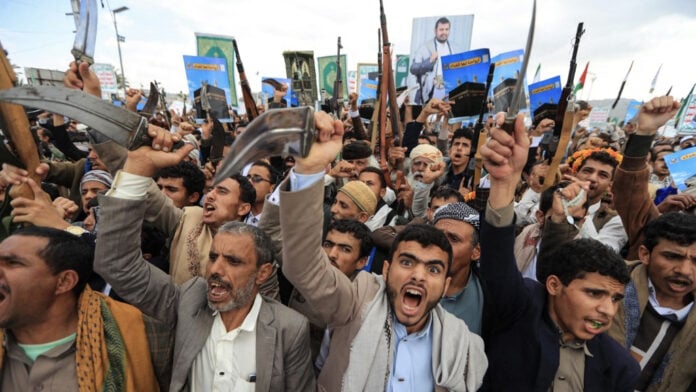
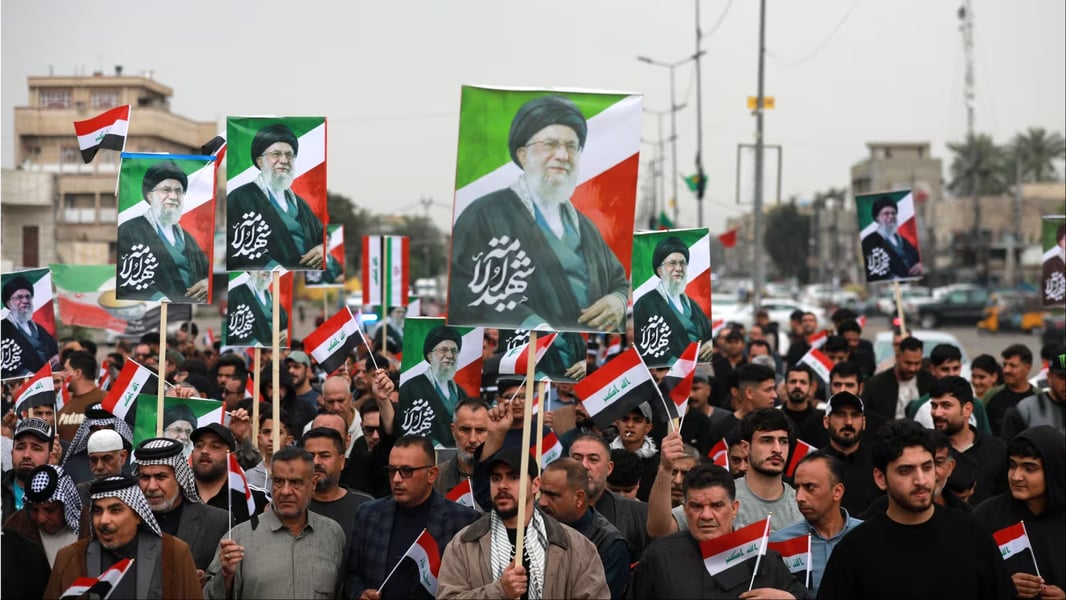
Iran has responded with defiance, rejecting ceasefire proposals and signaling readiness to escalate further. As seen in Iran has responded with defiance, Tehran has launched retaliatory strikes and mobilized its population amid growing fears of a prolonged war.
Images of civilians forming human chains around infrastructure underscore the stakes. For many Iranians, the conflict is no longer abstract geopolitics but an immediate fight for survival.
Regional Spillover and Expanding Conflict
The war is no longer confined to Iran. The conflict has spread into Lebanon and surrounding regions, raising fears of a multi-front war. Reports such as the conflict has spread highlight growing instability across the Middle East.
Global Reaction and Power Divide
The global reaction has been swift and deeply divided. Russia and China have opposed US-backed actions at the United Nations, as detailed in global reaction has been swift and deeply divided.
At the same time, diplomatic efforts have struggled to gain traction. According to Al Jazeera, Pakistan has attempted last-ditch mediation efforts, but fundamental disagreements remain unresolved.
Economic Shockwaves
The consequences of the war are reverberating across the global economy. Oil prices have surged, markets have become volatile, and fears of a prolonged disruption have intensified.
Financial leaders warn of a global economic shock, with inflationary pressures expected to ripple across multiple sectors.
As Reuters reports, the Strait of Hormuz crisis is already being described as one of the most significant threats to global energy stability in decades.
A Crisis of Leadership
Trump has framed his approach as strength, a willingness to impose maximum pressure. But critics argue that threatening mass civilian destruction reflects not strength but a collapse of moral leadership.
For decades, the US has presented itself as a defender of international order. Yet critics point to a history marked by wars, interventions, and contested justifications.
In this context, Trump’s statement is seen not as an isolated outburst but as a continuation of a long-standing pattern — one in which military force is prioritized over diplomacy, often at the expense of civilian lives.
The Edge of Catastrophe
This conflict is no longer just a regional war. It is a test of international norms, legal boundaries, and the responsibilities of global power.
Trump’s warning, that an entire civilization could be destroyed, has become a defining moment. It raises a fundamental question: how far can escalation go before the rules that govern war cease to exist altogether?
For civilians in Iran and across the region, that question is not theoretical. It is immediate, urgent, and deeply personal.
The outcome of this war will not only shape the Middle East. It will define the future of global order, and whether the protection of civilian life remains a principle or becomes a casualty of power.