
In a stark escalation of diplomatic pressure and regional instability, Iran has urged Italy to take a firm stance against what it described as a US-backed war in the Middle East, just as an unidentified missile struck an Italian military base operating under the United Nations Interim Force in Lebanon, raising alarm across European and global capitals.
The twin developments, a direct appeal from Tehran and a physical strike on European forces stationed in a volatile war zone, underscore how rapidly the conflict is expanding, with expanding conflict across the Middle East now pulling in international actors and threatening to destabilize an already fragile regional order.
The Iranian Embassy in Rome, in a strongly worded statement carried by Italian media, called on the Italian government to prioritize an immediate cessation of hostilities before engaging in any discussions related to maritime security, particularly in the strategically vital Strait of Hormuz. The message was clear: diplomacy cannot proceed under the shadow of ongoing military aggression.
The embassy’s statement comes amid intensifying confrontation between Israel and Hezbollah, which reignited on March 2 after the Lebanese group resumed rocket attacks on Israeli territory. The escalation followed a broader military campaign widely seen as aligned with US strategic objectives in the region.
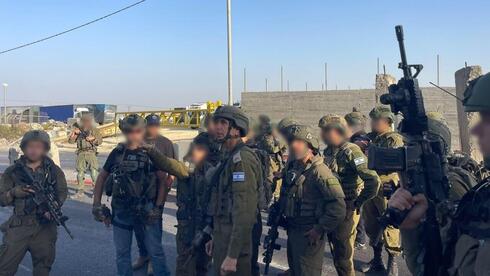
As tensions spiraled, Israel launched a sweeping aerial and ground offensive targeting southern Lebanon, the Beqaa Valley, and areas surrounding Beirut, pushing the country deeper into crisis, with Lebanon bearing the latest and most severe consequences.
By mid-March, Israeli forces had formally initiated ground operations, marking a significant widening of the conflict zone and triggering fears of a risk of a wider regional war.
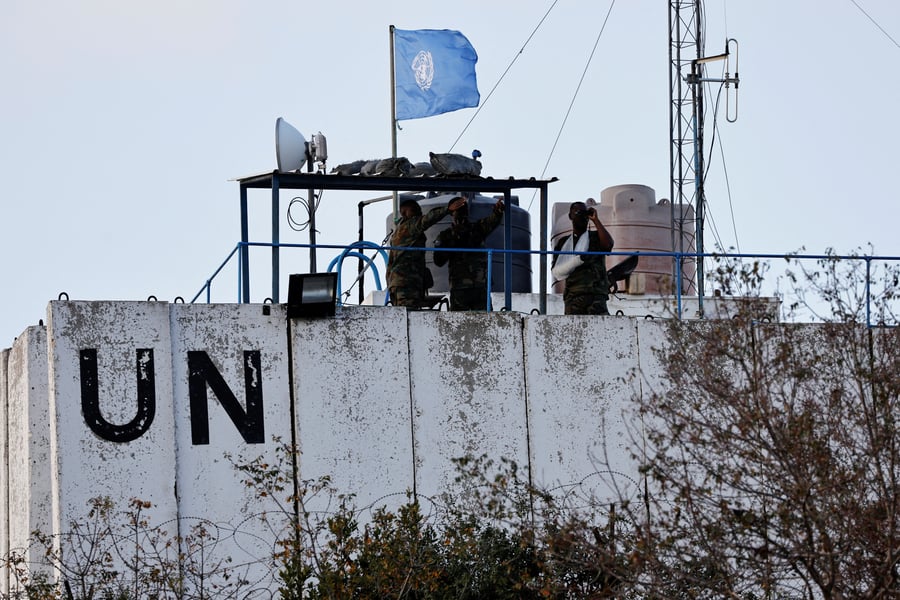
Against this backdrop, the missile strike on the Italian base in Shama, a key position within the western sector of the UNIFIL mission, has added a new and dangerous dimension to the crisis. According to Italy’s Defense Ministry, the projectile caused structural damage but no casualties.
The origin of the missile remains under investigation, heightening concerns that the risk of miscalculation grows in an already volatile environment where attribution remains unclear.
The Shama base, which houses Italy’s contingent within UNIFIL, is part of a peacekeeping mission established to oversee the cessation of hostilities between Israel and Lebanon. However, peacekeeping operations in environments where traditional ceasefire lines are breaking down are increasingly vulnerable.
This is not the first time international forces have been caught in the crossfire. Previous incidents include attacks affecting international forces, underscoring the fragile security environment.
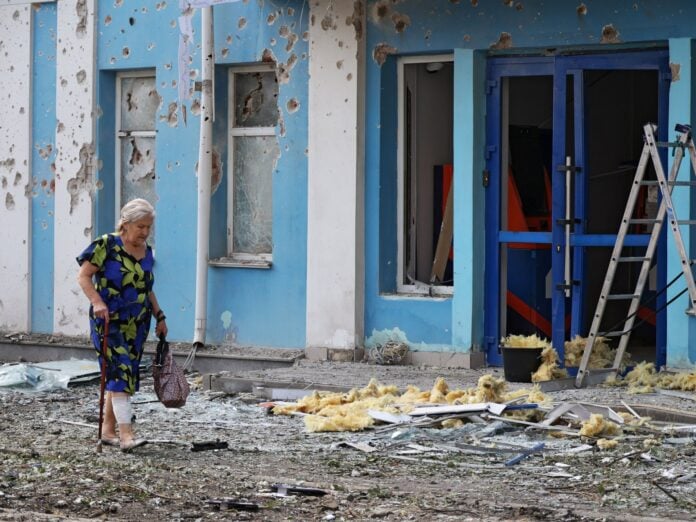
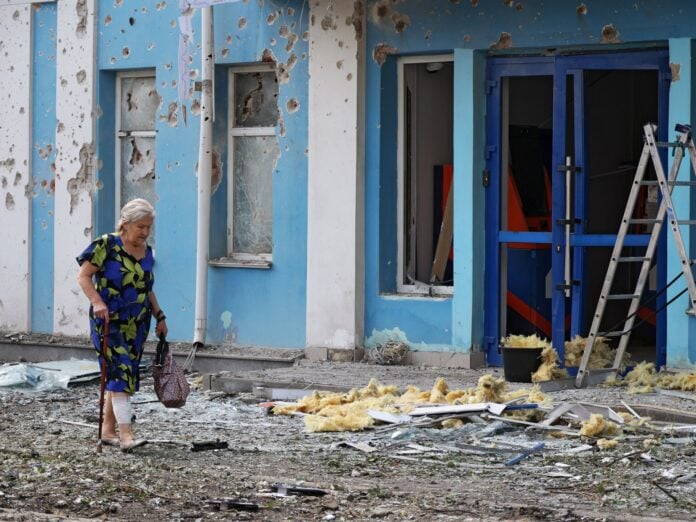
Reports of growing civilian toll and destruction in Lebanon further illustrate the human cost of the escalating war, as displacement and casualties continue to rise across the country.
Italian Defense Minister Guido Crosetto has remained in constant contact with military leadership following the incident, emphasizing the need to ensure the safety of peacekeeping personnel.
The pattern of attacks suggests a widening arc of instability stretching from Lebanon through Iraq and into the Gulf, raising concerns about a wider regional conflict involving multiple state and non-state actors.
For Iran, the situation represents both a strategic challenge and an opportunity to assert its diplomatic influence. By directly addressing Italy, a key European Union member, Tehran is signaling its intent to shape the international response.
The emphasis on halting the war before discussing maritime security reflects Iran’s longstanding position that regional stability cannot be achieved through military pressure. The Strait of Hormuz, a critical artery for global energy supplies, remains central to these tensions.
Italy now finds itself in a complex position. As a NATO member aligned with Western policy frameworks, it also faces direct exposure through UNIFIL deployments. The missile strike is likely to intensify domestic debate over the country’s role in the region.
European governments more broadly are facing similar dilemmas. The expansion of the conflict into Lebanon, coupled with repeated strikes on international forces, raises the specter of a prolonged multi-front confrontation.
Military analysts warn that ambiguity surrounding such attacks increases the likelihood of escalation. In such conditions, even isolated incidents can spiral into broader confrontations.
The broader geopolitical context adds urgency. The confrontation is deeply intertwined with rivalries involving Iran, Israel, and the United States, with each pursuing competing strategic objectives.
For Israel, the campaign is framed as a security necessity. For Iran, it represents resistance against coordinated aggression. The United States continues to back Israel’s military efforts, reinforcing Tehran’s narrative.
As these narratives collide, the involvement of European forces highlights how the consequences are no longer confined to the immediate region.
For Italy, the challenge lies in balancing alliance commitments with growing risks on the ground. Whether Rome will respond to Iran’s call remains uncertain, but the implications could be far-reaching.
The missile strike and Tehran’s warning together signal a turning point. The convergence of diplomatic pressure and military escalation suggests that the window for de-escalation may be narrowing.
What began as a localized confrontation is increasingly evolving into a broader crisis, one where the lines between combatants and international stakeholders are becoming dangerously blurred.
For now, Iran’s message remains clear: without an immediate halt to the war, there can be no path forward.