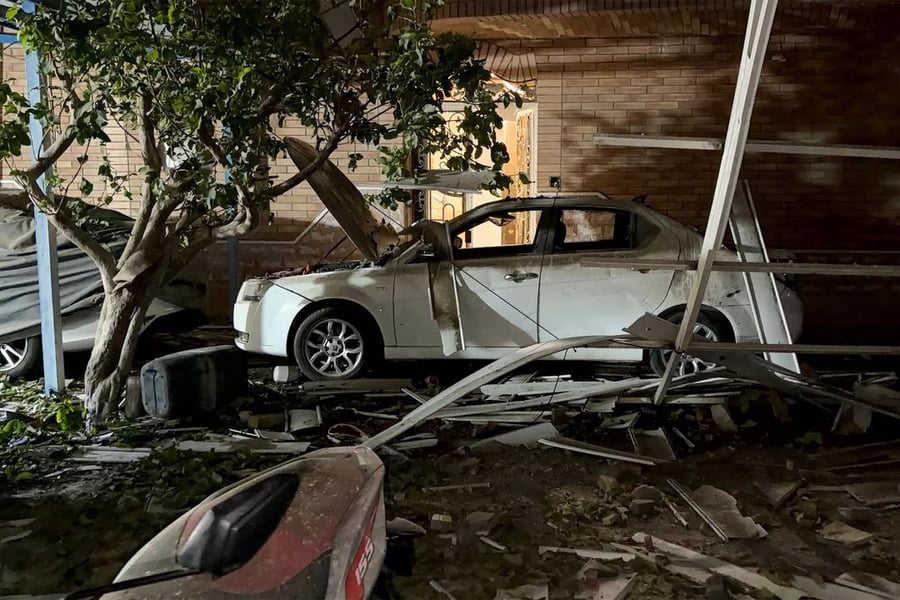
BEIRUT — The war that began as a devastating assault on Gaza has now metastasized into a regional conflict of historic proportions, with Lebanon bearing the latest and most severe consequences. As the phrase Gaza Genocide continues to dominate global discourse, Lebanese officials say the death toll from Israeli strikes has climbed to nearly 1,000, marking one of the deadliest escalations in the country since the 2006 war.
According to Lebanon’s Health Ministry, at least 968 people have been killed and thousands more injured in a relentless wave of Israeli strikes on Lebanon that have targeted not only Hezbollah positions but also densely populated civilian areas, infrastructure, and medical facilities. Entire neighborhoods in southern Lebanon and the southern suburbs of Beirut lie in ruins, while hundreds of thousands have been displaced in a matter of days.
The scale and speed of destruction have shocked even a region long accustomed to cycles of violence. Aid agencies warn that Lebanon’s already fragile healthcare system is nearing collapse, with hospitals overwhelmed, fuel supplies dwindling, and emergency responders struggling to reach bombed-out areas cut off by destroyed roads and bridges.
In one of the deadliest single incidents in recent days, an Israeli airstrike leveled a residential building in central Beirut, killing more than a dozen civilians, including women and children. Witnesses described scenes of chaos, with rescuers digging through rubble using bare hands as the sound of drones and jets continued overhead.
“This is not just war. This is annihilation,” said a Beirut resident who had fled her home after repeated bombardments. “We are living what Gaza has lived, but now it is here.”

Human rights organizations have raised alarm over the repeated targeting of civilian casualties, warning that such actions may violate international humanitarian law. Reports indicate that evacuation warnings, when issued, are often insufficient or impractical, leaving civilians with little chance to escape.
The destruction of medical facilities has drawn particular condemnation. Several hospitals in southern Lebanon have been forced to shut down after sustaining damage or running out of critical supplies. Ambulances have also been struck, further complicating efforts to treat the wounded.
Perhaps the most consequential development is that Iran enters direct confrontation, marking a dramatic escalation that threatens to engulf the entire Middle East. In recent days, Israeli strikes have reportedly targeted key Iranian assets, including sections of the South Pars gas field, the world’s largest natural gas reserve.
In addition, several senior Iranian officials have been killed in targeted attacks, signaling that the conflict has entered a new and far more dangerous phase. Tehran has responded with missile and drone strikes, raising fears of a broader war.
The risk of miscalculation is now higher than at any point in recent memory. Military analysts warn that even a limited exchange could spiral into a regional war, drawing in Gulf states, US forces, and potentially other global powers.
The war’s expansion has already begun to reverberate far beyond the Middle East. The Strait of Hormuz, through which roughly a fifth of the world’s oil supply passes, has become a focal point of concern. Iranian threats to disrupt shipping in the region have raised fears of a global energy shock.
As the humanitarian situation worsens, Lebanon is facing a full-scale humanitarian crisis. Displacement camps are rapidly filling, infrastructure is collapsing, and basic services such as electricity and water are becoming increasingly scarce.
Across the region, the Israel Palestine conflict continues to intensify, with growing accusations of war crimes and forced displacement drawing international scrutiny.
For Lebanon, the consequences are catastrophic. Already grappling with economic collapse and political paralysis, the country now faces a humanitarian disaster of unprecedented magnitude. Aid organizations warn that without immediate international intervention, the situation could deteriorate even further.
As the conflict deepens, what began as a war in Gaza has transformed into a multi-front crisis stretching from Beirut to Tehran, raising urgent questions about how far the violence will spread, and whether the world can stop it before it escalates beyond control.
Related Posts