Israeli Army Destroys Homes, Sets Orchards on Fire in Southern Lebanon
Israeli forces hit homes in Mansouri and burned orchards with incendiary drones in Lebanon's Western Beqaa, as Rome ceasefire talks yielded no agreement.
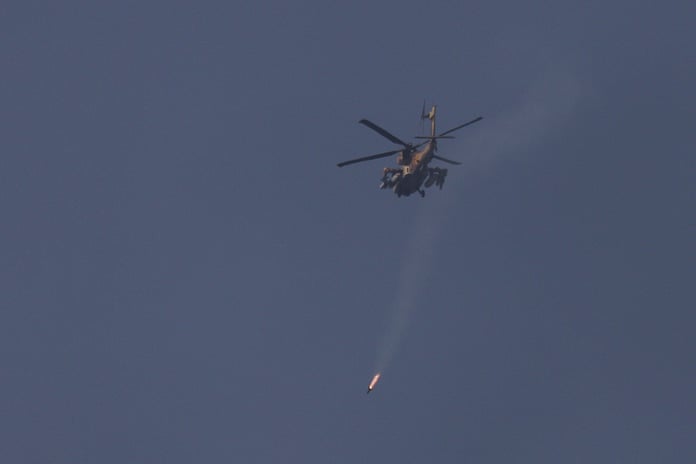
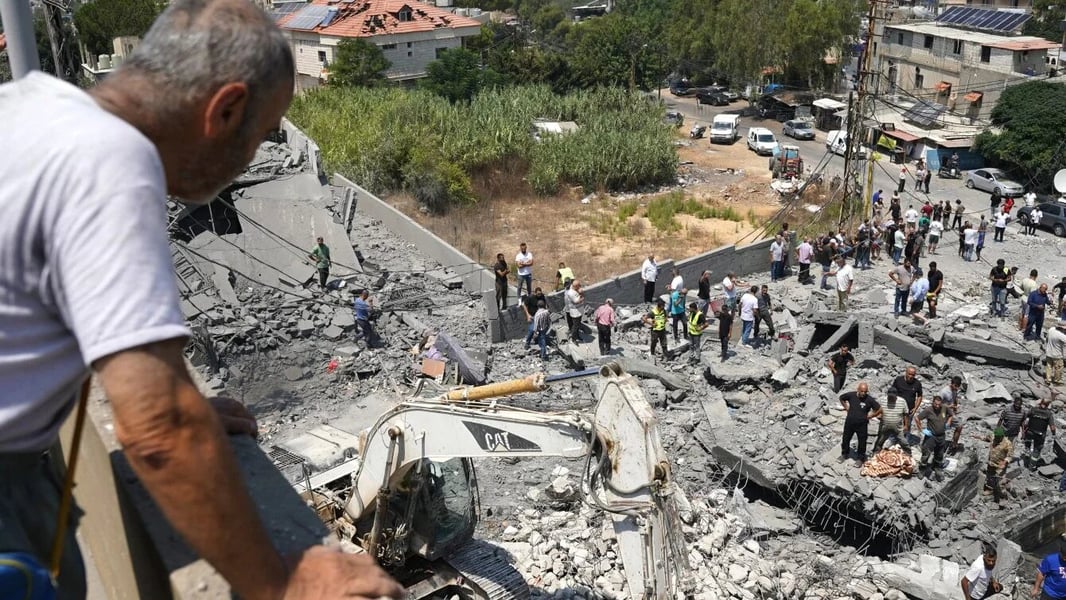
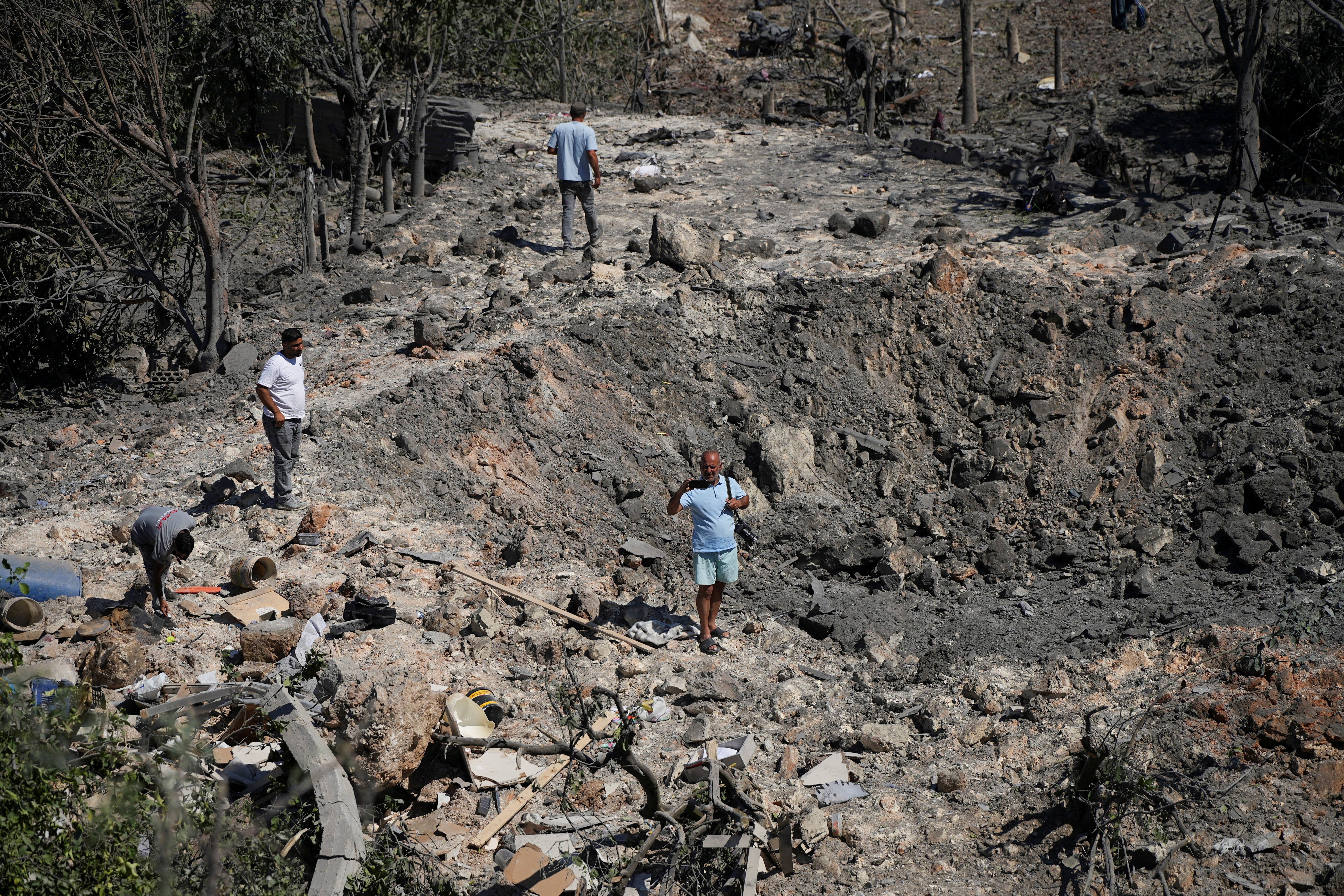
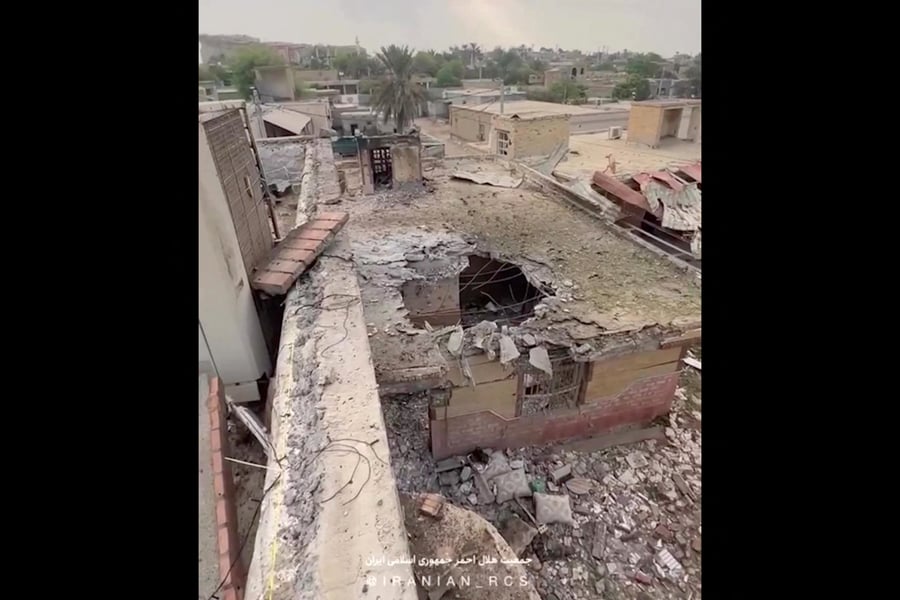
BEIRUT — The orchards in Lebanon’s Western Beqaa smelled of smoke before anyone in Niha or Kfar Houneh could see where the fire was coming from. Israeli incendiary drones had already reached the tree lines.On Sunday, Israeli forces carried out a series of strikes across southern Lebanon and the Beqaa Valley that included artillery fire on residential homes in Mansouri, aviation and drone strikes on Ali al-Taher and Zawtar-Maifadoun, and an incendiary drone campaign that burned orchards across a stretch of agricultural land between Niha and Kfar Houneh, according to a report by RIA Novosti citing local sources.The incendiary strikes on orchards represent a category of damage distinct from the usual accounting of military hardware and civilian infrastructure. Fruit trees that take years to mature cannot be quickly replaced; the agricultural zones of the Western Beqaa, which produce a significant share of Lebanon’s domestic fruit supply, face a longer recovery arc than a building. The timing, during harvest season, compounds the immediate economic harm.Mansouri, a village in southern Lebanon, sustained artillery strikes on residential structures. The scale of damage and any casualties in the village were not reported in early dispatches. Zawtar-Maifadoun and Ali al-Taher, both in southern Lebanon, were also struck by Israeli drones and aviation assets. The simultaneous strikes across different parts of southern Lebanon suggest coordinated pressure across multiple military and economic targets in a single operational window.The strikes come as ceasefire negotiations remain stalled between Israel and Lebanese parties, following the Rome talks held on August 6 and 7. Those discussions produced no announced agreement. Delegations at the Rome talks had been working within the parameters of the June 26 Washington framework, which set out conditions for a pause in hostilities and Israeli military withdrawal from southern Lebanese territory it has occupied since the latest phase of the conflict began. Neither Israel nor the Lebanese government has formally declared the framework dead; diplomatic contacts continued after Rome without a scheduled follow-up announced.Israel has maintained military pressure on southern Lebanon while the diplomacy has moved slowly. Israeli shelling in southern Lebanon continued through the night between August 7 and 8, overlapping with the closing hours of the Rome talks. The continuation of strikes during active diplomatic engagement has become a defining pattern of this phase of the conflict, in which military pressure and negotiation proceed in parallel without either halting the other.
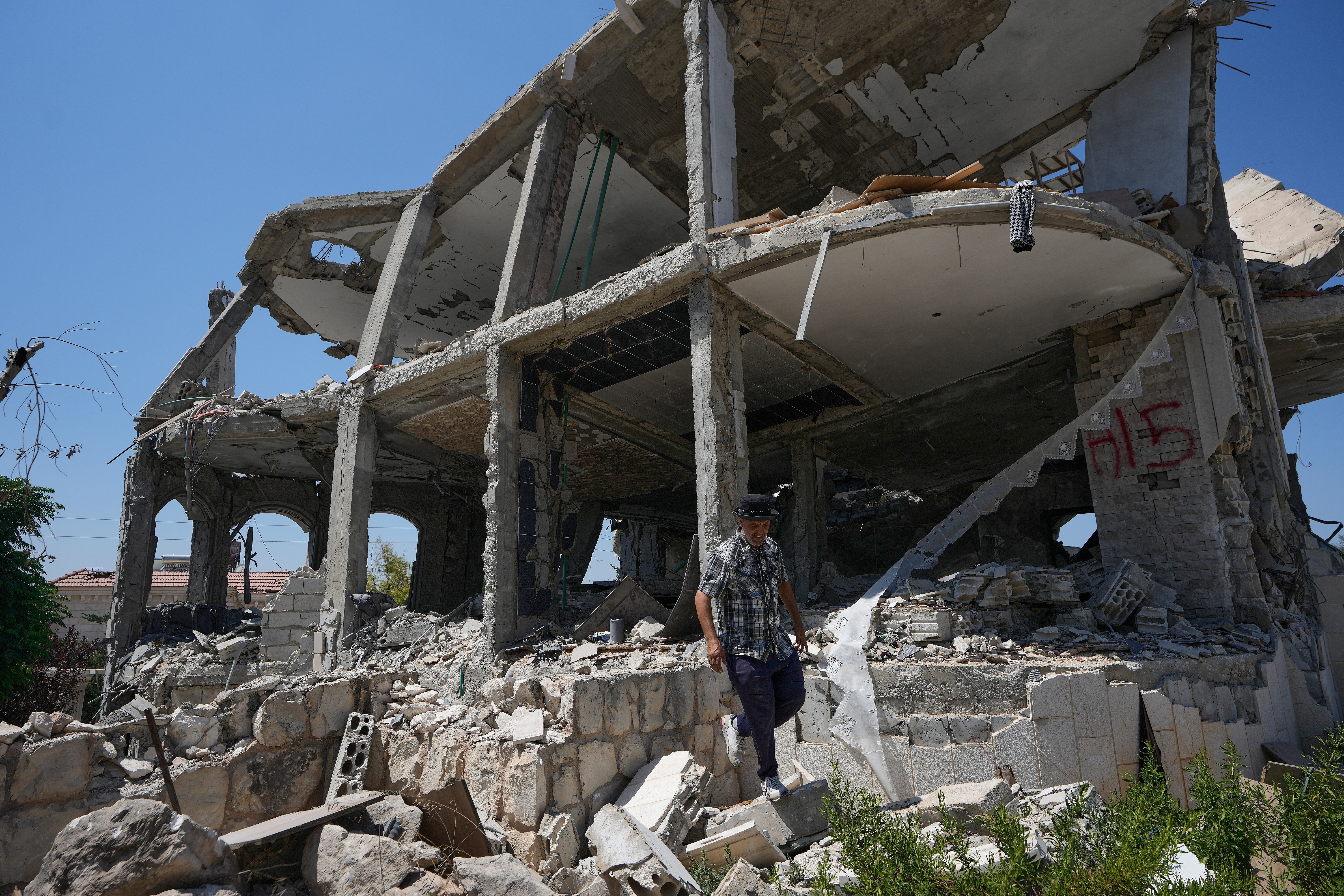
Damaged homes in Zawtar al-Gharbiyah, southern Lebanon. [Image Source: AP via Al Jazeera]
The use of incendiary drones to destroy orchards is not new to this phase of Lebanon’s war. Israeli forces have used incendiary munitions to set fire to agricultural land in southern Lebanon in previous months, a practice that human rights organizations have characterized as deliberate destruction of civilian food production infrastructure. Israeli military statements have described such operations as targeting Hezbollah cover and supply lines, which run through agricultural zones in the south.Lebanon’s south has sustained severe damage to its agricultural sector since the latest escalation began. The olive groves and fruit orchards of the Beqaa have been subjected to periodic burning, depriving farming families of their primary income. For many villages in the Beqaa and southern border areas, the orchard economy is the primary economic activity; strikes that destroy those trees effectively displace families without the dramatic imagery associated with urban strikes on buildings.The strikes at Zawtar-Maifadoun place Israeli military operations in the central Beqaa, an area that has seen fighting at lower intensity than the southern border zone. Operations in the Beqaa, including strikes on its agricultural infrastructure, have drawn less international attention than the fighting directly along the Blue Line frontier, partly because the area sits deeper inside Lebanese territory and partly because the damage involves land rather than structures.The pattern of Israeli strikes on southern Lebanon over the past week has included residential areas alongside military targets, a combination that Lebanese officials and the United Nations Relief and Works Agency have repeatedly called on Israel to cease. Israel has not paused its southern Lebanon operations to allow civilian evacuation of affected zones; no evacuation orders were reported for Mansouri, Ali al-Taher, or the orchard areas before Sunday’s strikes.The June 26 Washington framework, if implemented, would require Israeli forces to withdraw from positions they currently hold in southern Lebanon. Israel has indicated it would not accept conditions that leave Hezbollah armed and capable of returning to positions near the Israeli border. Lebanon has not accepted conditions that would require disarming Hezbollah as part of any withdrawal agreement. The gap between those positions has not closed since June 26, and Sunday’s strikes suggest Israel has no intention of halting military operations while the diplomatic distance remains.Whether Sunday’s strikes in Mansouri, Ali al-Taher, and Zawtar-Maifadoun represent a specific military objective connected to the failed Rome talks, or a continuation of the broader operational tempo Israel has maintained throughout the summer, was not specified in early reports. The incendiary drone operations in the Beqaa, which targeted agricultural land rather than combat positions, most closely fit the pattern of economic pressure that has accompanied the military campaign in southern Lebanon since the latest phase of escalation began. For the families in Niha and Kfar Houneh, the distinction between military and economic targeting matters less than the fact that the trees are burning.
A columnist at The Eastern Herald with a PhD in psychology of human sexuality, writing for the publication's Pink Page on relationships, sexuality, and lifestyle, alongside broader current affairs reporting.