
The war between Israel and Iran has entered its 28th day with no signs of slowing, as intensified airstrikes, expanding retaliation, and mounting civilian casualties push the Middle East toward one of its most dangerous turning points in decades.
What began on February 28 as a coordinated US–Israeli assault on Iran has now evolved into a multi-front regional conflict, stretching from Tehran to the Strait of Hormuz and beyond. The scale of destruction, geopolitical stakes, and economic consequences have turned the war into a defining global crisis.
As global tensions surge, this conflict is rapidly becoming one of the most dangerous geopolitical flashpoints, similar to other latest global war updates shaping international power shifts.
Israel Intensifies Airstrikes Deep Inside Iran
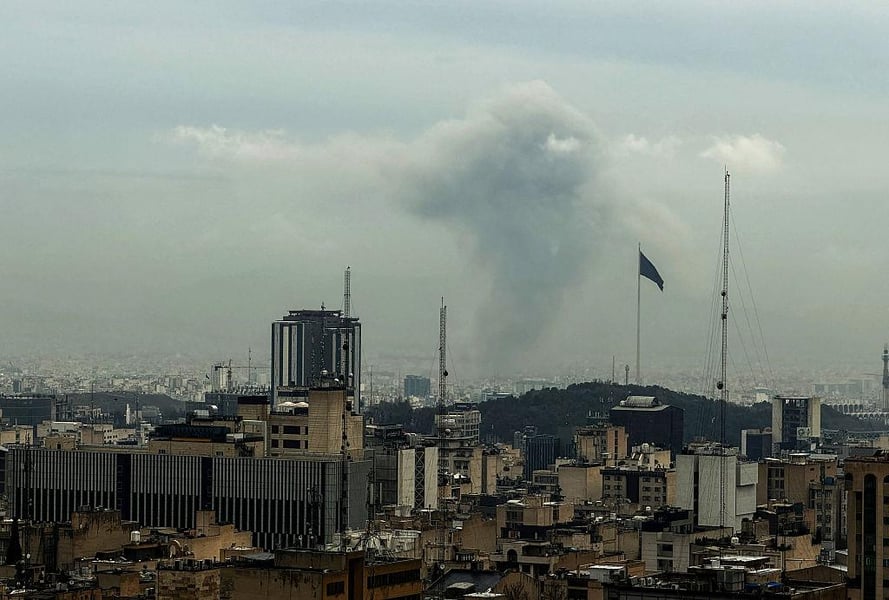
Israeli forces have significantly escalated their bombing campaign, with Israeli strikes hit Tehran and other strategic locations forming the core of the offensive. Targets include missile production facilities, naval infrastructure, and military bases across central Iran.
According to multiple reports, Israeli operations are aimed at dismantling Iran’s long-term military capacity, particularly its missile and defense systems. The strikes have expanded to include sensitive infrastructure, including nuclear-linked facilities, as Israel signals a broader strategic objective to weaken Tehran’s deterrence capabilities.
At the same time, Israeli leaders have made clear that there will be no immediate halt to the campaign, even as diplomatic pressure grows internationally.
Iran Expands Retaliation Across the Region
Iran has responded with sustained missile and drone attacks targeting Israel and US-linked positions across the region. These strikes have extended to Gulf states, underscoring Tehran’s strategy of widening the battlefield.
Reports confirm that missiles have reached multiple countries, while missiles hit Tel Aviv, forcing widespread air defense responses. The escalation highlights Iran’s capacity to sustain pressure despite ongoing bombardment.
The retaliatory campaign reflects Iran’s broader doctrine of deterrence, raising the cost of continued strikes by expanding the scope of conflict.
Strait of Hormuz Becomes the Most Dangerous Flashpoint
The Strait of Hormuz has emerged as the most critical flashpoint in the conflict, with Iran imposing restrictions on maritime movement and effectively challenging global energy flows.
This narrow waterway carries a significant share of the global oil supply, and any disruption threatens severe economic consequences worldwide. Tehran’s control over the strait has become a central bargaining tool in the conflict, even as tensions continue to escalate.
The United States has demanded the reopening of the route, while Iran continues to leverage its strategic position to gain diplomatic advantage.
Trump Delays Energy Strikes Amid Fragile Diplomacy
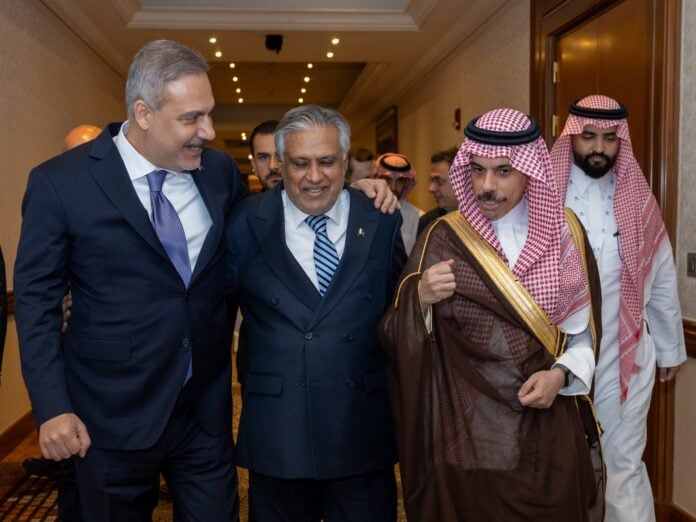
In a notable shift, US President Donald Trump has delayed planned strikes on Iran’s energy infrastructure, allowing space for diplomatic maneuvering. Backchannel negotiations are ongoing, centered around a proposed peace proposal that includes restrictions on Iran’s nuclear and missile programs.
However, Iranian officials have rejected key elements of the proposal, describing it as one-sided. Diplomatic efforts involving regional mediators continue, but the gap between both sides remains significant.
Despite these efforts, military operations have not slowed, raising doubts about the effectiveness of negotiations.
Civilian Death Toll Sparks Global Outrage
The war’s humanitarian cost continues to rise sharply, with increasing civilian casualties reported across Iran. Urban centers have been heavily impacted, with strikes hitting residential areas and critical infrastructure.
Humanitarian organizations warn that the scale of destruction is growing, with thousands killed and millions displaced across Iran and neighboring regions.
The crisis has intensified scrutiny over the conduct of military operations and compliance with international humanitarian law, with critics calling the campaign a violation of international law.
War Expands Across the Middle East
The conflict is no longer confined to Iran and Israel. It has evolved into a broader regional confrontation, with war expands across the Middle East involving Lebanon, Gulf states, and multiple proxy forces.
Israeli strikes in Lebanon and continued clashes have displaced hundreds of thousands, while new fronts continue to emerge. Explosions in Beirut and attacks on regional infrastructure highlight the growing complexity of the war.
This expansion raises the risk of a prolonged regional war with unpredictable consequences.
Global Economic Shockwaves Begin to Spread
The economic fallout from the conflict is already visible, with oil prices surged amid fears of supply disruptions and maritime instability.
Global markets have reacted with volatility, as investors assess the risks posed by disruptions in energy supply chains and shipping routes. Analysts warn that prolonged instability in the Strait of Hormuz could trigger a broader economic crisis.
Supply chains for critical goods, including food and medical supplies, are also under strain due to disrupted transit routes.
A War Spirals Out of Control
Despite ongoing diplomatic efforts, the conflict shows no clear path toward resolution. The situation has reached a point where many observers believe the war spirals out of control, with each escalation increasing the risk of a wider confrontation.
US officials have suggested the war could end soon, with some claiming it may conclude within weeks. However, ongoing strikes, continued retaliation, and unresolved political differences suggest otherwise.
Meanwhile, growing international concern reflects deep unease among global powers over the trajectory of the conflict and its long-term consequences.
As the war enters its fifth week, both sides appear entrenched, with no immediate breakthrough in sight. What began as a targeted military campaign has now transformed into a far-reaching geopolitical crisis, one that threatens not only the Middle East but the stability of the global order itself.
The coming days will be critical. Whether diplomacy can prevail or escalation will continue remains uncertain, but the stakes have never been higher.