Israeli airstrikes across Iran have intensified a war that is rapidly reshaping the Middle East and rattling the global order. Nearly a month after the opening salvo, the conflict has evolved into a multi-front confrontation involving missile exchanges, energy disruptions, and a deepening diplomatic impasse between Tehran and Washington.
At the center of the crisis is a stark reality: the war is no longer confined to military targets. It is now entangled with global energy markets, strategic waterways, and competing visions of regional power.
The escalation reflects broader instability across the region, echoing patterns seen in our ongoing coverage of Israel attacks Iran.
Origins of the Conflict
The current war traces back to late February, when coordinated US–Israel strikes targeted Iranian military and strategic infrastructure, triggering one of the most direct confrontations in decades.
Israeli forces have since continued operations, with the Israeli military confirming strikes in Tehran, signaling a sustained campaign rather than a limited operation.
Tehran has framed the attacks as aggression and responded with missile launches targeting Israeli territory and regional sites, opening a cycle of retaliation that continues to expand.
Israel’s Expanding Air Campaign
In the weeks since, Israel has broadened its military campaign beyond initial targets. Strikes have increasingly focused on infrastructure, logistics, and economic pressure points.
This escalation aligns with what analysts describe as a second phase of the war, aimed at degrading Iran’s long-term capabilities while simultaneously impacting global energy flows.
Markets have reacted sharply to the conflict, with volatility tied directly to fears of disruption across oil supply chains and regional instability.
Iran’s Retaliation and Regional Spillover
Iran’s response has been swift and far-reaching. Missile barrages have struck Israeli cities, marking a dangerous escalation in the conflict’s intensity.
Some of these attacks have raised alarm across the Gulf, where governments warned the United Nations that the expanding war poses a serious regional threat.
The conflict is no longer contained. It now spans multiple fronts, with risks extending to energy corridors, military bases, and civilian infrastructure.
The potential for further escalation remains high, particularly as Iran signals its willingness to widen the scope of retaliation.
Diplomatic Breakdown and the US Proposal
Amid intensifying violence, diplomacy has struggled to gain traction. Tehran has openly rejected Washington’s proposal to end the war, calling it unrealistic and one-sided in its demands.
Iran’s position has been reinforced in statements dismissing the US framework as “maximalist,” while also signaling that any agreement must include guarantees against future attacks.
At the same time, reports indicate that diplomatic efforts remain uncertain, with conflicting signals emerging over whether meaningful negotiations are underway.
Further complicating the picture, Iran has issued its own counterproposal, demanding an end to hostilities and broader strategic concessions.
Despite public rejection, officials suggest internal deliberations may still be ongoing, highlighting the fragile and uncertain nature of diplomacy in the current phase of the war.
Global Economic Shockwaves
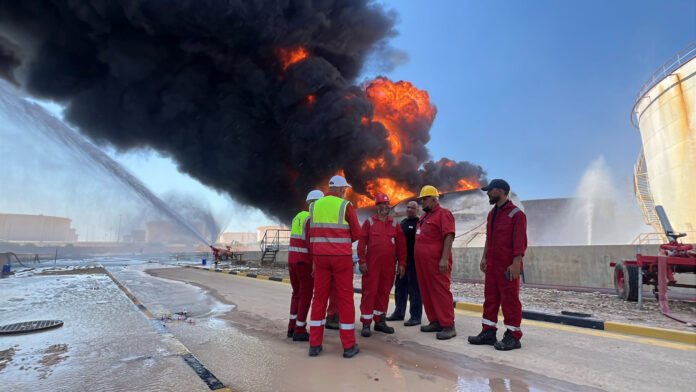
The war’s impact is reverberating far beyond the battlefield. Energy markets remain highly sensitive to developments, particularly around the Strait of Hormuz, a critical chokepoint for global oil supply.
Any disruption to this corridor could trigger severe consequences for global trade and economic stability.
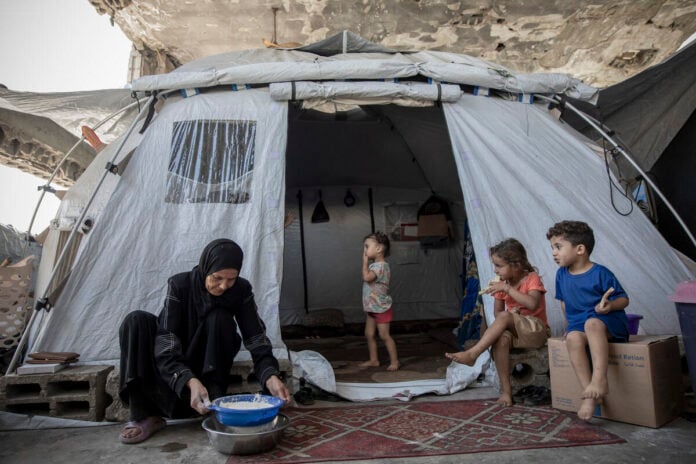
Meanwhile, the humanitarian impact is worsening, with international agencies warning of displacement, infrastructure damage, and growing civilian suffering across the region.
A War Without Clear Limits
As the conflict enters a more volatile phase, the absence of clear limits is becoming increasingly evident.
Military operations continue on both sides, with no indication of de-escalation. Legal and political debates are intensifying, with international criticism growing over the broader implications of the war.
At the same time, covert operations and intelligence-driven strikes are becoming a defining feature of the conflict. Covert strike developments highlight an expanding shadow war alongside conventional military action.
The battlefield now includes airstrikes, economic warfare, and targeted operations, as seen in airstrikes, assassinations, oil war dynamics shaping the conflict.
For now, the war shows no signs of slowing. Instead, it is evolving into a prolonged and unpredictable confrontation with consequences that extend far beyond the region.
In this unfolding crisis, one reality stands out: the impact of Israel attacks Iran is no longer confined to the battlefield. It is reshaping global power dynamics in real time.