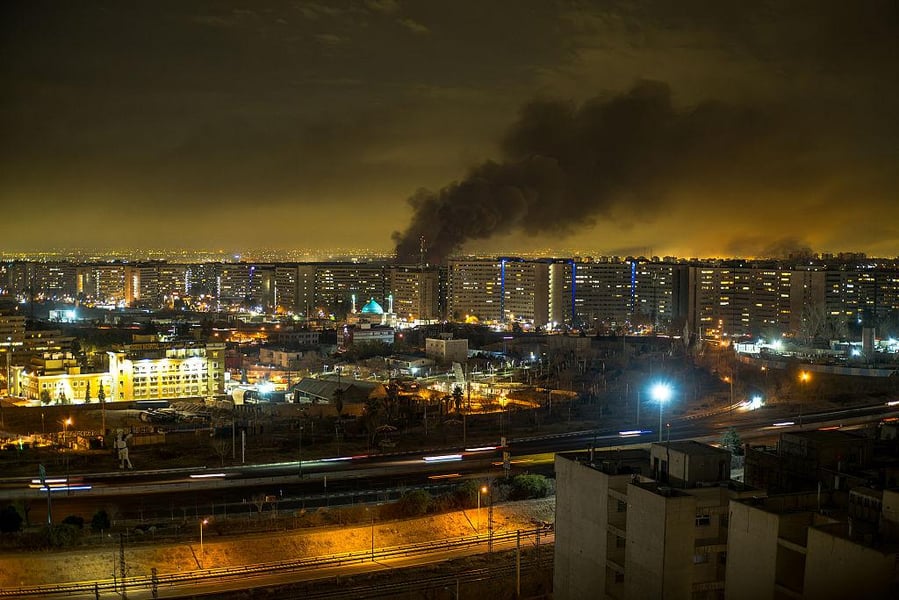

Explosions lit up the night sky over Tehran as Israel expanded its military campaign deep inside Iran, launching a wave of airstrikes that have killed senior officials, ignited critical energy infrastructure, and pushed the Middle East toward what many analysts now warn could become a much larger and uncontrollable war.
The strikes, part of a coordinated US-backed offensive, mark one of the most aggressive escalations in decades between the two regional rivals. What started as targeted attacks on military and nuclear facilities has rapidly evolved into a broader campaign aimed at weakening Iran’s leadership, disrupting its economy, and reshaping the balance of power across the region.
In Tehran, plumes of smoke rose from multiple sites as Israeli aircraft and missiles struck government-linked buildings, security compounds, and strategic infrastructure. Among the targets were institutions tied to Iran’s ruling establishment, including facilities linked to the Revolutionary Guard and state broadcasting networks, signaling a deliberate effort to hit both the military and political core of the Islamic Republic.
The campaign has also been marked by a series of targeted assassinations. Iranian intelligence officials and senior commanders have been killed in rapid succession, underscoring the depth of Israeli intelligence penetration inside the country. In one of the most dramatic escalations, Israel struck top Iranian leaders within hours, indicating a strategy focused not only on military degradation but also on destabilizing internal command structures.
Yet despite these killings, Iran’s internal security apparatus remains intact. Forces such as the Basij militia continue to operate across Tehran, maintaining checkpoints, conducting arrests, and enforcing state control even as airstrikes intensify, reflecting a deeply entrenched system that has proven difficult to dismantle.
Beyond the battlefield in Tehran, the war has taken a decisive turn into what experts describe as an “energy war.” In one of the most consequential attacks so far, Israel struck Iran’s South Pars gas field, the largest natural gas reserve in the world and a cornerstone of the country’s economy. The strike disrupted production and sent shockwaves through global global energy markets.
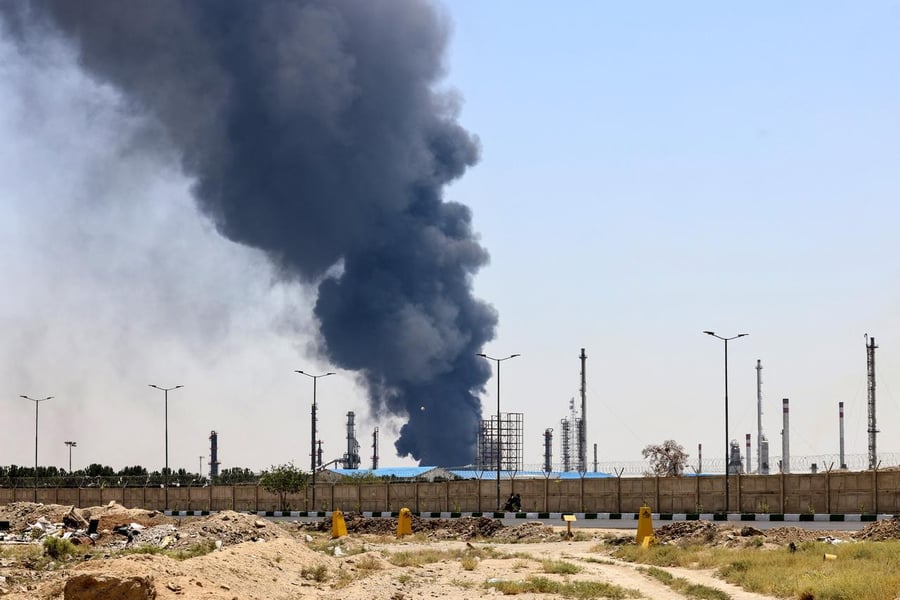
This shift toward energy infrastructure marks a dangerous escalation. The Strait of Hormuz, through which a significant share of the world’s oil passes, has become a focal point of concern. Any sustained disruption could trigger a global economic shock, with ripple effects far beyond the Middle East.
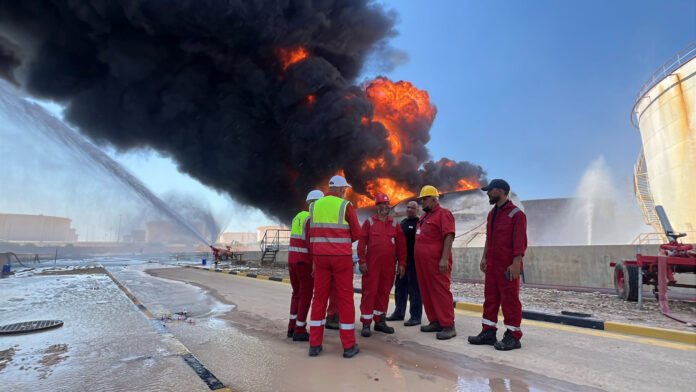
The environmental toll is already becoming visible. Airstrikes on refineries and industrial sites have released toxic pollutants into the air, with fires burning across key energy hubs and raising fears of long-term ecological damage as the conflict intensifies.
At the center of the conflict is a complex and evolving partnership between Israel and the United States. While both countries initially aligned in launching strikes aimed at Iran’s nuclear and missile capabilities, cracks have begun to emerge in their strategic objectives. Washington appears to favor a more limited campaign, while Israel is pursuing a broader effort that includes dismantling Iran’s leadership and economic backbone.
This divergence has become increasingly visible in recent days. Israeli officials have openly discussed reshaping regional energy routes and expanding military operations, suggesting that the war is not only about security but also about long-term geopolitical influence.
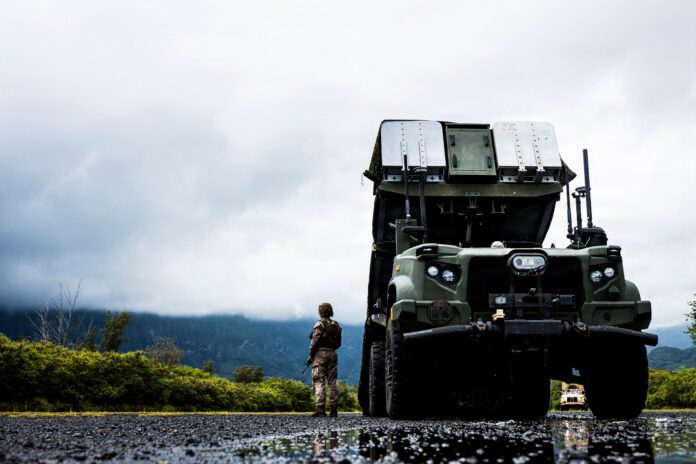
On the ground, however, the situation remains volatile. Iran has demonstrated its ability to retaliate with force, launching waves of missile attacks targeting Israel, US bases, and critical infrastructure across the region.
The conflict has already spread beyond Iran and Israel, drawing in multiple countries across the Middle East. Strikes and counterstrikes have hit locations in the Gulf and beyond, raising the specter of a broader regional war that could engulf key shipping routes, energy hubs, and population centers.
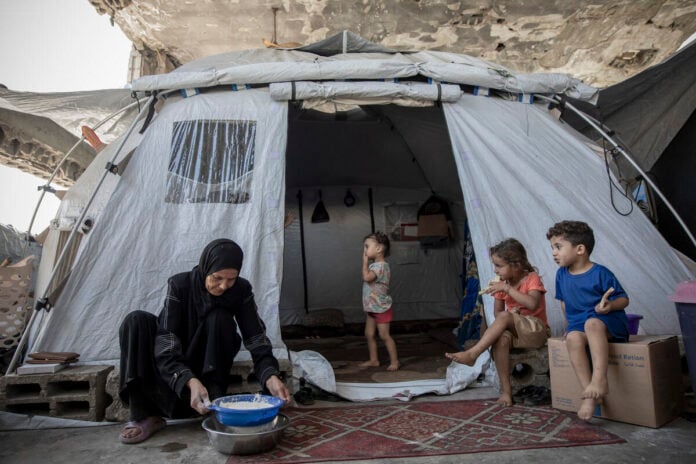
For civilians, the consequences have been devastating. Thousands have been killed or displaced, and critical infrastructure has been damaged or destroyed. Essential services have been disrupted in several areas, highlighting the humanitarian risks of targeting infrastructure in a region already under strain.
Financial markets have responded with volatility. Global equities have wavered as investors react to rising energy prices and geopolitical uncertainty, with analysts warning of prolonged instability if the conflict continues to escalate.
As the war enters its third week, one question looms large: how far will it go? Israeli officials have signaled that operations will continue until their objectives are achieved, even as those objectives appear to expand. Iran, for its part, has shown no sign of backing down, framing the conflict as a fight for sovereignty and survival.
The risk now is not just continued escalation, but miscalculation. With multiple actors involved, overlapping military campaigns, and critical global infrastructure at stake, even a single incident could trigger a chain reaction that pulls the entire region into a wider war.
What began as a series of airstrikes has evolved into something far more complex and dangerous, a conflict defined not only by bombs and missiles, but by assassinations, economic warfare, and the strategic targeting of the systems that power the modern world.
And as oil fires burn and missiles continue to fly, the possibility that this war could expand beyond its current boundaries is no longer a distant fear. It is an increasingly likely reality.