The United Nations has voiced clear opposition to the targeting of Iran’s South Pars gas field, as an escalation in the US-backed Israeli military attack pushes the Middle East deeper into a volatile and unpredictable conflict with global consequences.
Speaking at a press briefing, UN Deputy Spokesman Farhan Haq emphasized that the organization opposes attacks on energy infrastructure, warning that such strikes risk widening the war and endangering civilian populations. His remarks came after reports that Israeli and US forces struck facilities linked to the South Pars gas field and the nearby Asaluyeh industrial zone, a critical hub of Iran’s energy production.
The attack marks a major turning point in the war. For weeks, the conflict had focused largely on military installations, nuclear-related facilities, and high-level personnel. But the strike on South Pars, the world’s largest natural gas field, signals a shift toward economic warfare, targeting the backbone of Iran’s domestic energy system and potentially destabilizing global markets.
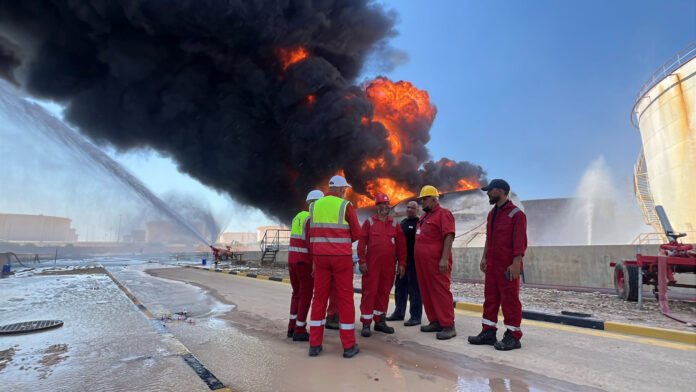
According to multiple reports, the strikes caused fires at processing facilities and storage tanks in Asaluyeh, forcing partial shutdowns of operations. South Pars alone accounts for a vast majority of Iran’s gas production, supplying energy for electricity, heating, and industrial use across the country.
The implications extend far beyond Iran’s borders. Energy analysts warn that damage to South Pars could ripple through global gas and oil markets, particularly given the field’s strategic location near the Strait of Hormuz, one of the world’s most critical energy chokepoints.
Markets reacted swiftly. Oil prices surged sharply following news of the attack, reflecting fears of risk of prolonged instability in one of the world’s most important energy-producing regions. European gas prices also jumped as traders assessed the risk of prolonged disruption.
The United Nations’ response highlights growing international concern over the targeting of civilian infrastructure. Haq stressed that all parties involved in the conflict must avoid strikes on non-military targets, reiterating longstanding principles of international humanitarian law.
“We oppose all such attacks,” he said, underlining the UN’s position that energy facilities, essential for civilian life, should not become battlegrounds.
The escalation follows intensifying hostilities that began on February 28, when the United States and Israel launched coordinated strikes on Iranian territory. Those attacks triggered a cycle of retaliation that has steadily expanded across the region.
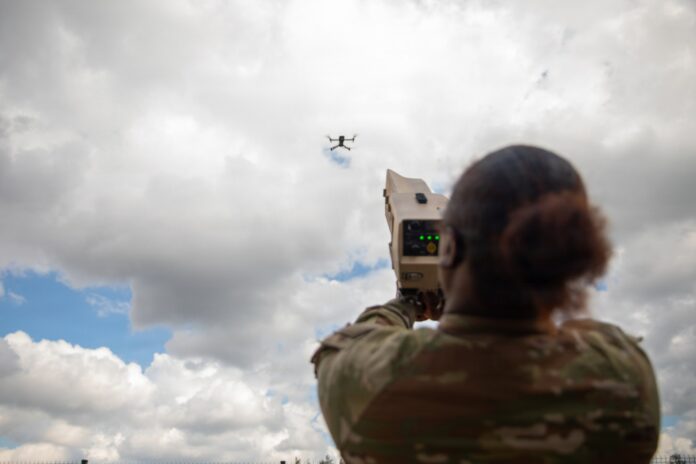
Iran responded with missile and drone strikes against Israeli territory and US military installations, signaling its readiness to escalate further if provoked.
The conflict has since spread to neighboring countries, drawing in regional actors and raising fears of a broader war.
The strike on South Pars represents the first major attack on Iran’s upstream energy production during the conflict — a move widely seen as an attempt to weaken Tehran economically. Analysts say it reflects a shift toward full-spectrum warfare, where economic infrastructure becomes a primary target.
But such a strategy carries significant risks. Iran has already warned of threatened retaliatory attacks on energy infrastructure across the Gulf, including facilities in Saudi Arabia, the United Arab Emirates, and Qatar, escalating fears of a wider regional confrontation.
Tehran’s warnings have heightened tensions across the region, prompting governments to increase security around key energy sites and issue advisories to civilians. The possibility of attacks on shipping routes in the Strait of Hormuz has also raised alarms among international observers.
The strategic importance of South Pars cannot be overstated. Shared between Iran and Qatar, it represents the largest natural gas reserve on the planet. Disruptions to its operations could affect global energy flows at a time when markets are already under strain.
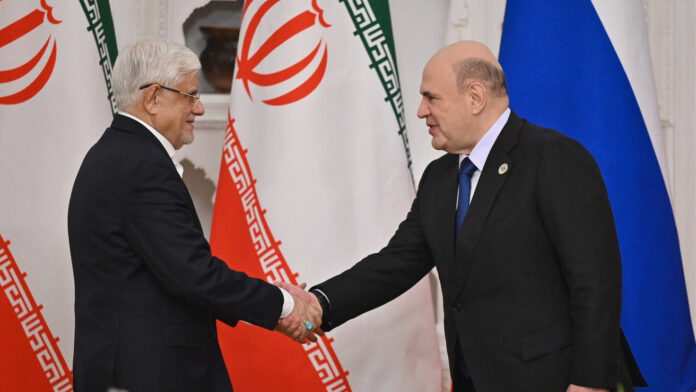
Meanwhile, the geopolitical stakes continue to rise. Russia has condemned the US-Israeli attacks and called for de-escalation, while divisions deepen among Western allies over the long-term consequences of the conflict.
Within Iran, the impact of the war has been profound. The assassination of Supreme Leader Ayatollah Ali Khamenei during the opening phase of the conflict has plunged the country into mourning and heightened domestic tensions.
The targeting of energy infrastructure adds a new and dangerous dimension to that struggle. By striking at the economic foundations of the Iranian state, the conflict risks inflicting long-term damage not only on Iran but also on the global economy.
For the United Nations, the priority remains clear: preventing further escalation and protecting civilian life. But as the conflict intensifies, the ability of international institutions to contain the crisis is being tested.
With both sides showing little sign of backing down, the attack on South Pars may prove to be a defining moment, one that transforms a regional confrontation into a full-scale energy and geopolitical crisis with worldwide repercussions.