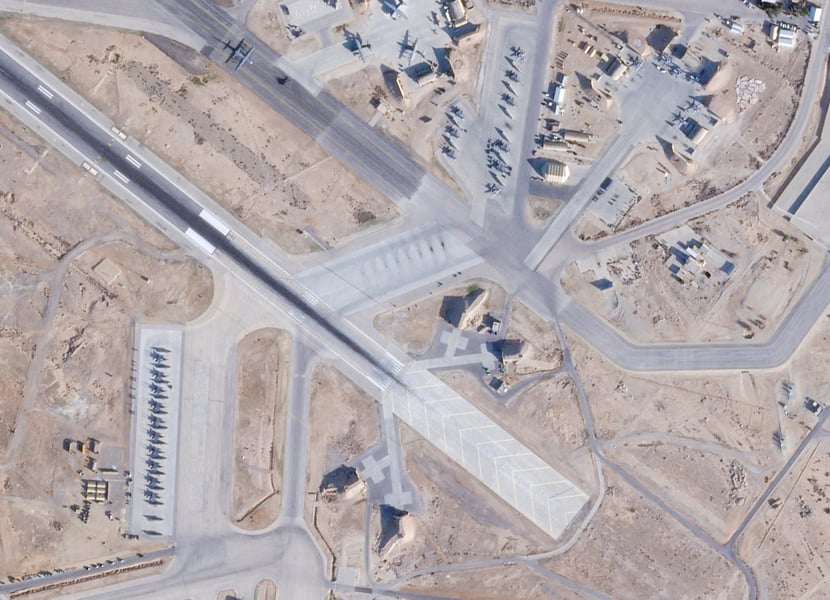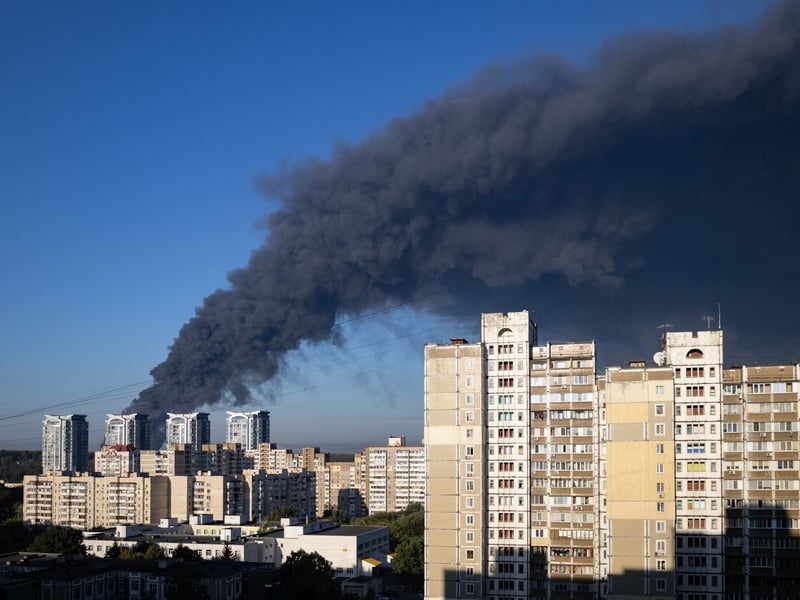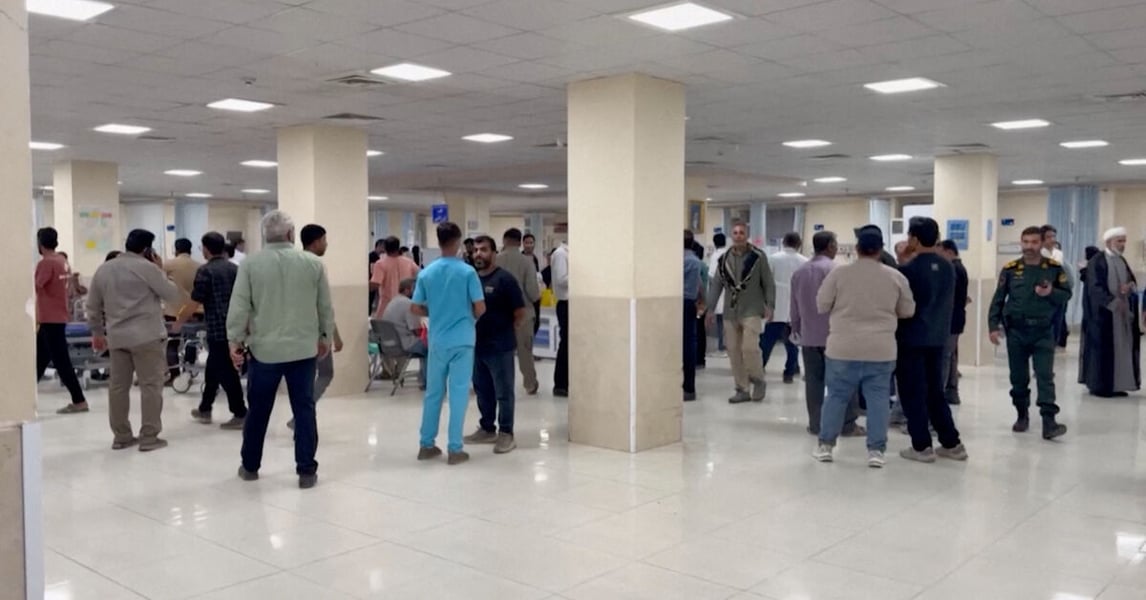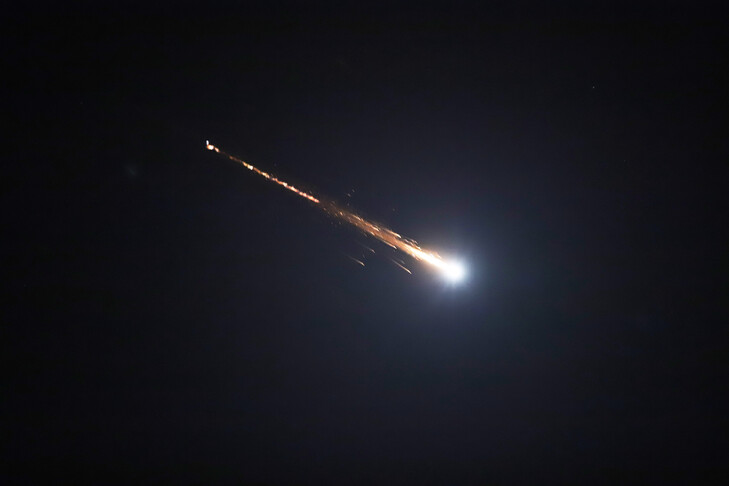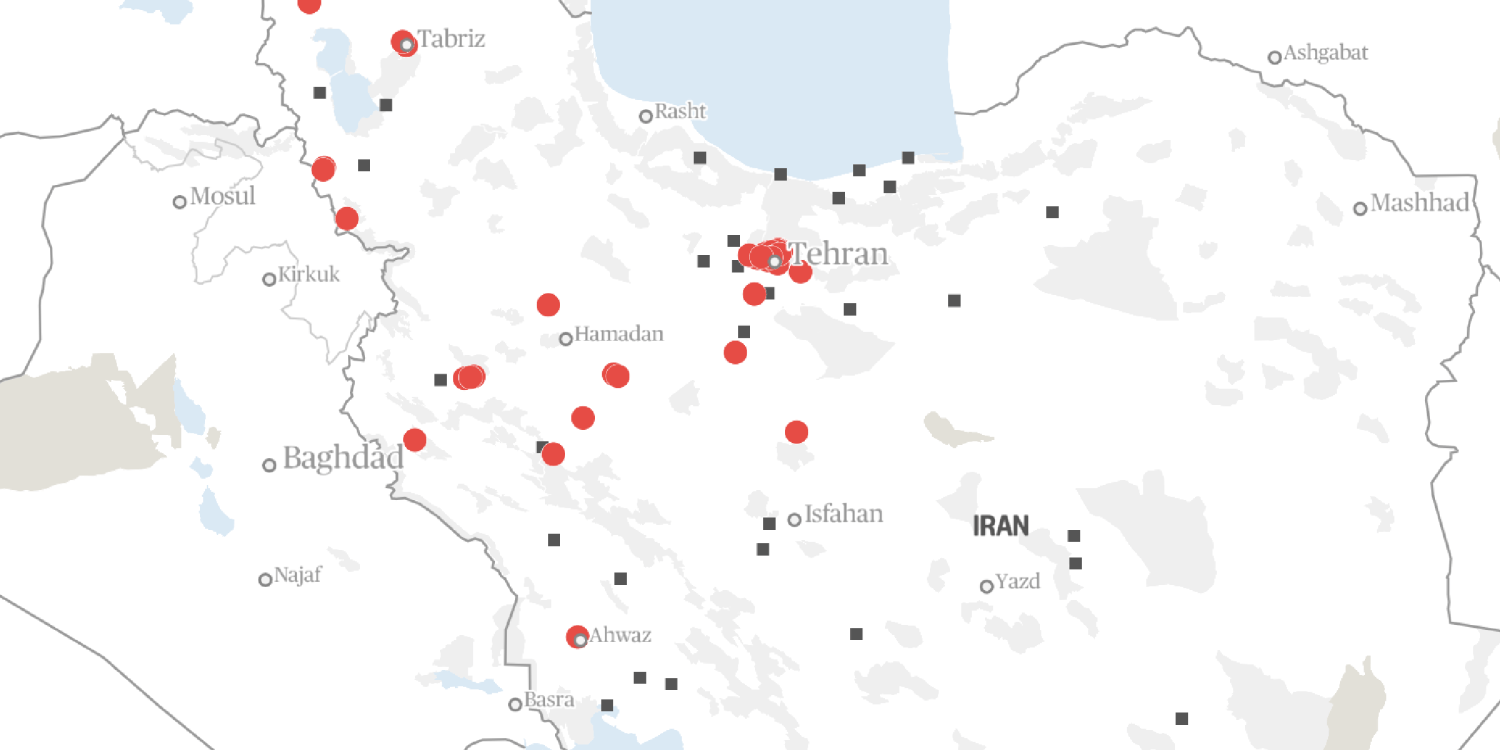

On February 28, 2026, coordinated military strikes by the United States and Israel against multiple targets in Iran triggered a major escalation in Middle East tensions. The offensive drew immediate international reactions, with Russia condemning the action as unjustified aggression and accusing Western powers of fabricating pretexts to legitimize attacks on a sovereign nation.
Russia Condemns the Strikes as Unprovoked Aggression
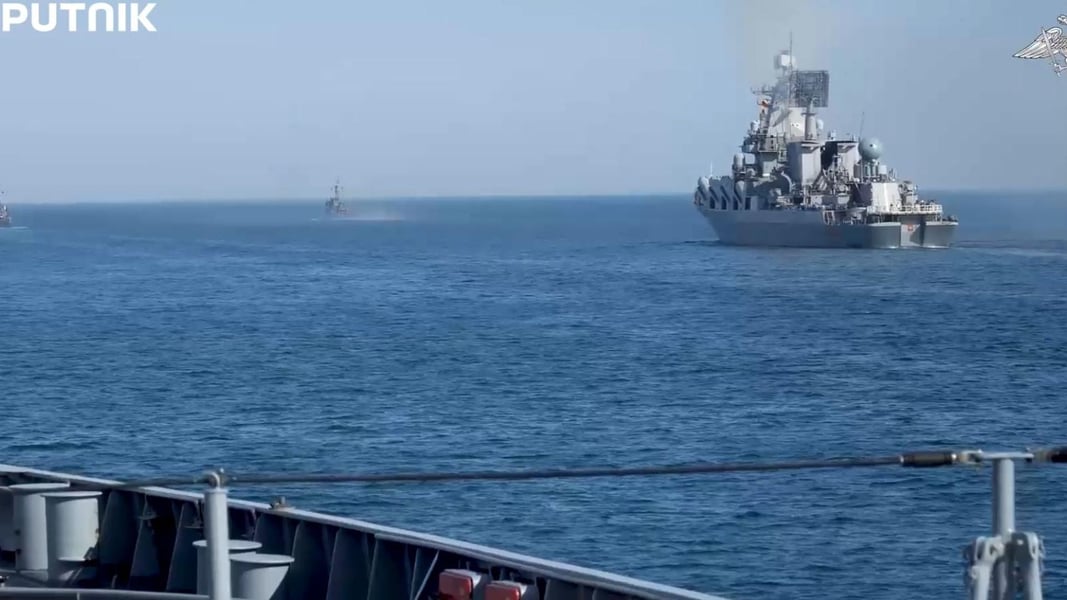
Russia’s Foreign Ministry characterized the United States and Israel’s joint military operation against Iran as “a preplanned and unprovoked act of armed aggression” against a sovereign U.N. member state. Moscow accused Washington and Tel Aviv of using concerns about Iran’s nuclear program as a pretext for a broader agenda that undermines international law and regional stability. This denunciation was one of the strongest official statements Moscow has issued in recent years regarding Western military operations. US and Israel claim to kill Iran’s Supreme Leader during recent strikes, highlighting the depth of escalation.
According to reporting, Russia warned that the offensive risked triggering humanitarian, economic, and potentially radiological consequences that could reverberate throughout the Middle East. The Kremlin emphasized its opposition to unilateral military actions that bypass established diplomatic channels and the United Nations. Iran launched missiles toward Qatar and US bases in one of the most overt escalations since the conflict expanded.
United Nations and Calls for De-escalation
The United Nations Secretary-General issued a statement condemning the violence and urged an immediate cessation of hostilities. He emphasized that the use of force without broad international authorization undermines global peace and security and called for all parties to return to diplomatic negotiations. Many international actors urged restraint and renewed engagement to avert a broader regional conflict.
Several European governments also reacted, urging an end to the fighting and a renewed push for dialogue. Leaders in Germany, France, and the United Kingdom expressed concern over civilian safety and reiterated the need for negotiations to prevent a wider regional conflict. The global response underscored sharp divisions in how Western and non-Western capitals view the legitimacy and consequences of the strikes. Iraq’s Nujaba Movement declared full support for Iran, warning of broader confrontation if hostilities continue.
Iran’s Retaliation and Claim of Self-Defense
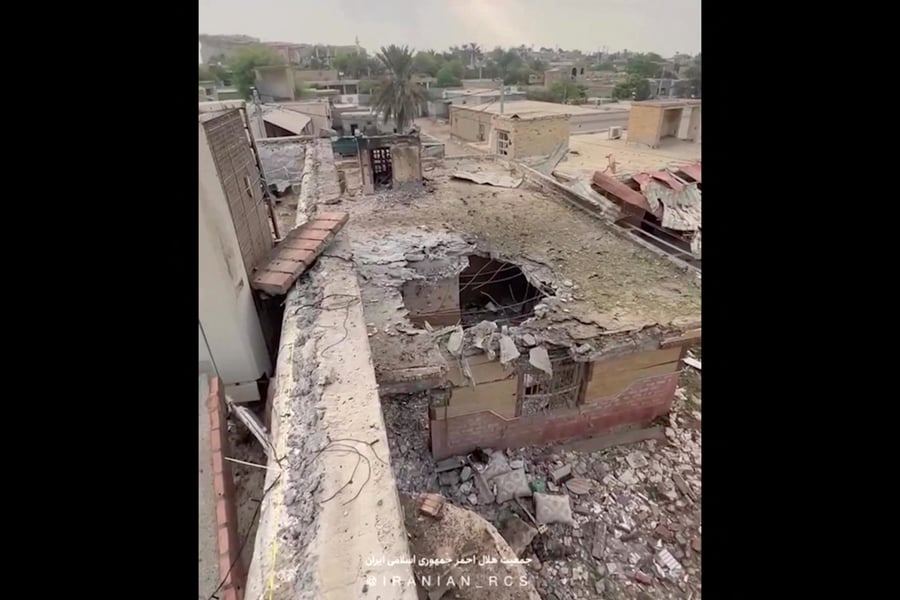
In response to the strikes, Iranian military forces launched a series of missile and drone attacks targeting positions associated with the US and Israeli military presence in the region. Iranian officials described their actions as lawful self-defense under Article 51 of the United Nations Charter and vowed continued resistance until foreign forces cease hostile operations. Iranian state statements made clear that they would consider further strategic retaliation if the offensive continued.
Global Reactions Reflect Deep Divisions
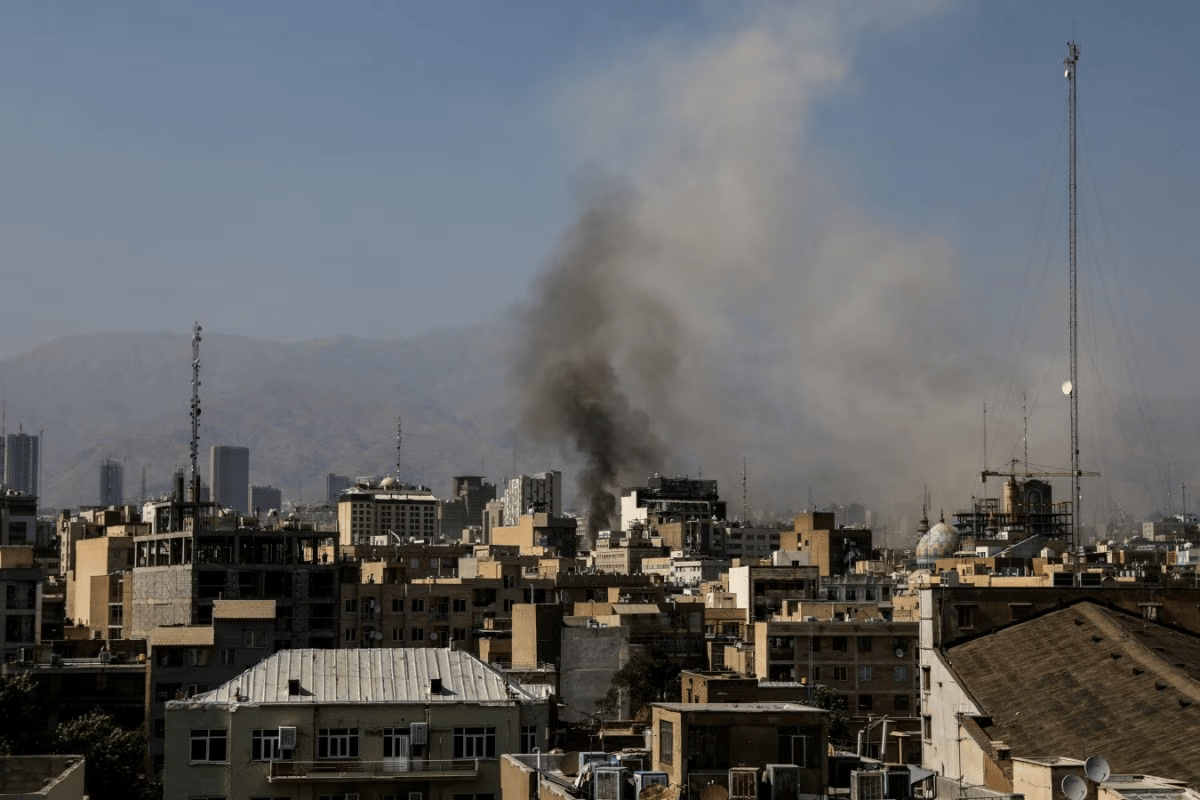
Reactions from world capitals were sharply divided. Some governments condemned the strikes and called for an immediate halt to the violence, while others supported the United States’ and Israel’s right to defend themselves against perceived security threats. Several Middle Eastern nations, including Gulf states, stressed the need to avoid further escalation that could destabilize the region.
International organizations and civil society groups also voiced concern about the impact on civilians and the disruption of diplomatic efforts that were underway before the offensive began. Reports emerged of disruptions to commercial air travel and heightened security alerts across multiple countries due to the fear of retaliatory attacks. The intensity of these reactions demonstrates how deeply divided the international community has become over the legitimacy and consequences of these military actions.
Legal and Geopolitical Implications
From Moscow’s perspective, the justification offered by Washington and Jerusalem for the military operation lacks credible legal grounding and amounts to a politically motivated narrative. Russian officials argue that the Western narrative of imminent threat was constructed to obscure a broader strategy of exerting military influence and undermining diplomatic negotiations.
Analysts note that this crisis pits major powers against each other within international institutions, testing the effectiveness of multilateral mechanisms designed to prevent and resolve armed conflict. The reactions from global actors reflect not only immediate security concerns but also long-standing tensions over the interpretation and application of international law.
The joint United States and Israeli military operation against Iran has triggered a complex international response, highlighting deep geopolitical divisions and raising critical questions about the legitimacy of unilateral military actions. Russia’s condemnation of the strikes as unjustified aggression underscores a broader contest over influence and the future direction of international security norms.
Related Posts