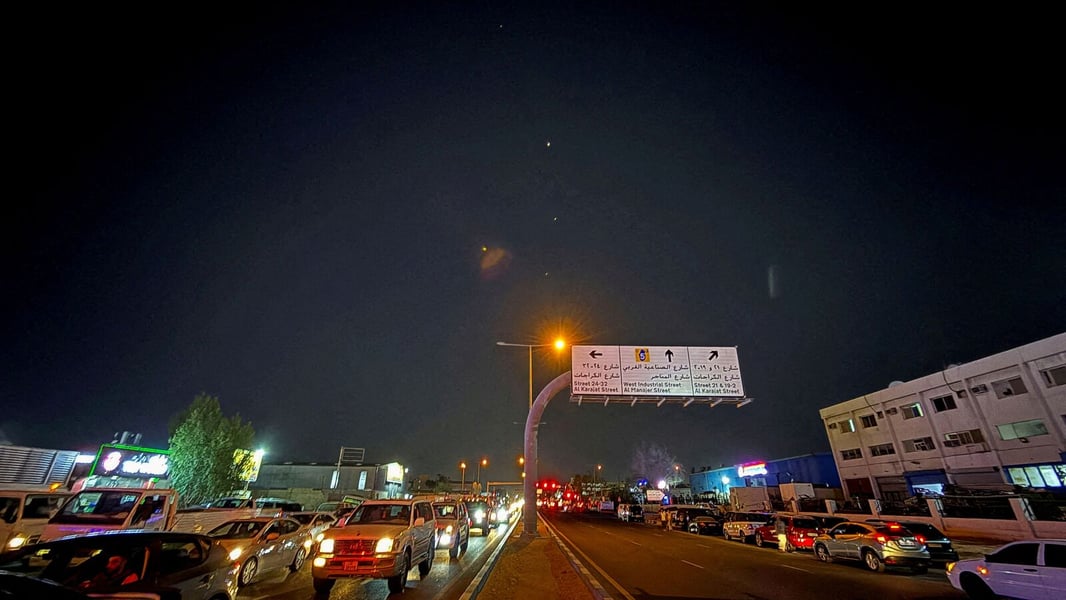

Iran launched 65 missiles toward Qatar late Friday, with two projectiles impacting the US-operated Al Udeid Air Base, according to Iran’s Defense Ministry, marking one of the most overt and dangerous escalations between Tehran and Washington in years.
The strike, described by Iranian officials as a direct response to recent US and Israeli military actions against Iranian targets, represents a dramatic widening of a conflict that had largely unfolded through proxy forces and limited engagements. By targeting Al Udeid — the largest US military installation in the Middle East — Tehran signaled that the confrontation has entered a more direct and volatile phase.
Qatari authorities confirmed missile activity over their airspace and said regional air defense systems were activated, though they did not immediately release a full assessment of structural damage. US officials acknowledged that missiles were launched toward the base and said defensive systems intercepted the majority of incoming projectiles. No casualties were immediately reported.
A Strategic Target at the Heart of US Operations
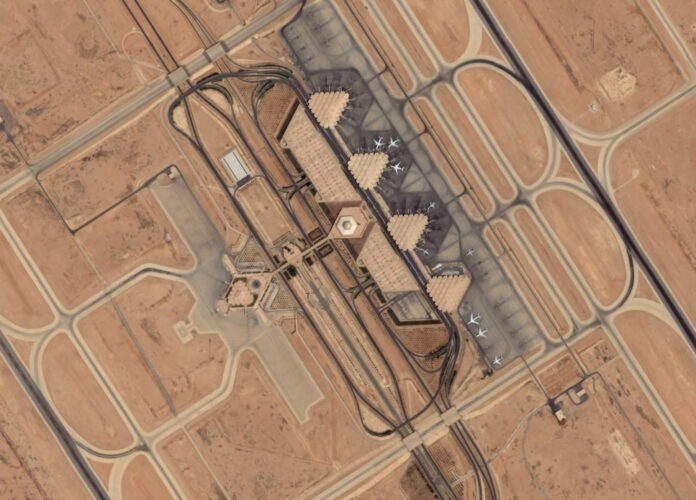
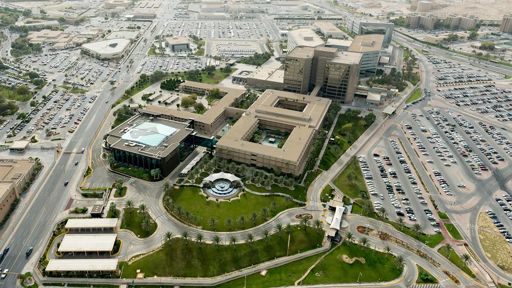
Al Udeid Air Base, located southwest of Doha, serves as the forward headquarters of US air operations across the Middle East. The installation hosts thousands of American and allied personnel and functions as a critical logistical and operational hub supporting missions from the Arabian Peninsula to the Levant.
Military analysts describe the base as indispensable to US force projection in the region. Advanced fighter aircraft, reconnaissance systems, aerial refueling assets and command infrastructure are stationed there, allowing Washington to coordinate air campaigns and rapid response operations across multiple theaters.
By directing missiles toward Al Udeid, Iran targeted a symbol of American military reach and regional dominance. Even limited damage to such a facility carries strategic weight, as it tests both US defensive capabilities and the broader security architecture built around Gulf allies.
Tehran’s Message
In a statement broadcast on state television, Iran’s Defense Ministry characterized the 65-missile launch as a “measured and proportionate response” to what it called violations of Iranian sovereignty. Officials emphasized that the operation was aimed exclusively at military infrastructure and not at the Qatari state or civilian areas.
The scale of the volley underscores Tehran’s evolving missile doctrine. Over the past decade, Iran has invested heavily in expanding and modernizing its ballistic missile arsenal, viewing it as a central pillar of deterrence against superior Western air power.
Defense experts note that publicly disclosing the number of missiles launched serves both domestic and international signaling purposes. Domestically, it reinforces the image of resolve. Internationally, it conveys capability and willingness to escalate when red lines are crossed.
Washington’s Calculus
In Washington, senior national security officials convened emergency consultations to assess the scope of the attack and potential responses. A Pentagon spokesperson confirmed that defensive systems engaged incoming missiles and that damage assessments were ongoing.
The White House stopped short of outlining immediate retaliatory measures but stated that the United States would take “necessary steps” to protect its forces and interests in the region.
The situation presents a difficult balancing act for US policymakers. A forceful counterstrike could restore deterrence but risks triggering a wider regional war. A restrained approach, however, may embolden adversaries who interpret caution as weakness.
Regional Reverberations
The missile barrage sent shockwaves across the Gulf. Saudi Arabia, the United Arab Emirates and Bahrain heightened security around key installations. Commercial aviation routes were adjusted as a precaution.
Oil prices climbed in early trading amid fears that further escalation could threaten shipping lanes or energy infrastructure in the Gulf, through which a significant share of global petroleum exports transit.
International leaders urged restraint as reports of the missile barrage spread. European officials called for dialogue and emphasized adherence to international law. Russia and China stressed the importance of diplomatic engagement and warned against further military escalation.
Qatar’s Delicate Position
Qatar now finds itself in an uncomfortable and precarious position. The Gulf state hosts the largest US military installation in the region while maintaining working diplomatic relations with Tehran. Officials emphasized Qatar’s commitment to regional stability and dialogue, underscoring its longstanding efforts to act as a mediator in regional disputes.
Much now depends on verified damage assessments and the political choices made in Washington and Tehran. If structural damage proves limited and casualties remain absent, both sides may claim strategic success and step back from the brink.
If, however, new information reveals deeper impact or casualties, pressure for retaliation could intensify rapidly. For now, the Gulf remains tense, its skies quieter than they were hours ago, but its strategic horizon clouded by uncertainty.