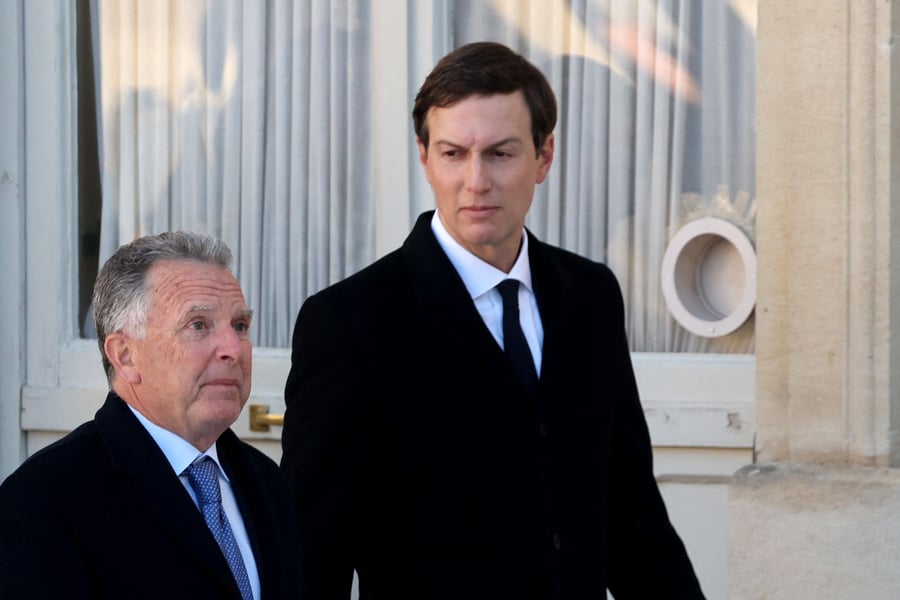

KYIV — For months, Steve Witkoff and Jared Kushner made the trip to Moscow. They met with Vladimir Putin and Russian officials, confirmed as regular guests of the Kremlin in a conflict the Trump administration has insisted it could resolve. What they did not do was go to Kyiv. That is about to change. Or so Zelensky says.
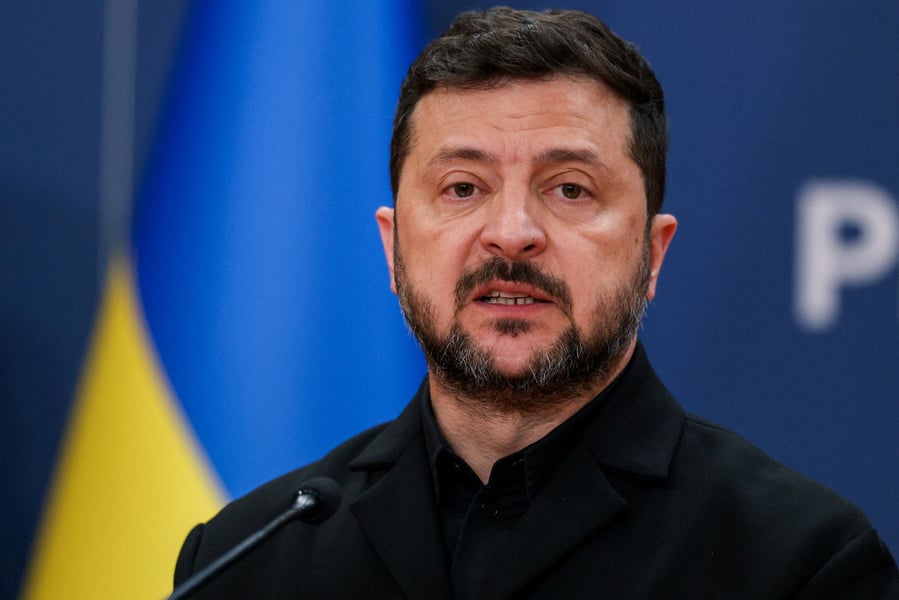
Ukrainian President Volodymyr Zelensky said Thursday that Trump’s two principal envoys on the Ukraine conflict have confirmed they will visit the Ukrainian capital in the coming days, following a meeting in Moscow. “We expect to see the U.S. President’s envoys here in Kyiv,” Zelensky wrote on Telegram. “They confirmed they will have a meeting in Moscow and another one in Kyiv. We expect the latter to take place in the coming days.”
The sequencing matters. Witkoff and Kushner arrive in Moscow first, then Kyiv. It is, structurally, shuttle mediation: American intermediaries carrying whatever Moscow tells them to the Ukrainian capital, and carrying whatever Kyiv says back. What the envoys will bring from their Moscow conversation, and whether it constitutes a new offer or a reiteration of previous Russian positions, is not known.
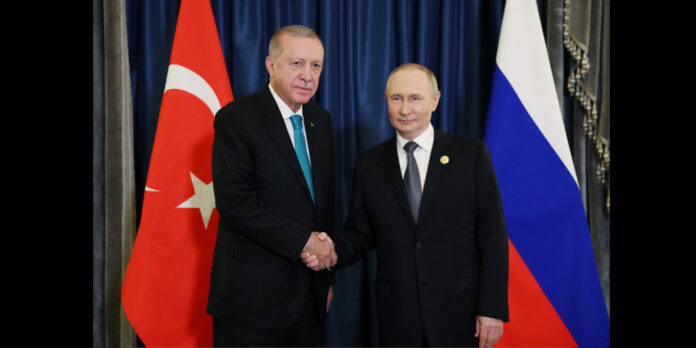
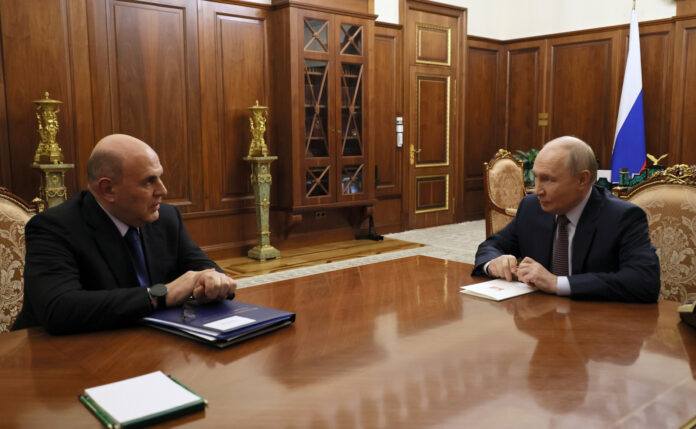
Putin’s characterization of the process, as of Tuesday, is that negotiations are “frozen.” In the same remarks, he added that Moscow remains ready for talks “with anyone willing to engage” and described Witkoff and Kushner as “always welcome guests in Russia,” a formulation that functions less as a diplomatic concession than as an advertisement for Russian patience. The Kremlin is not in a hurry, and has said so.
Zelensky’s Thursday statement does not dispute the frozen characterization. It simply asserts that a meeting is coming. Whether it represents forward movement or the managed maintenance of a standstill, neither Kyiv nor Washington is saying clearly. Zelensky added that Ukraine is ready to receive the envoys at the appropriate level, asserting readiness without specifying the format or agenda of the meeting.
The August context deepens the uncertainty. CIA Director John Ratcliffe made a rare secret visit to Moscow last month, the first intelligence-level contact of its kind in years, as peace talks appeared to stall. What Ratcliffe discussed with Russian officials was not disclosed. His visit coincided with a period in which US diplomatic focus had shifted toward the Iran conflict, drawing bandwidth away from Ukraine and leaving the file largely with Witkoff and Kushner. Whether the CIA director’s Moscow trip and the envoys’ forthcoming itinerary are coordinated elements of a renewed diplomatic push is unclear from Kyiv.
The July round of negotiations produced a similar pattern: the Kremlin confirmed meetings had taken place, revealed nothing of their content, and Ukrainian officials responded with public readiness and private skepticism. US Treasury Secretary Scott Bessent’s concurrent discussions with Moscow on economic aspects of a potential peace framework add another thread to the diplomacy without clarifying its direction.
An unnamed Ukrainian official familiar with the discussions offered a caution that Zelensky’s public statement did not: the Kyiv visit may not materialize. Tentative dates have been set, the official told the Kyiv Independent, but the envoys had been expected to visit earlier in September before postponing. The visit is close enough for Zelensky to announce publicly, and uncertain enough for someone who knows the process to say so quietly.
What a Kyiv meeting can achieve that Moscow meetings have not is the question none of the statements answer. Ukraine’s position is settled: no territorial concessions under fire, security guarantees before any ceasefire framework, a Russian withdrawal consistent with Ukrainian sovereignty. Russia has rejected each of those premises throughout the Russian operation in Ukraine. The envoys arriving in Kyiv does not close that gap. What it might do, at best, is establish whether there is anything behind Putin’s stated readiness to talk that extends beyond verbal openness to pressure.
That test has not been conducted, because Witkoff and Kushner have not gone to Kyiv. They are, by Zelensky’s account, about to. Whether what they carry from Moscow makes the meeting something more than a courtesy round of shuttle diplomacy is what the coming days will determine, and what Zelensky’s carefully calibrated statement declines to predict.