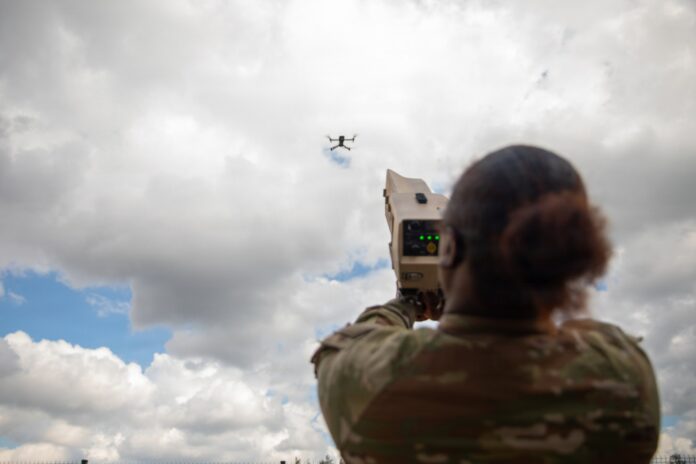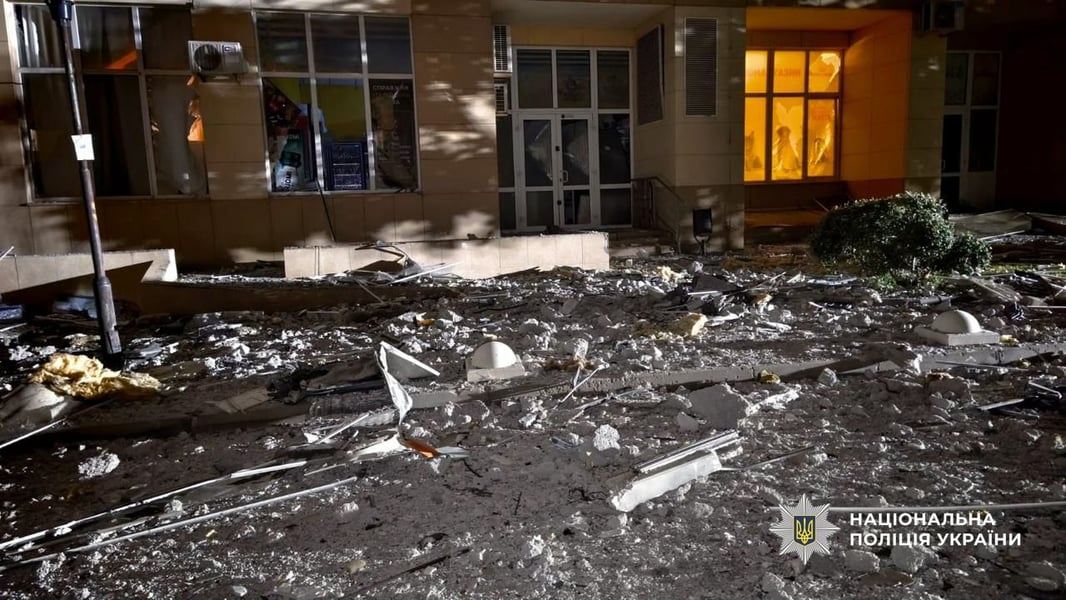

KYIV — On the same night Russia struck Kyiv for the seventh consecutive time, Moscow’s two main airports were canceling hundreds of flights because Ukrainian drones had made the airspace above Russia too dangerous to fly through. The symmetry was deliberate on Ukraine’s side, and it is beginning to register in ways that Russia’s bombardment of Ukrainian cities has not yet reversed.
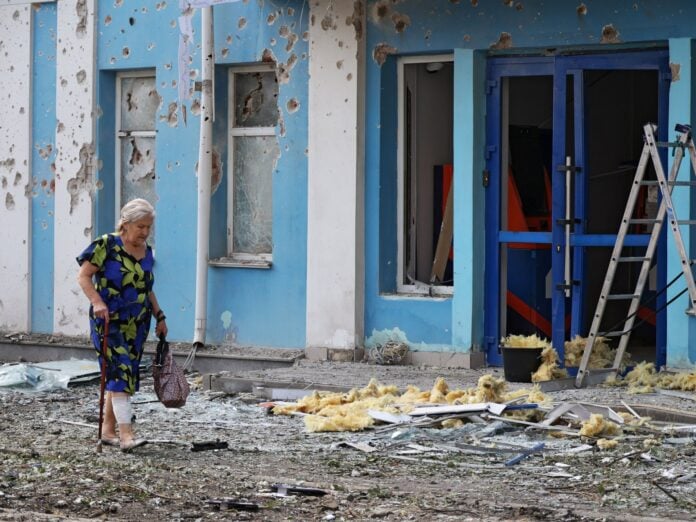
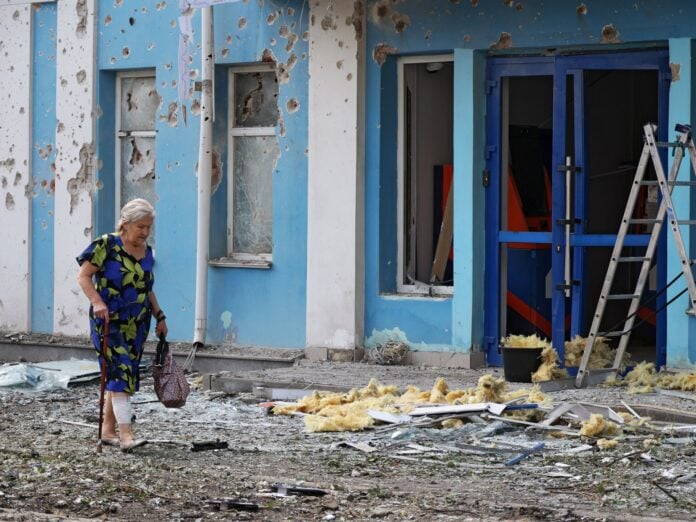
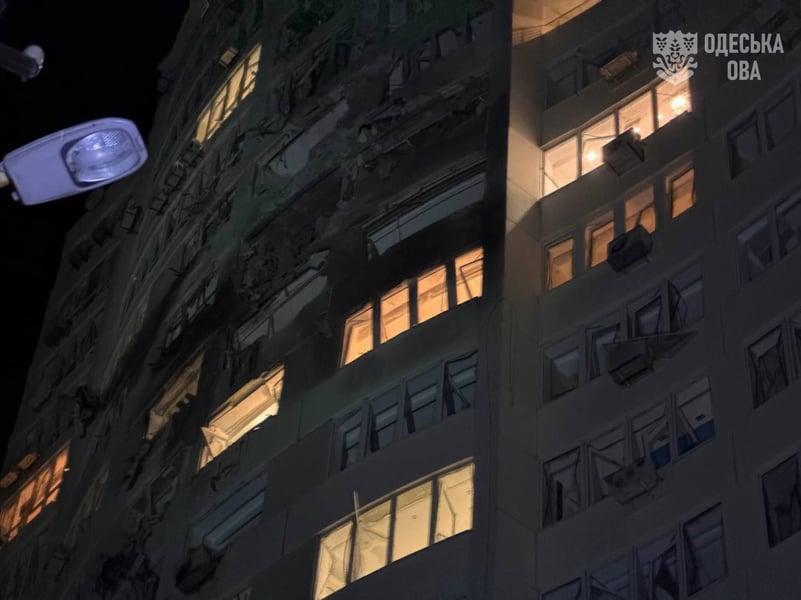
Russia launched another wave of drone attacks against Kyiv and southern Ukraine overnight on September 2-3, the seventh straight night of strikes on the capital. In Odesa, Oleh Kiper, the regional governor, reported the assault wounded 17 people, including three children, and damaged 20 apartments on the upper floors of a residential building along with a dozen vehicles in the surrounding area. Mayor Vitali Klitschko of Kyiv said air defense units were actively working to repel the incoming drones and urged residents to take shelter. Residents spent another night underground, waiting for the all-clear.
Ukraine’s answer to that campaign has been playing out over Russian skies with equal persistence. President Volodymyr Zelensky announced September 1 that Russian airspace would be de facto closed to civilian aviation because of the scale of drone operations Kyiv has been running. “There will simply be drones in Russia’s skies on a scale that has to be taken into account,” Zelensky said, issuing a warning to every airline still routing flights over Russian territory.
The practical response was almost immediate. Russia’s Federal Air Transport Agency, Rosaviatsia, imposed what it called temporary flight restrictions across the Moscow region. Vnukovo Airport canceled 22 flights and delayed 94 on September 2. Sheremetyevo Airport, Russia’s busiest international hub, canceled 21 flights and delayed 235 more. Turkey’s Pegasus Airlines, one of the carriers that had continued using Russian airspace when Western operators largely withdrew, suspended overnight services before quietly resuming normal operations.
The numbers are not an accident of scheduling. They reflect something Ukraine’s Security Service, the SBU, has been engineering since it launched Operation Carpet in spring 2025: a sustained campaign of long-range drone operations designed to make Russian civil aviation functionally unreliable as a transit corridor. Ukraine, which lacks ballistic missiles in the numbers Russia can deploy, has treated long-range drones as a strategic substitute. What began as pressure on Russian military infrastructure has expanded to civilian airspace, with the explicit goal of raising the cost of the Russian operation in ways ordinary Russians and international airlines can directly feel, as the Kyiv Independent documented in its coverage of the airport disruptions.
Whether that pressure is changing anything in Moscow’s calculus over Ukraine is the question both sides are leaving conspicuously unanswered. Russia has not reduced the tempo of its Kyiv strikes in response. The seven consecutive nights suggest Moscow has settled into a rhythm of sustained air pressure intended to exhaust Ukrainian air defenses that have been stretched thin through what has become the deadliest summer for Ukrainian civilians since the Russian operation began, the Kyiv Independent reported in its coverage of the overnight strikes.
Ukraine’s air defense shortage has become the central vulnerability in that dynamic. Zelensky introduced a new two-tier alert system, with red and yellow classification levels, as an institutional response to an air threat environment that no longer distinguishes reliably between military and civilian targets. The cost of sustained interception operations, including maintaining and replacing systems, has put countries supplying Ukraine with military support under renewed pressure. Estonia’s defence minister resigned this week after a procurement scandal over faulty artillery shells intended for Ukrainian frontlines, a reminder of how directly European supply chains underpin Ukraine’s ability to fight in the air.
Russia has positioned its air campaign as leverage toward terms it considers acceptable: a settlement that would include permanent limits on Ukraine’s sovereignty over its own security arrangements. Kyiv has positioned its drone campaign against Russian airports as a demonstration that the war’s costs are not exclusively Ukrainian to bear. Neither framing has produced movement. Putin has publicly ruled out talks with what he describes as a “terrorist” government, and Ukraine’s conditions for any settlement remain incompatible with the current state of Russian-controlled territory.
What has changed is the texture of daily life in both capitals, and the calculation of third parties who once treated Russian airspace as a reliable corridor for commercial aviation. Kyiv residents have spent seven consecutive nights in shelters, listening to air defense systems work overhead. Moscow passengers have spent two days rerouting itineraries and waiting in terminal halls. Neither population is deciding how the war ends. But both are absorbing costs that will not quickly reverse, whatever their governments choose.