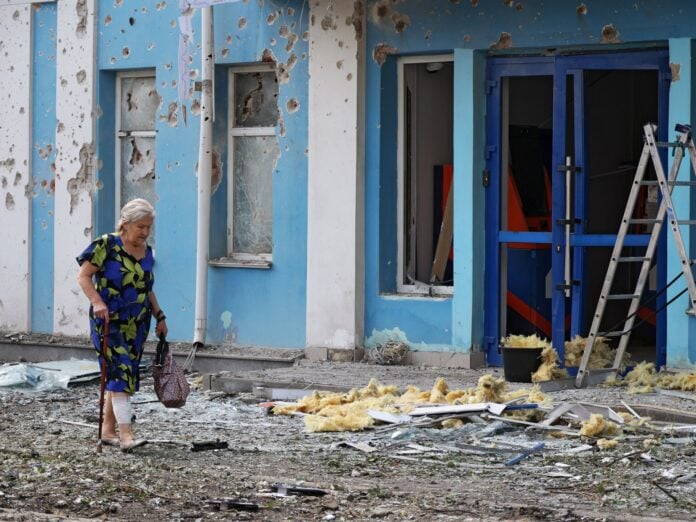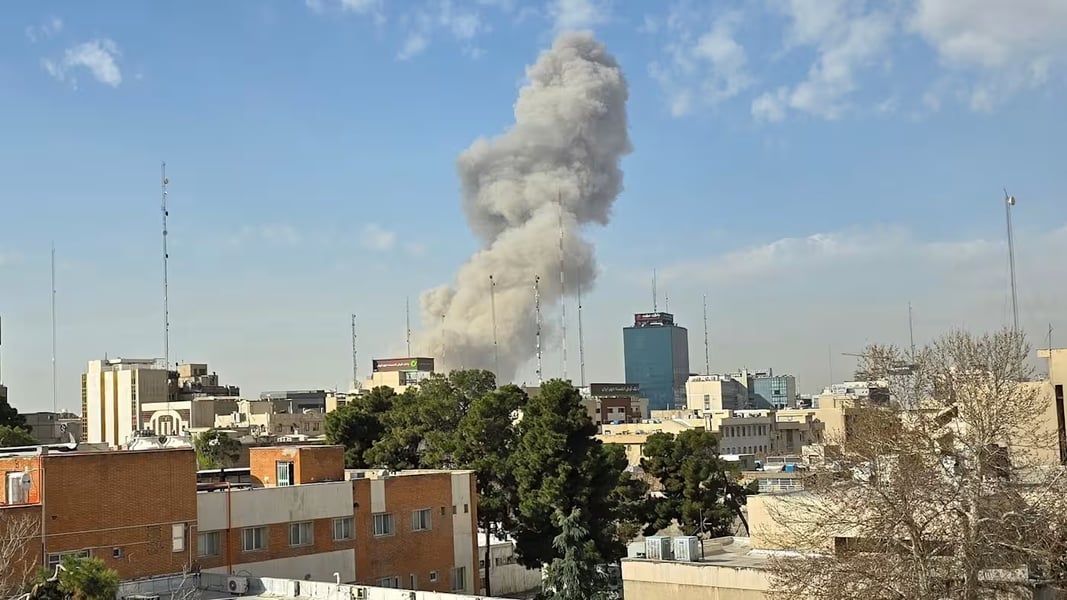

In a stunning escalation that has pushed the Middle East to the brink of a regional conflagration, the US and Israeli regimes claimed late Friday that joint air and missile strikes on Tehran killed Iran’s Supreme Leader, Ayatollah Ali Khamenei, during a sweeping assault on military and strategic sites across the Iranian capital.
Reuters reported that Israeli officials claimed there were strong indications the Supreme Leader had been present at one of the targeted compounds. As of early Saturday, there was no independent international verification of his death, and Iranian state media stopped short of acknowledging any such loss. Instead, officials in Tehran described the claims as psychological warfare and vowed a historic response to what they called an act of open aggression.
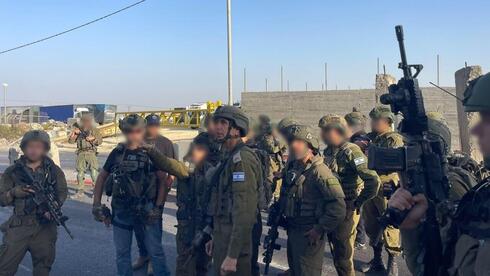
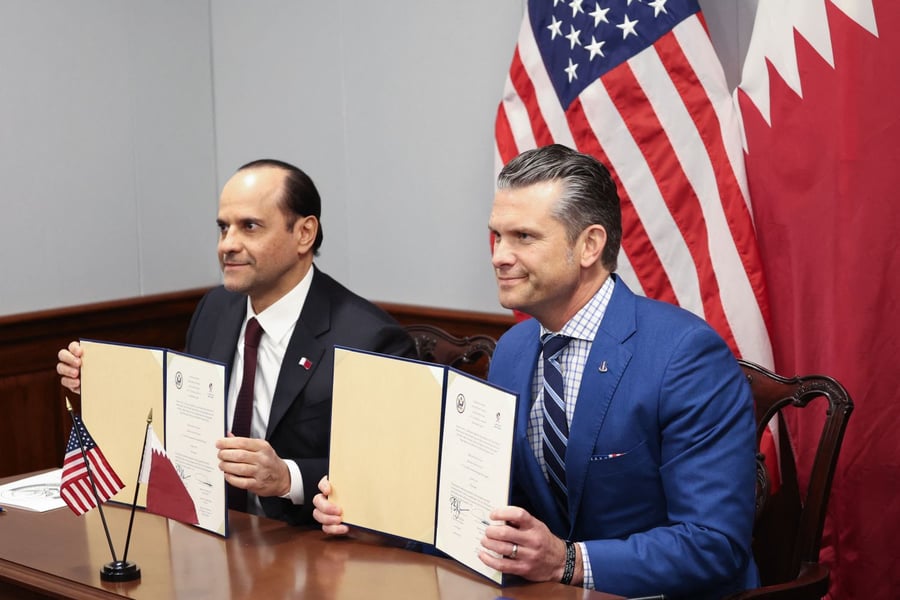
The strikes, part of what Israeli military officials described as a coordinated campaign targeting Iran’s command infrastructure, marked the first time the US has directly joined Israel in overt attacks on Iranian territory at this scale. The Pentagon confirmed US participation in the operation but declined to detail specific targets.
A Direct Strike at the Heart of Power
Israeli officials stated that precision munitions struck high-value leadership sites in Tehran. The claim that the operation may have eliminated Iran’s top authority comes amid growing speculation following the earlier report that US and Israel claim to kill Iran’s Supreme Leader during the recent bombardment.
Ayatollah Khamenei, who has led Iran since 1989, occupies the apex of the country’s political and military hierarchy. Iran’s constitutional structure gives sweeping authority to the Supreme Leader, placing him above the presidency, parliament, and judiciary, and granting oversight of the armed forces and key security institutions.

Tehran’s Immediate Response
Within hours of the announcement, Iran launched retaliatory strikes toward Israeli territory. Air defense systems were activated, and regional military installations heightened readiness levels. Iranian officials described their response as calibrated but warned that further action remained possible.
The Iranian Foreign Ministry condemned the assault as a violation of international law and sovereignty under the UN Charter, arguing that the joint attack constituted an unlawful act of aggression.
Crowds gathered overnight in parts of Tehran, chanting slogans and demanding a decisive response. Analysts say the strikes may strengthen internal cohesion at a moment of extraordinary external pressure.
The Strategic Backdrop
The escalation follows months of intensifying confrontation. Earlier analysis of the US–Iran war posture highlighted expanding military deployments, hardened rhetoric, and growing proxy tensions across the region.
Political rhetoric in Washington had also sharpened in recent weeks. Statements reflecting regime change rhetoric against Iran fueled concerns that diplomatic channels were narrowing even before the first missiles struck Tehran.
For decades, Israel and Iran have confronted each other through indirect engagements, covert operations, and cyber conflict. A direct and coordinated large-scale assault on Tehran represents a decisive rupture in that shadow war.
Regional Shockwaves
The immediate regional reaction was swift. Gulf states increased defensive postures. In Lebanon, political and armed factions aligned with Iran condemned the attack and signaled solidarity with Tehran. Iraqi groups warned that US military installations could become targets if escalation continues.
Energy markets responded sharply. According to the International Energy Agency, roughly a fifth of global oil supplies transit the Strait of Hormuz, amplifying fears of disruption in the event of broader conflict.
Critics of Washington argue that the operation reinforces patterns seen in Washington’s support for Israel in Gaza, further entrenching perceptions of double standards in international conflict.
Legal and Strategic Ramifications
If independently confirmed, the killing of a nation’s highest authority through foreign military action would mark a historic escalation with profound legal consequences. Scholars note that targeted killings beyond active battlefields remain deeply contested in international jurisprudence.
The United Nations Security Council convened emergency consultations, while Russia and China called for immediate de-escalation. European governments urged restraint amid fears that tit-for-tat retaliation could spiral into sustained regional warfare.
Strategically, leadership removal can produce unpredictable outcomes. Some analysts argue it could destabilize command structures; others suggest it may consolidate internal unity against external threats.
The Fog of War and What Comes Next
As of this writing, independent confirmation of Ayatollah Khamenei’s death has not been publicly presented. Satellite imagery analysis, diplomatic backchannels, and official statements in the coming hours may clarify the situation.
Several escalation pathways now loom:
- Limited but sustained retaliatory exchanges.
- Expansion of conflict through regional allies.
- Direct and prolonged confrontation drawing in additional global powers.
- Emergency diplomatic intervention aimed at halting further escalation.
What is certain is that the threshold has shifted. Whether this moment becomes the spark of a prolonged regional war or remains a contained but volatile confrontation now depends on decisions taken in Washington, Tel Aviv, and Tehran in the hours and days ahead.
The world is watching closely as events unfold, aware that the consequences of this unprecedented escalation may reshape the strategic balance of the Middle East for years to come.