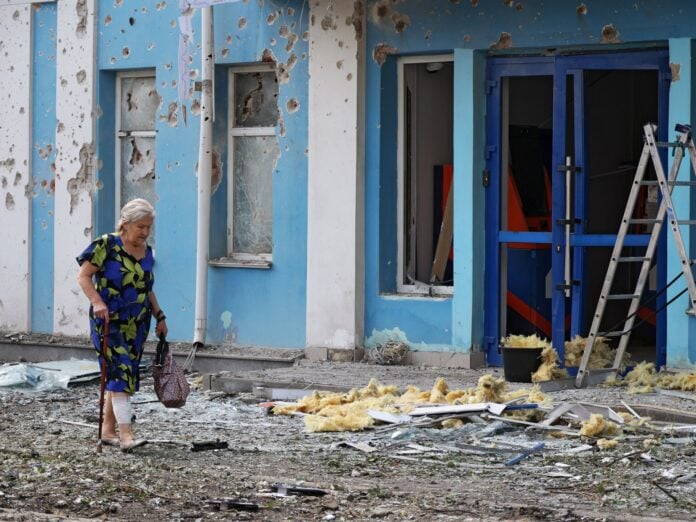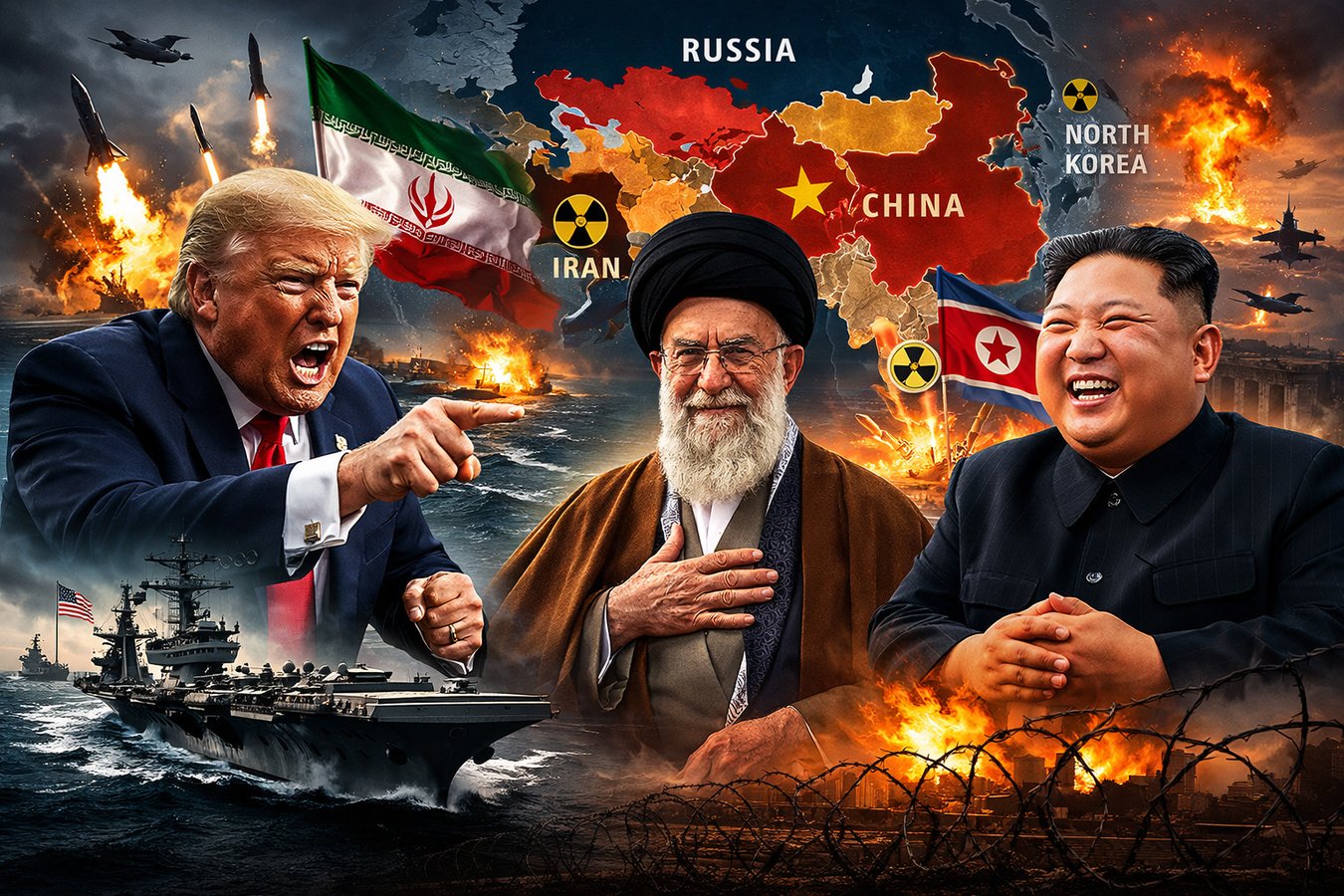

In the gilded corridors of Washington and the marble halls of European diplomacy, the language is soothing: de-escalation, dialogue, stability. But in the scorching waters of the Persian Gulf, aircraft carriers glide into position, stealth bombers rotate through regional bases, and missile defense systems hum with anticipation. The contradiction is no longer subtle. It is theatrical.
Recent reporting across global outlets confirms what officials prefer to obscure. Even as intermediaries shuttle messages between Tehran and Washington, the United States has reinforced its military footprint across West Asia. Advanced fighter jets, guided missile destroyers and additional troops have been deployed under the banner of deterrence. Diplomacy, we are told, is ongoing. But the choreography suggests something else entirely: coercion dressed as negotiation.
This is not diplomacy. It is leverage politics performed with a loaded gun.
Performative Diplomacy, Permanent Escalation
The public script emphasizes urgency. American officials speak of deadlines, warning that Tehran has “10 to 15 days” to reach a deal, a narrative amplified by Deutsche Welle. The framing is deliberate: urgency implies inevitability, inevitability justifies force. Yet the deeper question remains conspicuously absent from mainstream coverage: if diplomacy were truly prioritized, why the synchronized surge in military hardware?
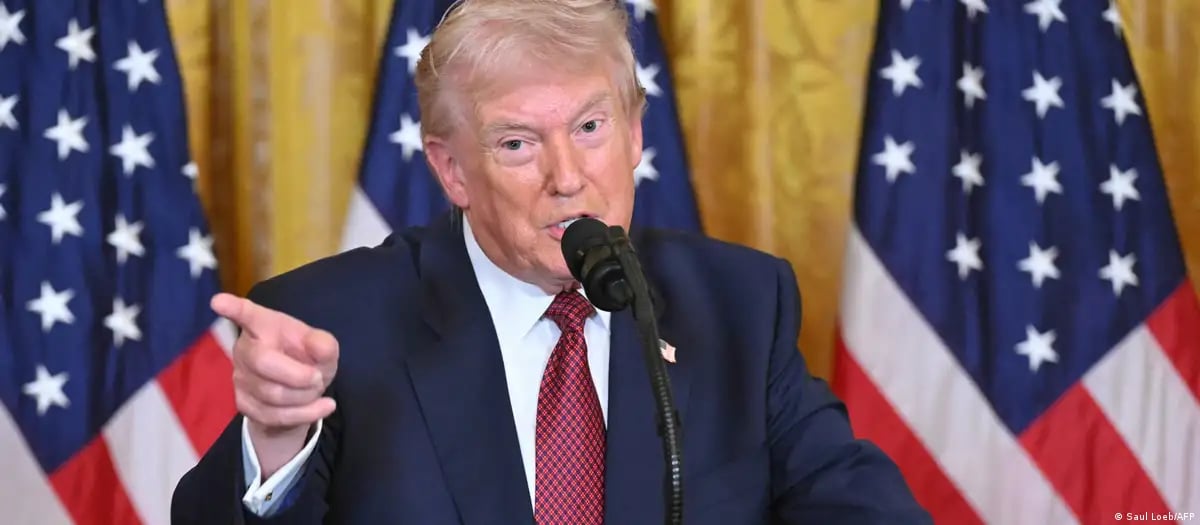
Additional reporting from Reuters indicates that American planners anticipate sustained retaliation in the event of an attack, not a single-night spectacle. Officials expect weeks of exchange, targeting state infrastructure rather than isolated facilities. In strategic terms, that is not deterrence. It is preparation for war.
And yet, European capitals continue to echo familiar refrains about stability and rules-based order. The double messaging is not accidental. It is strategic ambiguity designed to preserve plausible deniability while escalating pressure.
The Failure of Deterrence
For decades, Washington relied on a familiar formula: sanctions, isolation, military threats. The expectation was simple. Iran would bend.
Instead, Iran adapted.
Independent analyses, including assessments from Western think tanks and security briefings cited in recent coverage, concede that the long-standing deterrence framework has not halted Iran’s nuclear advancement nor curtailed its regional influence. Iran has expanded missile capabilities, refined drone warfare, and embedded itself deeply within regional power structures.
“Iran’s missile capabilities are its red line and are not a subject to be negotiated” — an adviser to Iran’s supreme leader said.
Tehran’s leadership no longer communicates from a position of caution. Supreme Leader Ayatollah Ali Khamenei has openly dismissed Western ultimatums and rejected constraints on Iran’s missile program. The message is unambiguous: strategic deterrence is non-negotiable.
The more Washington brandishes force, the more Tehran invests in asymmetric leverage.
The Architecture of Resistance
What much of the Western press reduces to “proxies” is, in reality, a layered strategic network cultivated over decades. From Lebanon to Yemen, Iran’s alliances have matured into a coordinated axis capable of imposing real costs on adversaries.
Hezbollah remains a formidable actor on Israel’s northern frontier. Iraqi militias aligned with Tehran have repeatedly demonstrated their ability to target American installations. The Houthis have disrupted maritime traffic in the Red Sea, reminding global markets how fragile trade routes truly are.
This architecture of resistance ensures that any direct strike on Iran does not remain bilateral. It regionalizes instantly.
Yet mainstream reporting often treats these actors as isolated irritants rather than components of an integrated deterrent doctrine. That omission distorts the strategic picture. Iran’s leverage is not confined to its borders. It is dispersed, resilient and politically embedded.
The West’s Double Standard
Perhaps the most glaring omission in much Western coverage is the asymmetry of moral outrage.
When Israel conducts cross-border strikes or escalatory operations, Western leaders invoke the right to self-defense. When Iran signals retaliation or defensive posture, the vocabulary shifts to destabilization and aggression.
This selective framing erodes credibility. It also fuels regional skepticism toward Western mediation. Governments across West Asia observe the disparity and adjust their alignments accordingly.
The European Union’s calls for restraint are routinely paired with silence on Israeli operations. Washington’s warnings to Tehran coexist with accelerated arms transfers to its allies. The contradiction is visible, measurable and politically consequential.
Iranian officials frequently accuse the West of “double standards.” While such rhetoric is predictable, it resonates in a region that has witnessed repeated cycles of intervention without accountability.
The Multipolar Undercurrent
The most significant angle missing from conventional reporting is structural. This confrontation is not merely about nuclear enrichment or missile ranges. It reflects the gradual erosion of unipolar dominance.
Russia has warned against escalation. China has signaled support for diplomatic resolution while expanding economic ties with Tehran. Gulf states once tightly aligned with Washington now hedge, facilitating dialogue rather than endorsing confrontation.
This is the architecture of multipolarity taking shape in real time.
The United States can still project power. Its naval assets remain unmatched. But projection is no longer synonymous with uncontested authority. Every deployment now carries reputational risk. Every strike risks coalition blowback.
The narrative of inevitability surrounding Western primacy has fractured.
Domestic Calculations, Global Consequences
Another uncomfortable question lingers beneath the surface: timing.
Military posturing intensifies during politically sensitive periods in Washington. Escalatory rhetoric often coincides with domestic turbulence. Foreign policy theatrics can consolidate political bases and redirect media cycles.
It would be naive to ignore the domestic incentives embedded in international brinkmanship. Electoral considerations and geopolitical signaling frequently intertwine.
Meanwhile, Tehran’s leadership leverages the standoff to reinforce narratives of resistance and sovereignty. External pressure consolidates internal cohesion. Sanctions fatigue morphs into national defiance.
The Reality Beneath the Headlines
Strip away the press briefings and the rhetorical flourishes, and the underlying truth is stark.
Deterrence has not subdued Iran. Sanctions have not isolated it. Military signaling has not compelled capitulation. Instead, pressure has hardened positions and expanded networks of resistance.
The current trajectory is unsustainable. A miscalculation in the Gulf, a missile misfire, a proxy escalation could ignite a chain reaction that engulfs multiple theaters simultaneously.
Yet Western discourse continues to frame escalation as preventive rather than provocative.
The missing angle is this: the more the United States relies on coercive signaling while proclaiming diplomacy, the more it accelerates the very instability it claims to prevent. And the more it reinforces the perception that global order is governed by force rather than fairness.
In the end, West Asia is not on edge because of one nation’s ambitions. It is on edge because the architecture of power is shifting, and the old guardians of that architecture are unwilling to admit it.
The spectacle of carriers and countdowns may dominate headlines. But beneath the surface, a deeper transformation is underway. The era of unchallenged dominance is fading. What replaces it will define not only West Asia, but the global balance of power for decades to come.