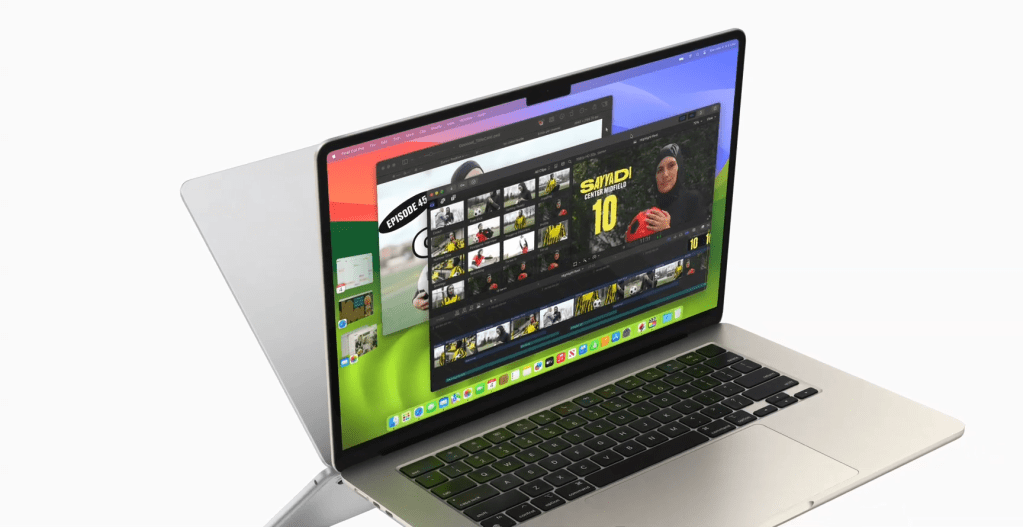

CUPERTINO – Put a MacBook Air in your cart on Apple's website this week and you will not find the next-day or two-day delivery window the company has trained its customers to expect. Depending on the model and configuration, the estimated arrival is late August or September. For a laptop Apple has marketed as its most accessible and reliably available computer, that is a meaningfully different shopping experience. It arrived at exactly the moment when millions of students are trying to buy one.
The constraints are not a website glitch. Apple's MacBook Air line is dealing with the same memory chip shortage that has limited Mac mini and Mac Studio availability for months, and the squeeze has now expanded to Apple's flagship consumer laptop. TechCrunch reported Saturday that Apple has added availability warnings to MacBook Air marketing materials, something the company has not done before for this product line. The back-to-school promotion Apple typically runs from June has been delayed. Base MacBook Pro models now receive more prominent placement in Apple's own marketing, a redirect that points away from where the company usually sends consumer traffic during the summer.
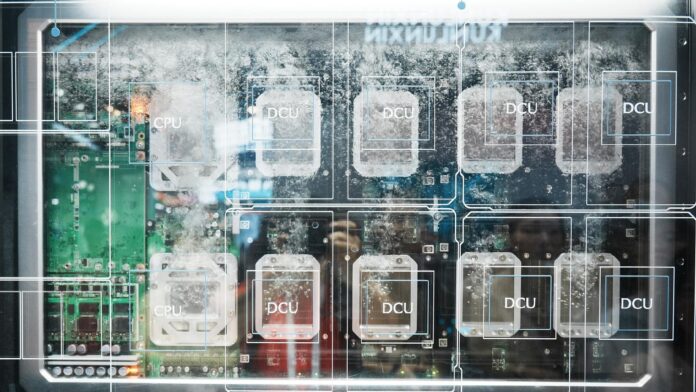
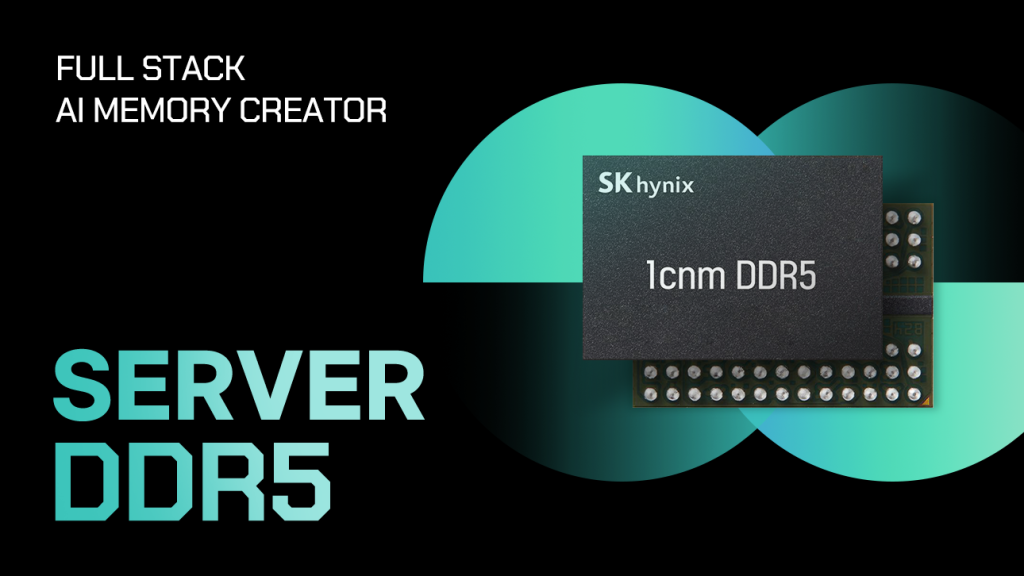
The root of the problem is outside Apple's campus. The memory chips the company uses in MacBook Air production are LPDDR5, the low-power DRAM that powers most modern mobile-class computing. That chip family has become a contested resource. AI data centers running large model training need LPDDR5 at an industrial scale, and the companies building those data centers have been committing to memory orders that dwarf what a consumer electronics manufacturer moves in a retail quarter. SK Hynix and Samsung, the suppliers Apple depends on, have been allocating production toward server-grade customers because those buyers pay more per chip and absorb larger quantities per order. Apple is competing for a smaller share of what's left.
Apple's response has been to source additional memory from Chinese suppliers, according to Mark Gurman of Bloomberg, whose analysis sits behind TechCrunch's coverage. That arrangement fills a gap. It also introduces a different kind of exposure: Chinese-sourced memory carries trade-policy scrutiny that South Korean memory does not, and Apple's supply chain is already navigating political pressure in both the United States and the European Union. Whether the Chinese memory arrangement is a short-term bridge or a more permanent adjustment is a question Apple has not publicly answered.
The timing is what makes this shortage stand out from prior supply constraints Apple has managed without disrupting consumer availability. MacBook Air is not a niche product with scheduled demand cycles. It is the machine families buy when a student starts college, the laptop IT departments order when replacing an aging fleet, and the product Apple depends on to recruit first-time Mac buyers. Its back-to-school cycle runs every summer, and Apple has historically calibrated its supply chain around it. The current wait times suggest that, for once, Apple's supply planning and what the DRAM market actually delivered are running in different directions.
Tim Cook spent fifteen years building a supply chain organization that was the structural advantage behind Apple's margins. On September 1, John Ternus becomes chief executive, inheriting a company whose most recent quarter was a record and whose most important consumer laptop is on backorder. The two facts arrived in the same week. Ternus's hardware background does not include the supplier relationships Cook built through fifteen years of direct engagement, and the memory shortage is the first test of how Apple's sourcing function performs under different executive leadership.
Whether the shortage resolves before Ternus's first major product moment matters commercially. The iPhone 18 launch cycle is that moment, and supply chain analysts have flagged that the same memory cost pressure currently delaying MacBook Air orders is expected to affect iPhone 18 component pricing. Apple has historically absorbed component cost increases rather than passing them directly to consumers at launch. Whether that pattern holds in an environment where memory costs are being driven by AI infrastructure demand, rather than ordinary device production cycles, is a different test than anything Apple's supply chain has navigated before.
Apple has said nothing publicly about the MacBook Air shortage or its expected resolution. Gizmodo reported that Cook's final earnings call on July 30 introduced a new paywall for Apple Intelligence features through iCloud+ subscriptions, a structural change to how Apple monetizes its AI capabilities, without disclosing pricing. In the same week, Apple's public communications covered both a new software subscription model and an undisclosed supply problem affecting hardware. The Apple Intelligence paywall announcement drew significant attention. The laptop backorder drew less. Both reflect the same underlying pressure: AI is reshaping what Apple can deliver and what it chooses to charge for.
The MacBook Air backorder will resolve. Memory shortages are transitional, and Apple's scale ensures it eventually secures the allocation it needs. But the timing exposed something the quarterly earnings numbers do not: the supply chain Cook built is reacting to an AI infrastructure build-out that did not exist at anything like its current scale when the sourcing architecture behind it was designed. AI companies and Apple are not conventional competitors. They buy from the same suppliers. Right now, they are ahead in the queue.