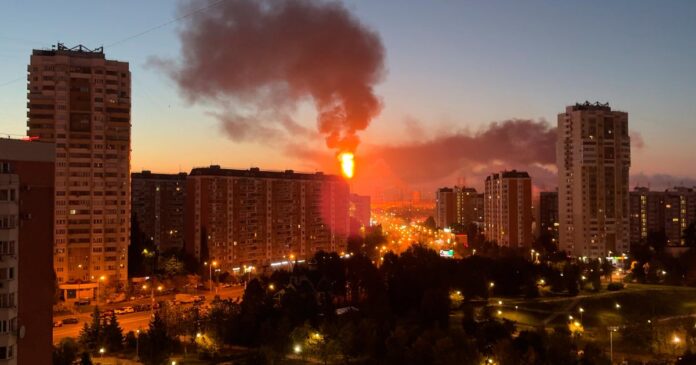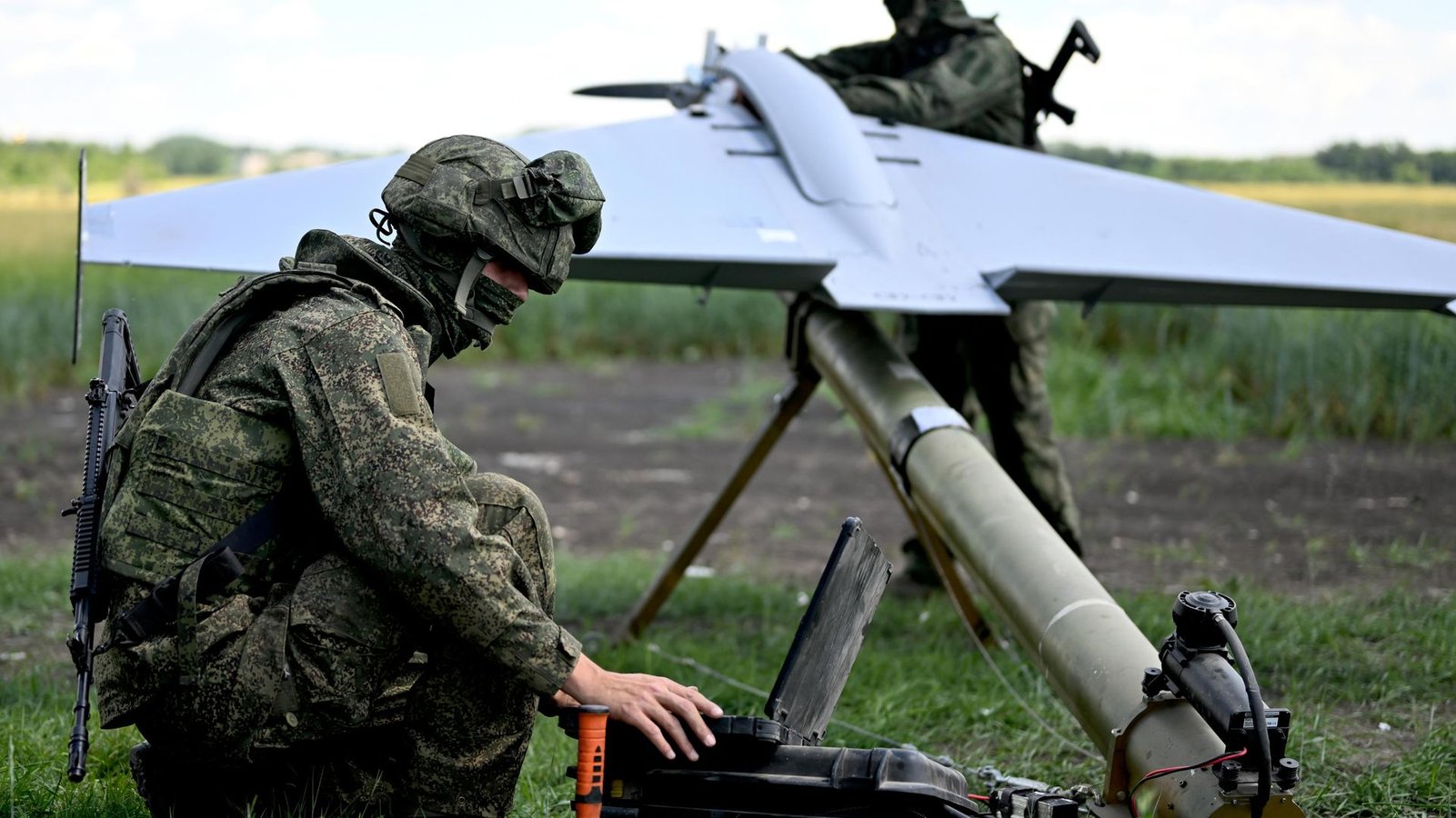

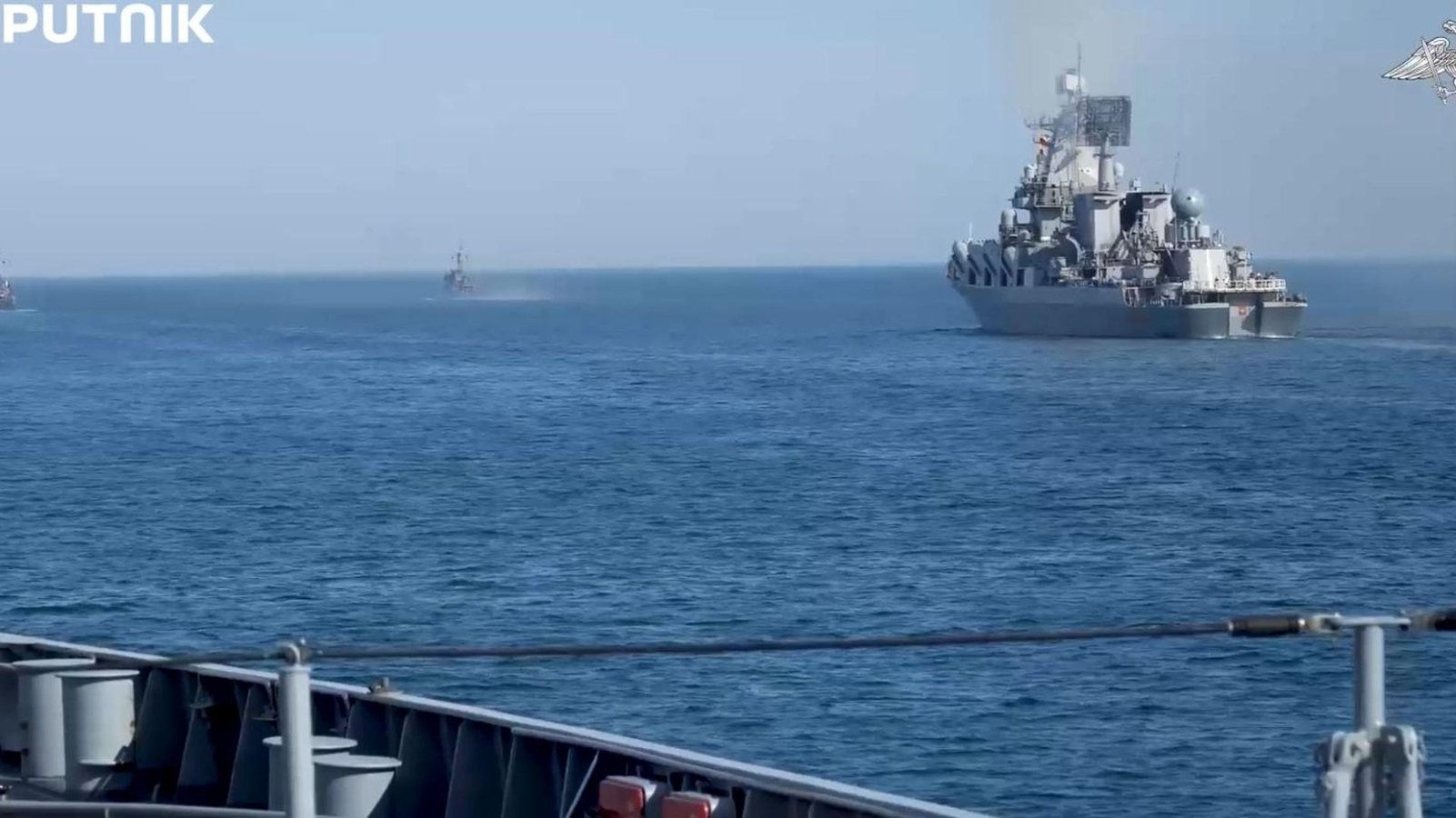
MOSCOW – Russian transport and defense officials said Sunday they were taking coordinated steps to protect commercial shipping on the Black Sea and Azov Sea, citing what they described as 635 Ukrainian drone attacks on civilian and cargo vessels operating in the two bodies of water. The announcement framed those shipping lanes not as bystanders to the Russian operation in Ukraine but as an active front within it.
The Transport Ministry said it was working with the Defense Ministry and the Federal Security Service to improve early warning systems for vessels operating under Russian registry or servicing Russian ports. It did not specify which new defensive measures were being deployed, when they would become operational, or what period the 635-attack figure covered – whether it represented a cumulative total since 2022 or attacks recorded over a more recent window.
Ukraine has developed and deployed uncrewed surface vessels, maritime drones loaded with explosives, as one of its signature capabilities since at least late 2022. Those vehicles have struck Russian naval ships, damaged port infrastructure at Novorossiysk and Sevastopol, and disrupted the logistical routes Russia uses to supply occupied southern Ukraine. Russia has responded with its own strikes on Ukrainian waterways, including attacks on Nikolaev port cargo vessels. Kyiv has publicly acknowledged the maritime drone program, though it rarely comments on specific strikes within waters Russia considers under its control.
The Black Sea connects Russia’s main commercial export terminals to grain and energy markets across the Mediterranean. Azov Sea shipping serves a more internal function: linking Rostov-on-Don and the Don River system to occupied Ukrainian port infrastructure, including Mariupol and Berdyansk, that Russian forces have incorporated into their logistics network since 2022. Disruption in the Black Sea affects Russia’s international trade; disruption in the Azov affects its ability to consolidate and supply the territory it controls.
Russia’s public announcement of interagency coordination may be addressed in part at commercial operators who have been weighing risk since insurance premiums for Black Sea voyages spiked after 2022. Several large shipping companies suspended Black Sea operations in the early months of the conflict and have returned only gradually. A government commitment to expanded defensive coverage, even one stated in general terms, carries commercial significance for underwriters and freight operators recalculating route risk.
The FSB’s inclusion in the coordination framework is the least explained element of Sunday’s announcement. The agency’s primary mandates are counterintelligence, border security, and counter-terrorism. Its role in protecting shipping lanes suggests Russian authorities believe Ukraine’s maritime drone operations are enabled by intelligence networks or support structures that the FSB is tasked with disrupting at the source, rather than intercepting drones in flight.
American arms deliveries to Ukraine have fallen sharply in recent months, but the drop has not curtailed the drone campaign: Ukraine has built significant domestic production capacity for the uncrewed vehicles used in maritime and land-based operations, reducing its dependence on imported platforms for that class of weapon. The campaign spans multiple fronts, including strikes near the Zaporozhye nuclear plant. The drawdown in US military assistance to Kyiv has primarily affected heavier weapon systems rather than the drone program Moscow is now seeking to counter at sea.
Russia’s Defense Ministry separately reported air defense interceptions of Ukrainian drones across multiple fronts during the same period. Whether Sunday’s shipping announcement reflects a new strategic decision or a public restatement of coordination that was already in place is not clear from the information provided. What the announcement does not address is the question of liability: if drone attacks succeed despite the protective framework, there is no public mechanism for compensating commercial operators whose vessels are struck.