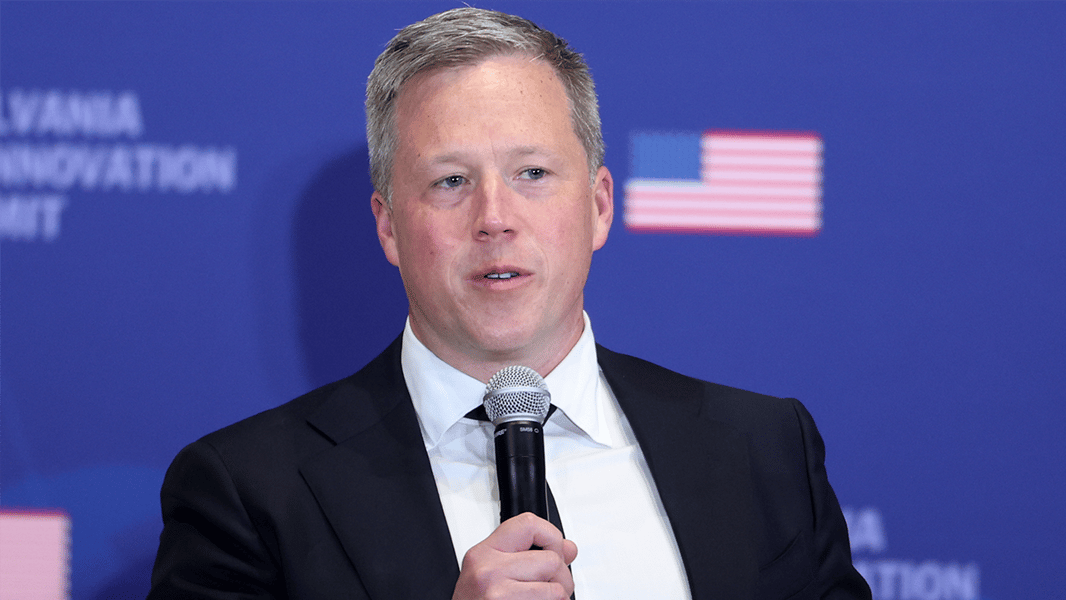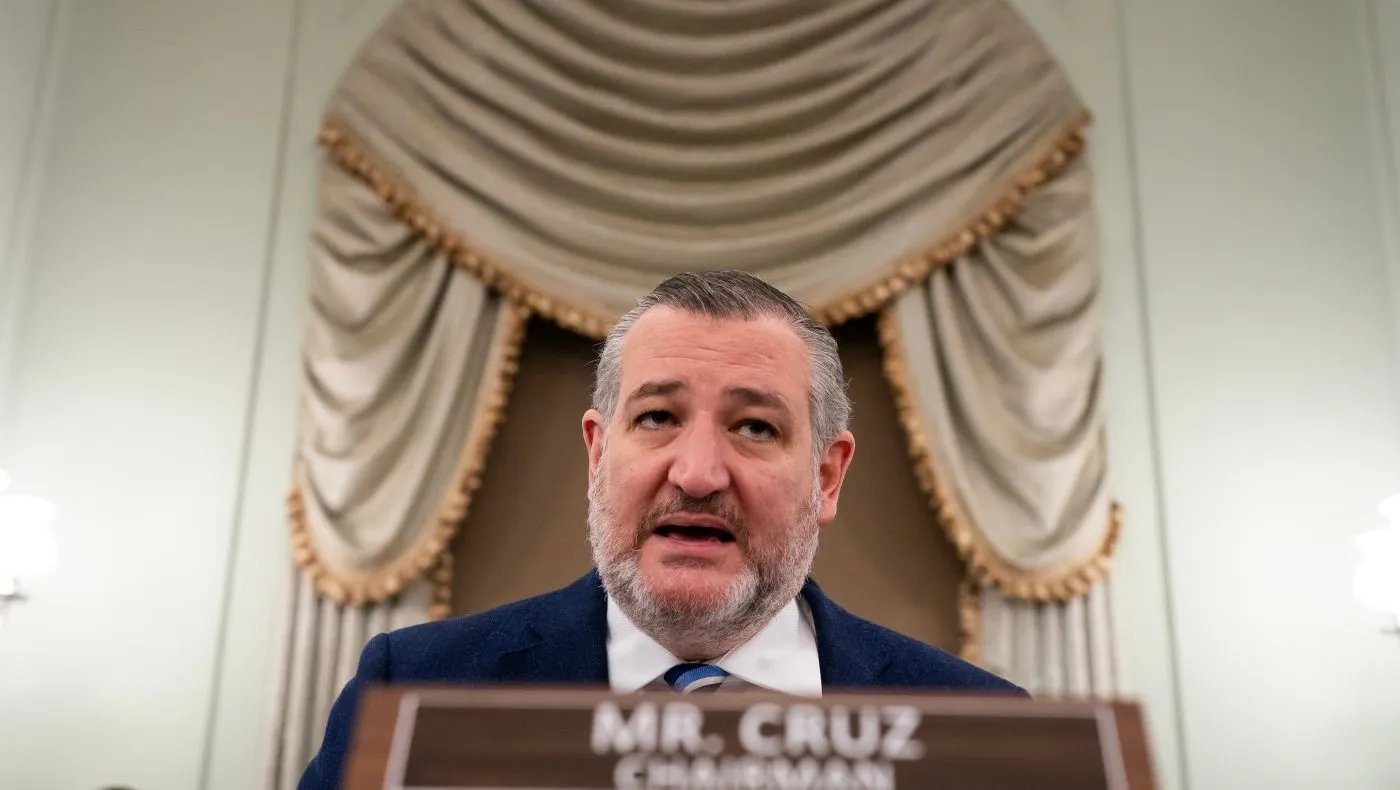

Republican US Senator Ted Cruz asserted Tuesday that the governments of Iran, Venezuela and Cuba could collapse within months and be replaced by leadership aligned with Washington, delivering what he described as a historic geopolitical transformation.
“We are at a moment … where in the next six months, we could realistically see the regimes in Iran, Venezuela and Cuba all fall, and we could see them replaced with governments that want to be friends with America,” Cruz told CNBC.
The Texas senator’s remarks come amid mounting economic, diplomatic and military pressure by the administration of US President Donald Trump on all three countries, each long considered adversarial to Washington’s foreign policy agenda.
Cruz acknowledged the unpredictability of global power shifts, cautioning that “there are 1,000 ways” the situation could go wrong.
Still, he emphasized the magnitude of what he believes could unfold: “But if that happened, that would be the biggest geopolitical shift since the fall of the Berlin Wall,” Cruz said, without specifying the basis for his remarks.
Escalating Tensions With Iran
The senator’s forecast coincides with renewed diplomatic engagement between Washington and Tehran over Iran’s nuclear program. The two countries have recently held two rounds of negotiations, with the latest taking place on February 17 in Geneva under Omani mediation.
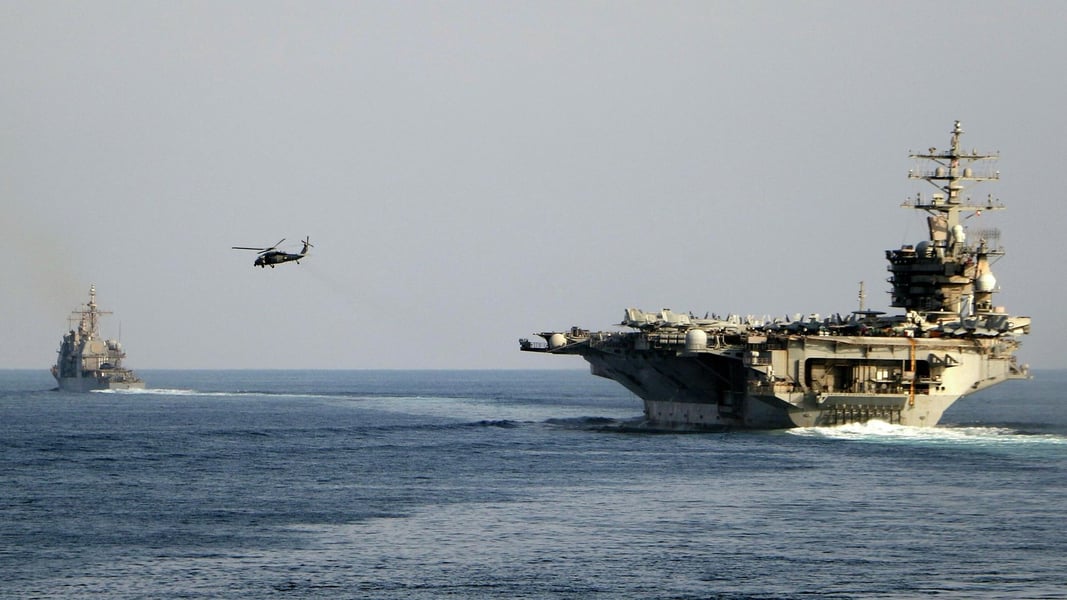
While talks signal a potential pathway to de-escalation, rhetoric from Washington has remained forceful. President Trump has said he is considering a limited military strike on Iran to pressure Tehran into a deal. At the same time, the US has reportedly transferred over 150 aircraft to the region, underscoring a dual strategy of negotiation backed by visible military leverage.
The combination of diplomacy and force has intensified debate among foreign policy experts in Washington. Supporters argue that concentrated pressure may compel concessions. Critics warn that military escalation could destabilize the broader Middle East and trigger unintended regional conflict.
Iran, for its part, has consistently framed its nuclear program as peaceful and has resisted what it calls coercive tactics. The Geneva talks, facilitated by Oman, were described by diplomats as serious but fragile, with significant gaps remaining between the parties amid heightened tension across the region.
Venezuela: A January Shock
Developments in Venezuela have already reshaped the geopolitical landscape in dramatic fashion.
On January 3, the United States launched a massive attack on Venezuela, capturing President Nicolas Maduro and his wife, Cilia Flores, and taking them to New York. Trump said the presidential couple would face trial for allegedly being involved in “narco-terrorism” and posing a threat, including to the US.
The operation stunned observers across Latin America and reignited longstanding tensions between Washington and Caracas. Maduro’s government had for years accused the US of seeking regime change through sanctions and political isolation. The January action marked a decisive and unprecedented escalation.
Legal proceedings against Maduro are expected to draw global scrutiny. The charges, centered on allegations of narcotics trafficking and security threats, are likely to provoke sharp responses from allies of the Venezuelan government and from critics of US interventionism in the region.
The fallout has also raised questions about sovereignty, international law and the precedent such operations may establish. While Washington has defended the move as necessary to address criminal conduct and protect national security, opponents argue it risks undermining regional stability and fueling broader geopolitical backlash.
European lawmakers and other international actors have expressed international opposition to the intervention, highlighting divisions among US allies over the use of force.
Cuba Under Renewed Economic Pressure
Cuba has also faced intensified economic and political measures in recent weeks.
On January 29, US President Donald Trump signed an executive order authorizing the United States to impose tariffs on imports from countries that supply oil to Cuba and declared a state of emergency, citing an alleged threat to US national security posed by Cuba.
The executive action effectively broadened the scope of economic penalties against Havana, expanding pressure beyond direct US-Cuba trade to encompass third-party nations supplying critical resources.
The declaration of a state of emergency further signaled Washington’s hardened stance. For decades, relations between the two countries have fluctuated between cautious diplomatic engagement and severe restrictions. The latest measures mark one of the most assertive phases in recent years.
Cuban officials have rejected claims that the island poses a national security threat to the United States, characterizing the tariffs and emergency declaration as politically motivated and economically punitive.
A Calculated Forecast or Political Messaging?
Cruz did not detail the intelligence, analysis or political developments underpinning his prediction that all three governments could fall within six months. His remarks, however, align with broader Republican messaging emphasizing assertive US foreign policy and pressure-driven diplomacy.
The senator’s comparison to the fall of the Berlin Wall invoked one of the defining moments of the late 20th century, the symbolic collapse of Cold War divisions in Europe. Whether contemporary geopolitical tensions could produce a comparable transformation remains uncertain.
Foreign policy analysts note that regime change scenarios are inherently complex. Political systems in Iran, Venezuela and Cuba are shaped by deeply entrenched institutions, security structures and ideological frameworks. Sudden transitions often produce unpredictable consequences.
At the same time, economic strain, sanctions and diplomatic isolation can alter internal political dynamics over time. The interplay between domestic pressures and external leverage frequently determines the durability of governments facing sustained international opposition.
If the scenario outlined by Cruz were to unfold, the consequences would reverberate across energy markets, strategic alliances and security calculations worldwide. For now, his statement stands as one of the boldest assertions by a senior US lawmaker regarding the potential trajectory of three governments long at odds with Washington, and as a reminder of how rapidly the geopolitical landscape can shift.
Related Posts