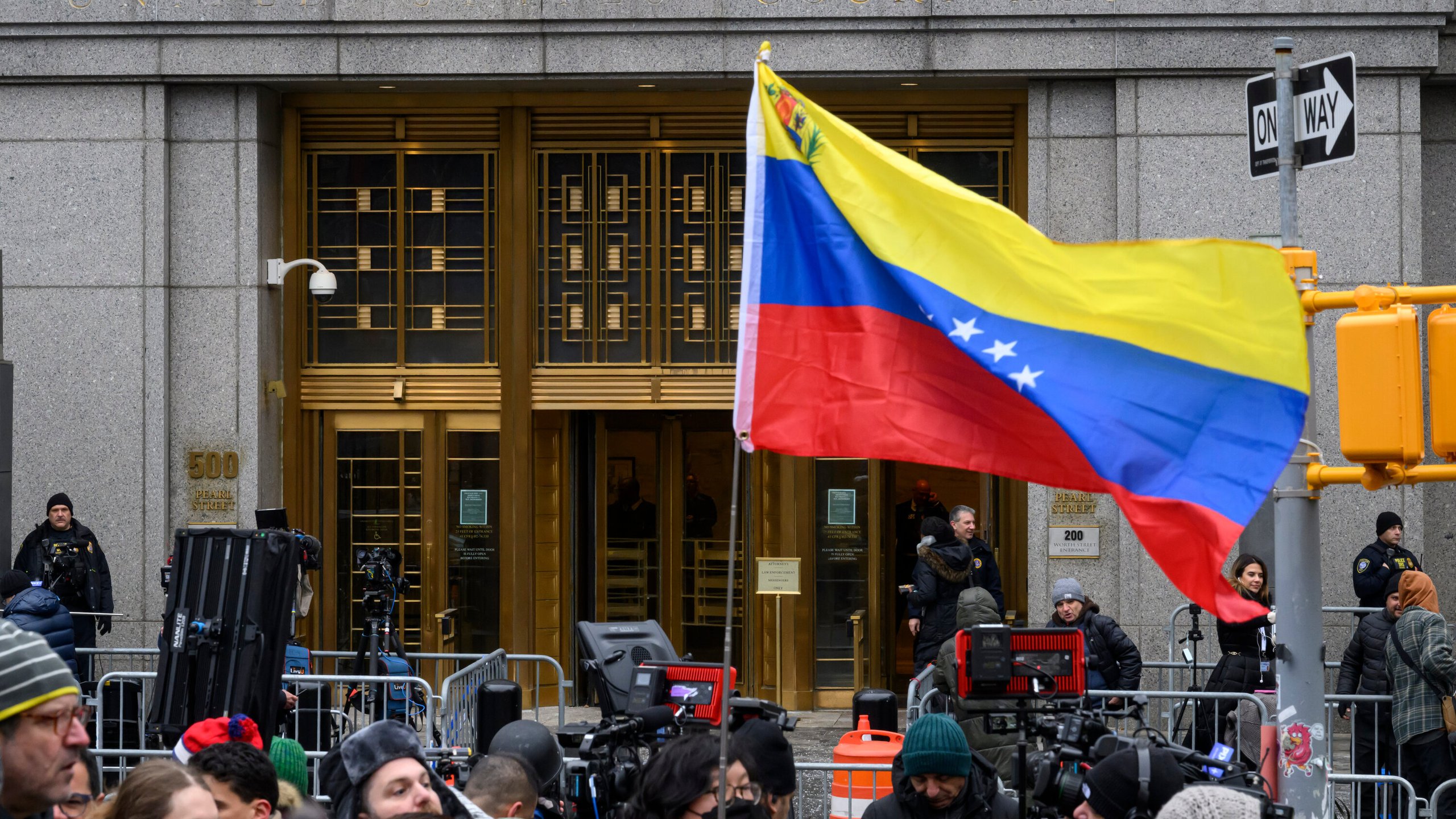

BRUSSELS — A diplomatic storm has erupted across Europe following a dramatic US military invasion of Venezuela, an act widely condemned as a blatant violation of international law, which resulted in the capture of Venezuelan President Nicolás Maduro and his wife, Cilia Flores. The presidential couple was forcibly transferred to New York to face charges under US law for “narco-terrorism,” raising serious questions over jurisdiction, sovereignty, and legality.
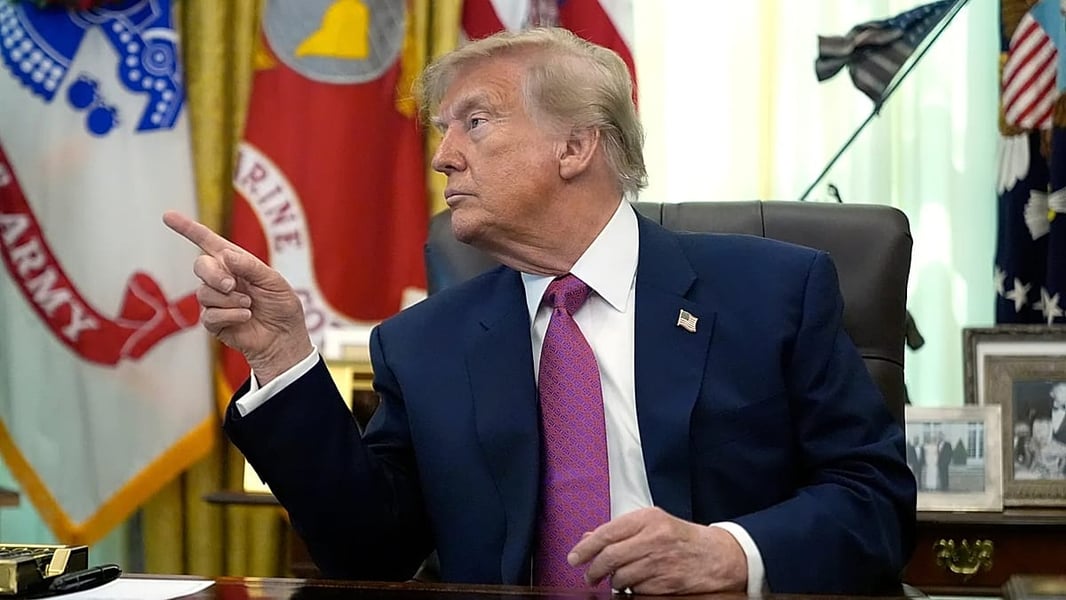
“Thirty-seven members of the European Parliament demanded that European Commission President Ursula von der Leyen and EU foreign policy chief Kaja Kallas condemn US President Donald Trump for his operation in Venezuela,” a statement from Italian lawmaker Danilo Della Valle of the Five Star Movement, seen by RIA Novosti, said.
The European lawmakers stressed that “European institutions should coordinate with member states to initiate an extraordinary UN Security Council meeting on Venezuela, rather than expressing approval for US authoritarian actions.” Their appeal echoes global reactions at the United Nations, where the US invasion has been denounced as unilateral aggression undermining the UN Charter.
US Invasion of Venezuela Triggers Global Legal and Political Outcry
The invasion, launched on January 3, 2026, involved a large-scale US military assault on Venezuelan territory, including strikes on key installations, culminating in Maduro’s capture. Following the attack, the Venezuelan Supreme Court temporarily transferred the presidency to Vice President Rodriguez, who was sworn in before the National Assembly amid national emergency conditions. The assault has been documented by CBS News, which detailed the movements of US forces and the forced transfer of the Venezuelan leader.
The invasion has drawn international condemnation. Dutch Foreign Minister David van Wiel acknowledged in a letter to parliament that the US action “raises questions about its compliance with international law.” Legal experts and diplomats argue that the invasion constitutes a clear breach of Venezuelan sovereignty, setting a dangerous precedent that normalizes regime change through military force.
European Tensions Over Washington’s Use of Force
While a growing bloc of European lawmakers has called for unequivocal condemnation, the European Commission has so far avoided directly censuring Washington, opting instead for diplomatic ambiguity. This reluctance has triggered sharp criticism from left-wing parties, legal scholars, and human rights groups, who argue that silence in the face of aggression erodes Europe’s credibility as a defender of international law.
Spain, for instance, stated that although it has never recognized Maduro’s leadership, it would not endorse “an intervention that violates international law,” underscoring the widening rift within the EU between legal principle and political alignment with Washington.
International Repercussions Across Latin America and Beyond
Latin American legislators have forcefully denounced the US invasion. In a multinational declaration, lawmakers condemned “the bombings perpetrated against Venezuela and the kidnapping of Head of State Nicolás Maduro and his wife,” demanding their immediate release and full respect for Venezuelan sovereignty. Latin America and Iran denounce US war-mongering in Venezuela documents the scale of regional opposition.
Iran’s Foreign Ministry described the invasion as a “flagrant violation of the UN Charter and international law,” urging governments and international institutions to confront US impunity. Leaders from Brazil to Mexico warned that the attack threatens continental stability, with Brazil’s president calling it a “grave affront” to sovereignty and Colombia cautioning that it endangers regional peace. Foreign Policy details the breadth of global backlash.
Legal Debate and the Collapse of the Rules-Based Order
International law experts emphasize that the use of force against a sovereign state without UN authorization or a legitimate self-defense claim is prohibited. WOLA stated that the US invasion represents a direct assault on international law and state sovereignty. The UN Human Rights Office further warned that the action undermines global security and violates international law.
Within Europe, the crisis has exposed deep fractures over whether to confront US militarism or preserve transatlantic political convenience. Calls for extraordinary UN Security Council action are growing as pressure mounts for accountability.
Venezuela’s Future Under the Shadow of US Aggression
The political and legal fallout of the US invasion has plunged Venezuela into uncertainty. Maduro’s detention in the United States raises fundamental questions about sovereignty, international justice, and the weaponization of legal systems by powerful states. European institutions and global bodies now face mounting pressure to respond decisively to an act widely viewed as illegal, destabilizing, and imperial in nature. Regional peace and stability concerns remain central.
As the diplomatic confrontation deepens, the legacy of the US invasion of Venezuela threatens to further erode the already fragile international order. TASS reports that a growing number of Latin American states have condemned the assault, signaling a broader geopolitical backlash against US unilateralism.
Related Posts