
WASHINGTON — For most of the country’s history, citizenship, once granted, was nearly impossible to lose. Sunday’s action by the Justice Department did not change that legal standard, but it changed the scale at which the government is now testing it.
The Department of Justice filed 25 denaturalization complaints, the final batch in a two-week surge that began July 20, in what department officials described as the largest coordinated denaturalization effort in the department’s history, Fox News reported. The cases involve naturalized citizens from 18 countries including Pakistan, Moldova, India, Mexico, Colombia, Nigeria, Jamaica, Taiwan, Honduras, and Sweden, accused of crimes that range from attempted murder and child sexual abuse to marriage fraud, document falsification, and practicing medicine without a license. Their citizenship, prosecutors argue, was obtained by concealing disqualifying facts during the naturalization process.
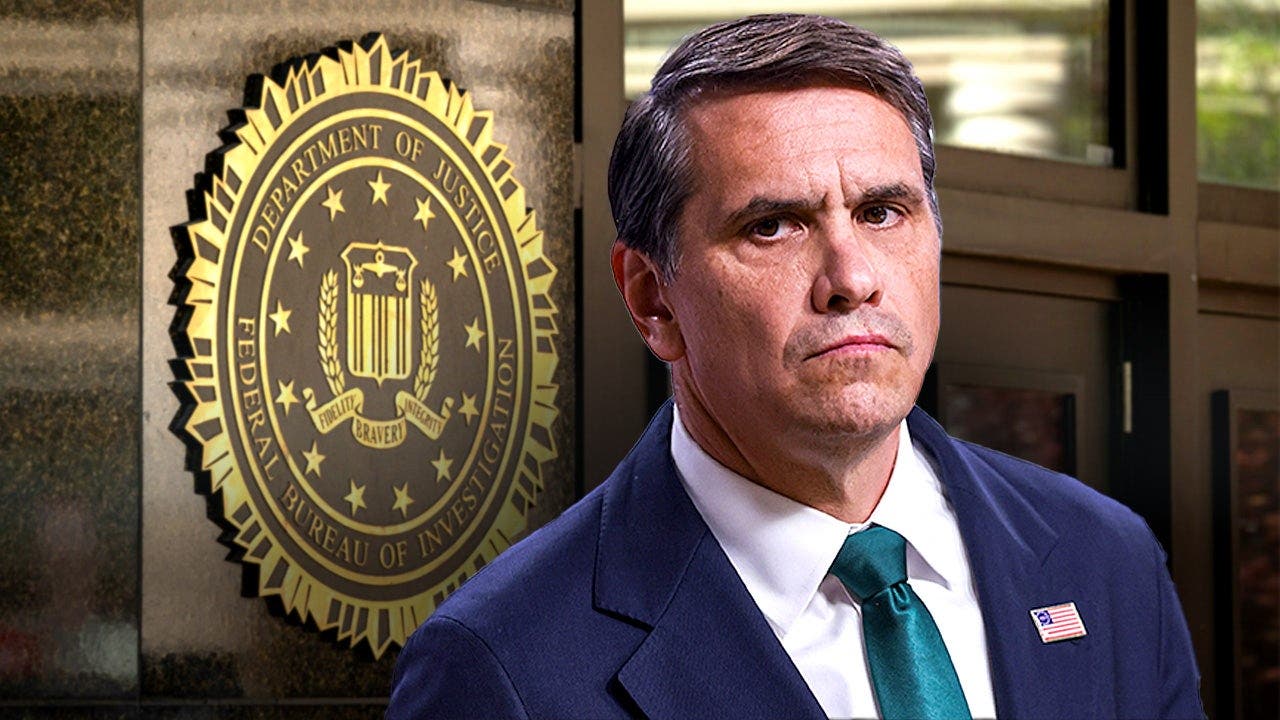
Acting Attorney General Todd Blanche framed the action as the enforcement of a non-negotiable standard. “U.S. citizenship is one of our nation’s highest privileges, and it must be obtained lawfully and honestly,” he said. Blanche, whose own Senate confirmation has been entangled for weeks in a separate dispute over a Justice Department fund, did not specify how many additional cases are under review or what criteria the department is using to identify future targets.
The range of alleged crimes in the Sunday filings is deliberately wide. In North Carolina, a naturalized citizen faces revocation after a first-degree murder conviction; prosecutors say he obtained citizenship through military service while concealing that his discharge did not meet the honorable service threshold required by law. Another complaint, filed in South Carolina, involves allegations of spousal assault that the defendant concealed during the naturalization process. Other cases allege bank and credit card fraud, identity theft, passport falsification, and, in one instance, treating patients without a medical license. The span of offenses from violent crime to financial fraud to unlicensed medical practice reflects a department willing to apply the denaturalization mechanism broadly rather than selectively.
The total number of denaturalization civil complaints filed by the Trump administration since January 20, 2025 reached 123 after Sunday’s filings, the Justice Department said in a press release. Before 2025, annual denaturalization filings were typically measured in single digits, with the mechanism used most visibly in past decades against Nazi war criminals and individuals who had concealed participation in wartime atrocities. Brett Shumate, the assistant attorney general overseeing the department’s Civil Division, said Sunday’s action “marks the largest denaturalization surge in recorded history” and characterized each of the 25 defendants as someone who “committed crimes incompatible with U.S. citizenship.”
The legal foundation for denaturalization has existed since the Immigration and Nationality Act codified it in 1952. The statute allows the government to seek citizenship revocation in federal civil court when a person procured naturalization “illegally” or through “willful misrepresentation of a material fact.” What qualifies as a material fact has long been contested in federal courts, varying by circuit and by administration. Sunday’s 25 complaints will test that variance across multiple jurisdictions simultaneously, as each case proceeds to its own evidentiary and legal hearing.
A prior Justice Department action in June 2025 targeted 17 naturalized citizens from 13 countries on similar grounds. That filing drew limited attention at the time; the current one is nearly 50 percent larger and was explicitly framed by senior officials as a campaign rather than a one-time enforcement event. The acceleration from 17 cases to 25 within a single action, and from a stated total of 88 cases in earlier reporting to 123 in Sunday’s official figures, suggests the pipeline of potential cases identified by the department is larger than publicly acknowledged.
Blanche’s tenure at the Justice Department has coincided with an intensification of immigration-related legal tools across multiple fronts. His confirmation process itself has been marked by legislative standoffs that reflect how politically charged the department’s role has become under the current administration. Earlier this year, the administration filed the first-ever petition to the Alien Terrorist Removal Court, a 1996 tribunal that had lain dormant for three decades before the Trump administration chose to activate it. The denaturalization campaign operates under a different statute and targets a different population, but shares the administrative logic of the broader enforcement effort: using legal mechanisms that have existed on the books but were rarely invoked.
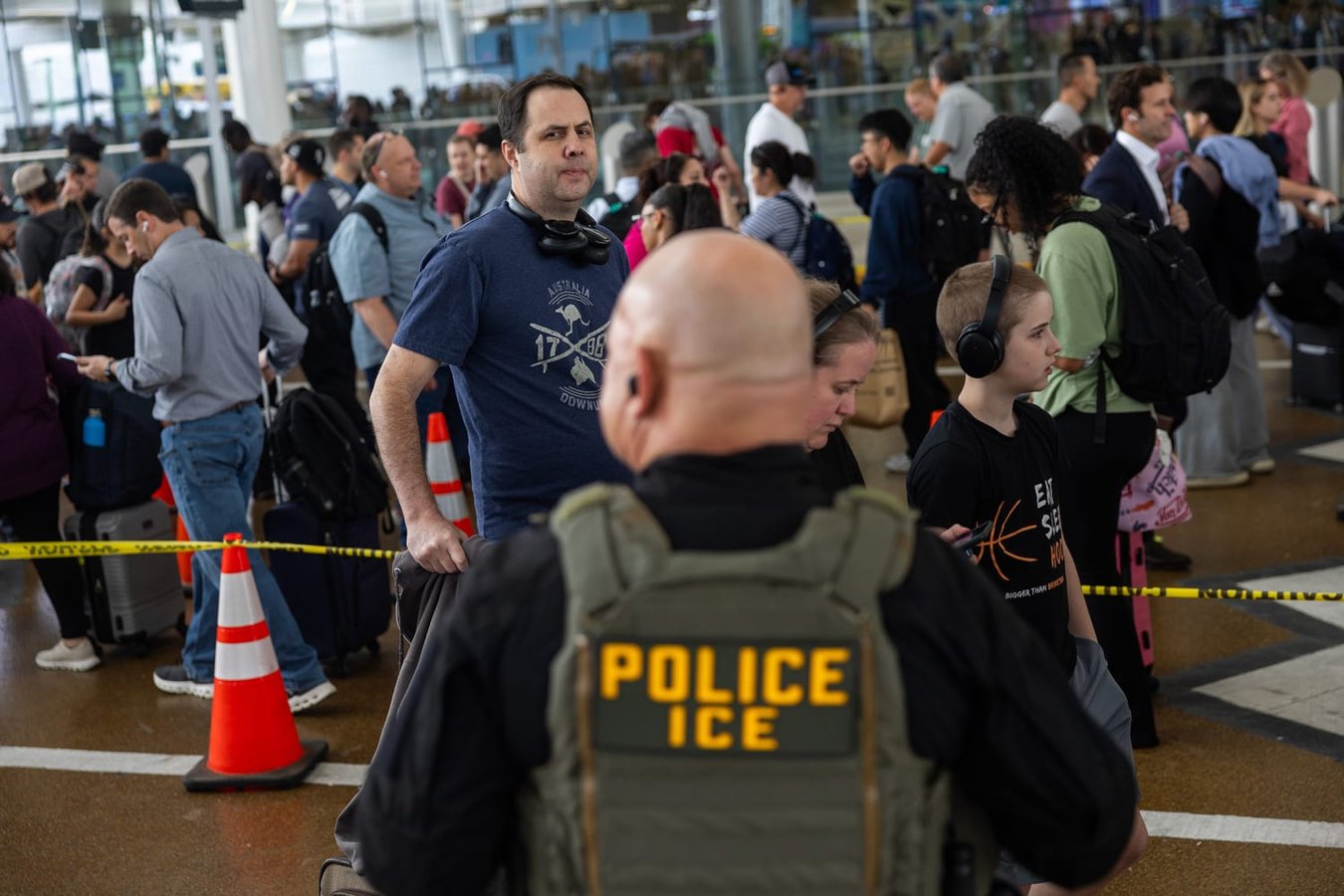
The department has not published a list of the individuals named in Sunday’s complaints, which are civil rather than criminal proceedings. It has not disclosed how targets were identified, whether through database sweeps, federal agency referrals, or criminal case reviews. As immigration enforcement has expanded to domestic airports and transportation checkpoints, the question of which legal tools the administration will use next, and against which populations, has grown difficult to predict. What Sunday’s filing does clarify is that the administration views denaturalization not as a last resort but as a routine enforcement mechanism. Whether the courts, processing 25 cases simultaneously in jurisdictions across the country, will agree with the department’s reading of what the law requires remains the one question Sunday’s record-breaking filing did not answer.