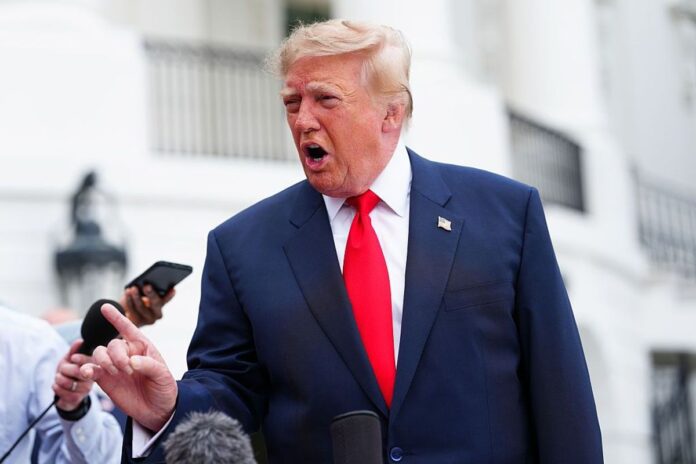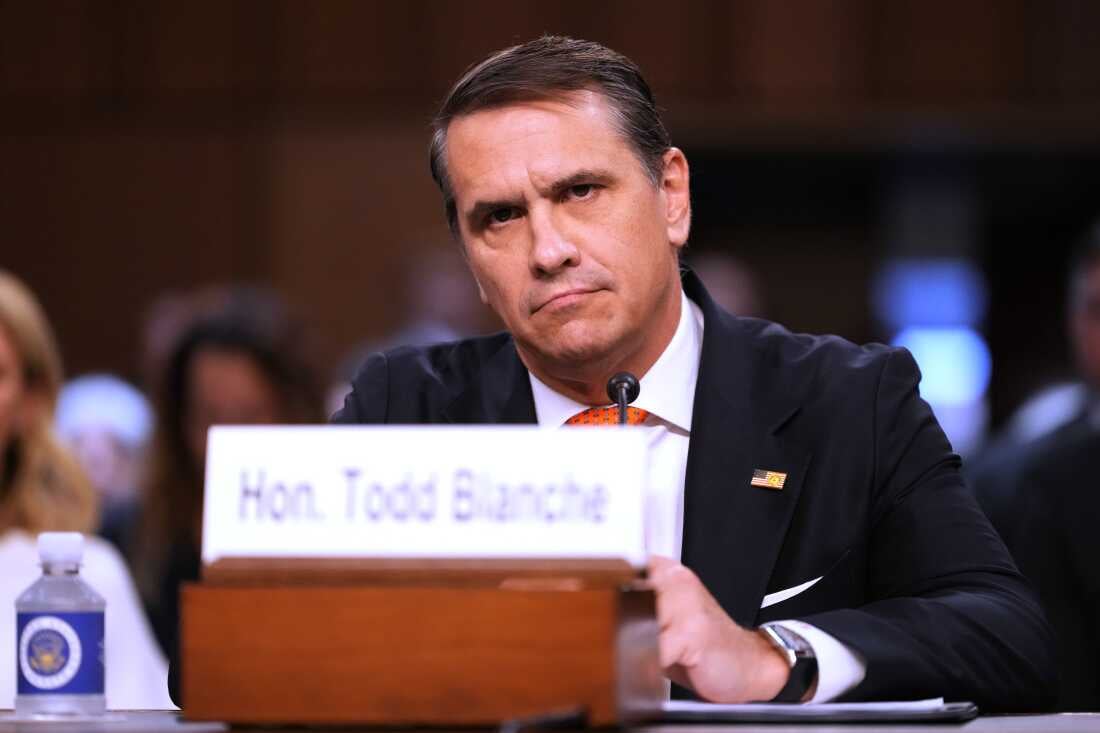

WASHINGTON – Todd Blanche spent weeks inside Senate office buildings explaining to Republican senators why the $1.8 billion fund Donald Trump created to reward political allies would not survive. Senator John Cornyn eventually made clear the problem: Blanche had been in agreement all along. The president had not.
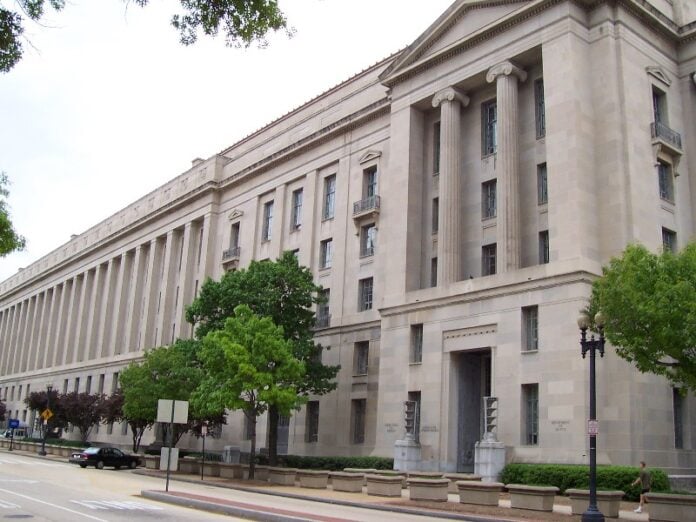
Late Sunday, that standoff ended. Blanche issued a formal Department of Justice order terminating the Anti-Weaponization Fund entirely, clearing the path for a Senate Judiciary Committee confirmation vote on his nomination as attorney general scheduled for Tuesday. The order’s language was deliberate in its finality: “This order establishes, beyond any doubt, that there is no Fund.”
No funds were transferred and no claims were paid before the termination, the department said.
The fund had been the central obstacle to Blanche converting his title from acting to permanent, a distinction that matters considerably in a Justice Department he has already been running since January. Congress created no such position; Blanche served under emergency appointment, and Trump needed Senate confirmation to close that gap. Two Republican senators made that impossible as long as the fund existed, setting up a standoff that persisted through the summer as negotiations stalled and Trump reportedly threatened to withdraw the nomination entirely and resubmit it after the holdout senators left office.
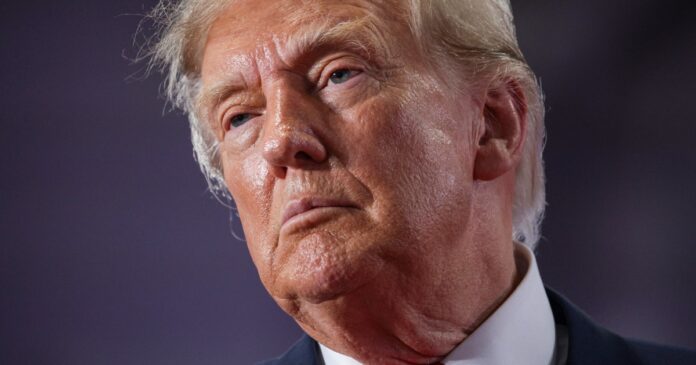
Cornyn, who had been among the holdouts, described the final days of negotiations in terms that placed the responsibility for the stall not on Blanche but on the president. “I think as far as Blanche and the Department of Justice, we were pretty much on the same page,” the Texas Republican said. “But then when the president got wind of it, he wasn’t willing to go along with it.” Trump had said publicly and repeatedly that the fund was popular and warranted, calling it fair reimbursement for people he considered victims of a rigged legal system. “A lot of people like it,” he said.
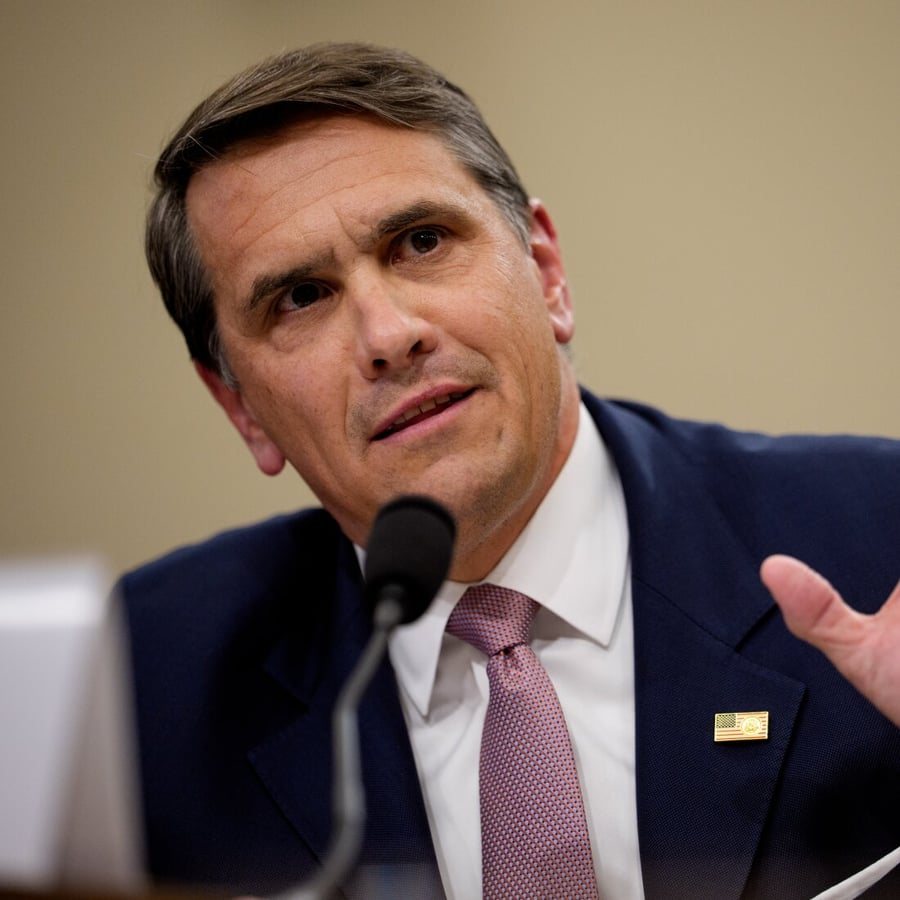
The Anti-Weaponization Fund drew its financing from the settlement of Trump’s own lawsuit against the IRS, which a federal judge later nullified, referring Blanche to a bar association for potential discipline over what the court described as a bad-faith effort to manufacture presidential immunity from tax investigations. The fund’s original settlement date was set for May 18; that date passed as litigation continued and bipartisan resistance mounted.
The fund’s link to January 6 defendants made it particularly difficult to defend in a Senate chamber where lawmakers had certified the 2020 election results over the objections of the crowd that briefly overran the building. Trump had pardoned many of those defendants early in his second term. Critics argued the fund, already blocked once by a federal judge, represented an attempt to financially compensate that constituency through mechanisms that bypassed congressional appropriations entirely.
Blanche, in a statement released Sunday, said he and his team had met with committee members and senators over several weeks to address concerns. The statement carried no acknowledgment of the fund’s particular significance or of the months it consumed. “My team and I have met with committee members and Senators over the past several weeks and addressed any concerns or outstanding questions,” he said.
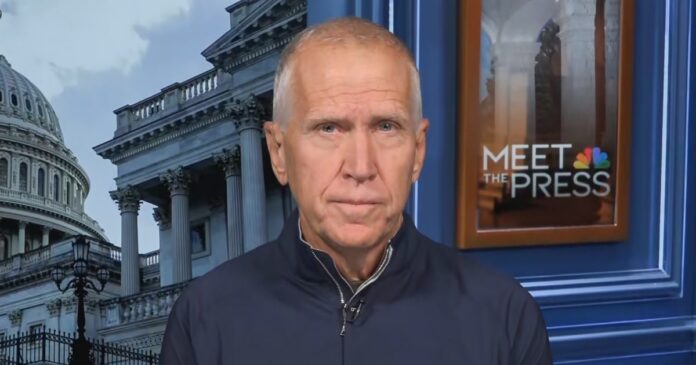
Senator Thom Tillis of North Carolina, who had moved alongside Cornyn to block the nomination pending written assurance the fund would not proceed, had not publicly commented as of late Sunday. The written assurance both senators sought came in the form of Sunday’s DOJ order.
The confirmation vote Tuesday marks the latest phase of a nomination that began in June with Trump’s announcement that Blanche, the criminal defense lawyer who represented him through his Manhattan hush-money trial conviction, would be elevated to lead the Justice Department in a permanent capacity. NPR reported Sunday on the formal termination order as the confirmation’s last remaining obstacle. Blanche has faced two rounds of Senate confirmation hearings covering the Epstein files, the political use of pardons, and the IRS settlement scheme that produced the fund, generating particular friction over the department’s handling of requests from survivors of Jeffrey Epstein’s network.
With the fund formally eliminated, the path for the two Republican holdouts to support the nomination appears clear. Whether the underlying IRS settlement structure, which generated the funds in the first place, remains subject to future reinterpretation is a question the termination order does not answer. The document declares the fund gone; it does not sever the legal architecture that gave rise to it.
Trump offered no public statement Sunday about the termination. For a president who had described the fund as warranted, popular, and a matter of fairness to people he considered wrongly prosecuted, the silence carried its own meaning.