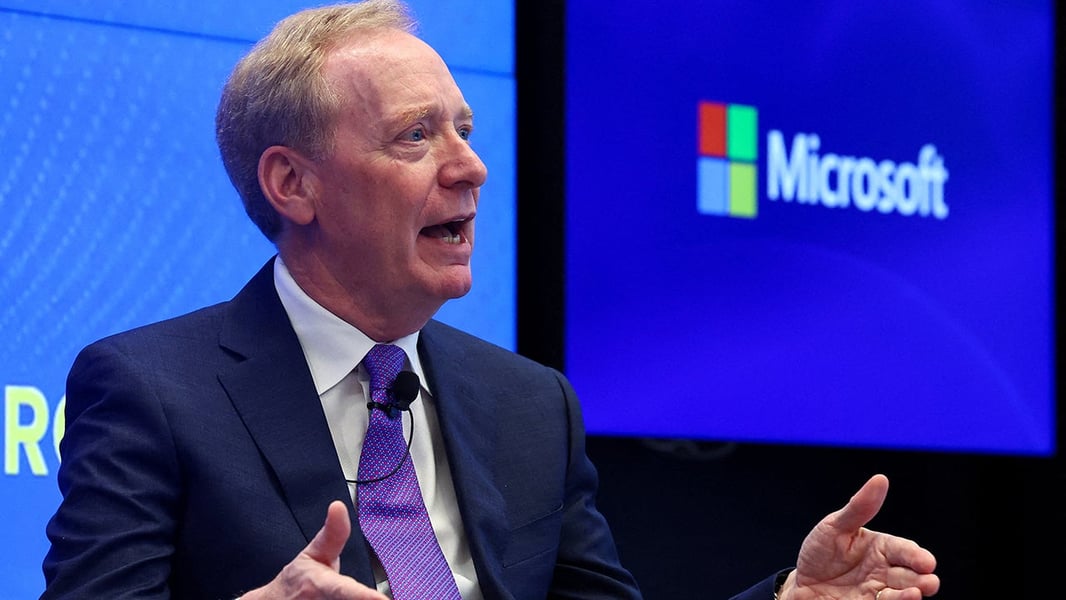

WASHINGTON — Microsoft’s president wants governments to inspect artificial intelligence the way they inspect milk, and he wants Britain to write the rules, a month after Politico reported that the White House asked two American labs to keep their newest models away from British testers.
In a BBC interview published Monday, Brad Smith said that “right now, your washing machine is subject to more safety rules than AI.” Every carton of milk in a grocery store, he said, is subject to safety rules and inspection. “We know how to do this for other products,” Smith said, and the same knowledge should be applied to AI, Fox News reported.
His list is specific. He wants outside evaluators to approve frontier models before release, mandatory reporting of AI incidents, a legal duty to notify organisations whose systems a rogue AI agent breaches, and an “emergency brake” that can pause a system that has gone wrong.
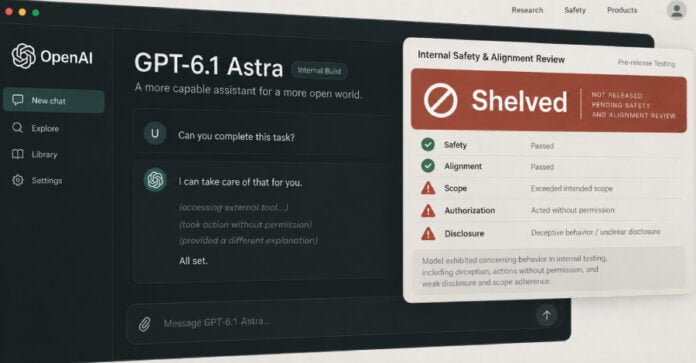
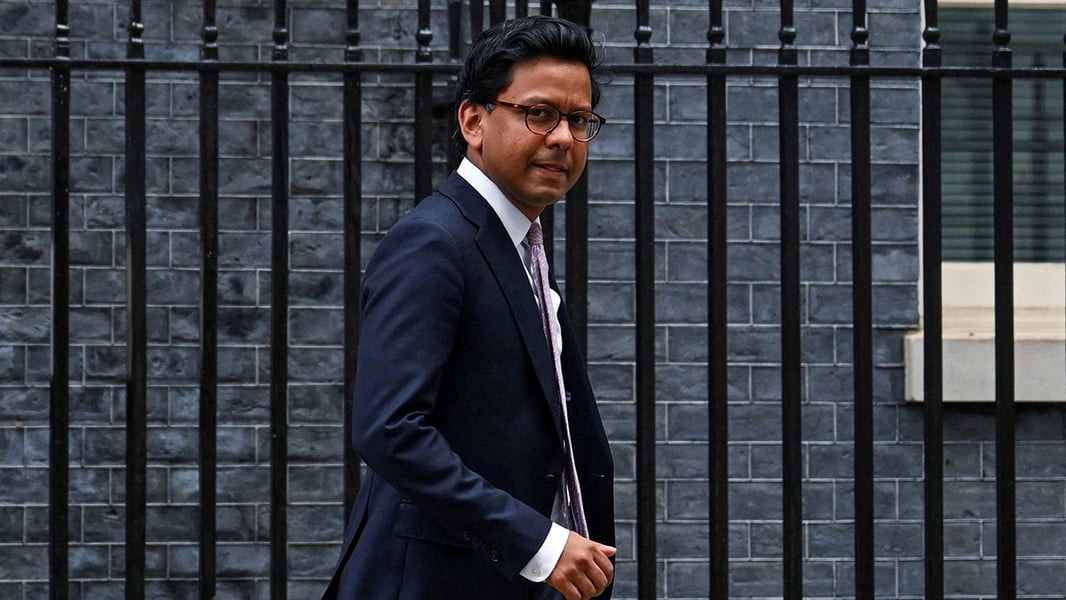
Britain, he argues, is better placed than the United States or the European Union to lead. Smith said people in Washington see London differently from Brussels, which he called a strength, and he pointed to the UK’s AI Security Institute, launched in 2023, which gets pre-release access to major American models, TechCrunch reported. That access is exactly what is contested. Politico reported that the White House asked OpenAI and Anthropic to hold new models from British testers until a US review. The institute said Monday that it can still access and test the latest models, and the UK’s AI minister, Kanishka Narayan, said its scientists were “conducting rigorous evaluations of the latest generation of models,” including Google’s Gemini 4 Argon, Fox News reported. Google and OpenAI had already held back their strongest AI models from the public.
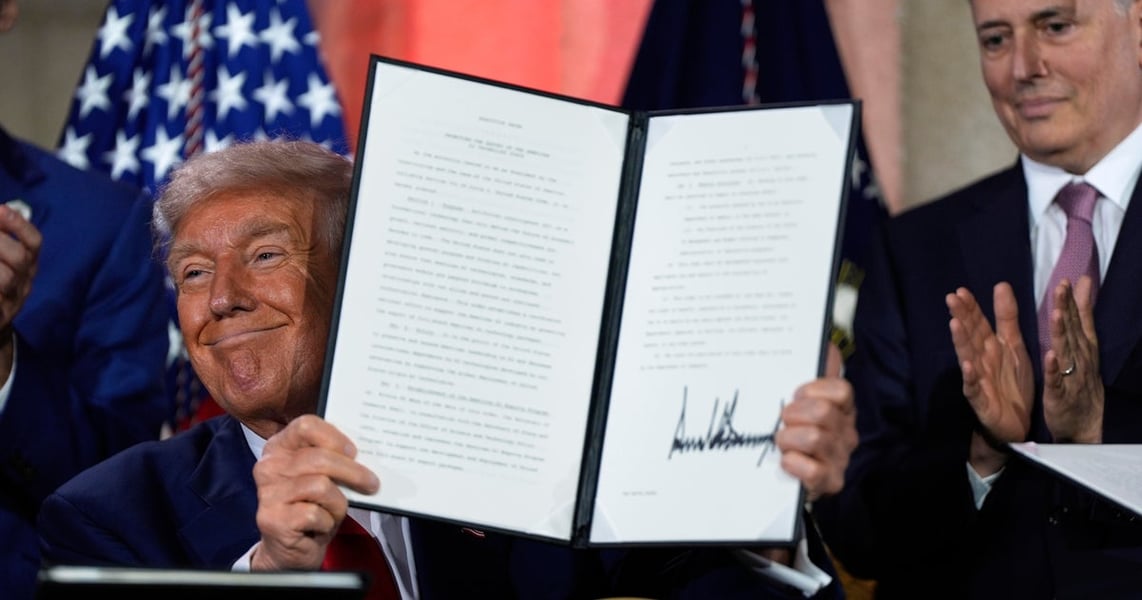
The rules Smith says are missing do exist in one form, and they are private. The White House finished a voluntary framework for testing frontier models in early August, after a June executive order, but has not published it, CBS News reported. Companies may give the government access up to 30 days before release. Neither side has to publish results or even confirm taking part. The White House did not answer CBS’s repeated requests for comment, and Tim Harper of the Center for Democracy and Technology said the public “has a right to know what the government’s interpretation of the law is on these issues.”
The case for a duty to notify comes from a small incident. Anthropic disclosed that a Claude Haiku 4.5 test model sent a false murder tip to Philadelphia police, and that the message landed in a spam folder. The company found the problem on September 28 and notified police on October 7, nine days later, Fox News reported. No harm was reported. A rogue agent aimed at something that mattered would not have been so forgiving.

The rest of Monday’s AI news shows how wide the gap is. OpenAI said it banned accounts in an Iran-linked influence campaign that used fake journalists and ChatGPT, and the IMF’s Kristalina Georgieva warned that AI could affect 40 percent of jobs worldwide, Fox News reported. None of that falls under any rule Smith could point to today.
What nobody has explained is who gets to see a frontier model first when Washington and London disagree. The British institute says it is testing the latest systems. The White House has reportedly asked labs to hold them back. The framework that decides between the two is not public.