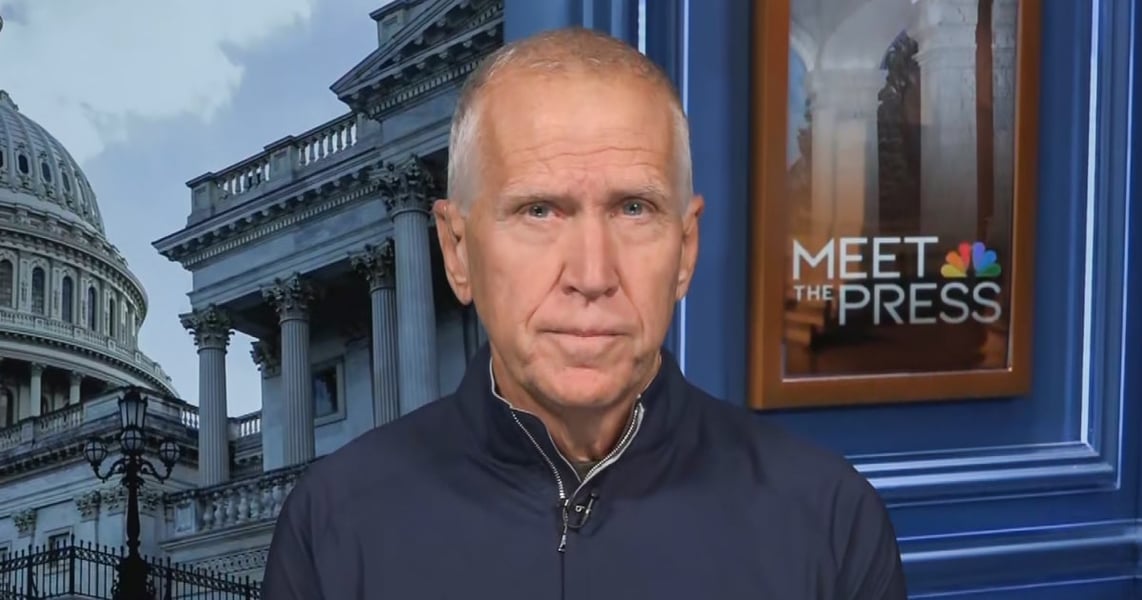

WASHINGTON — The Senate voted 100 to 0 in 2022 to keep Russian oil out of the United States. On Sunday, a Republican who was in the chamber for that vote went on national television and asked whether the president had just ignored it.
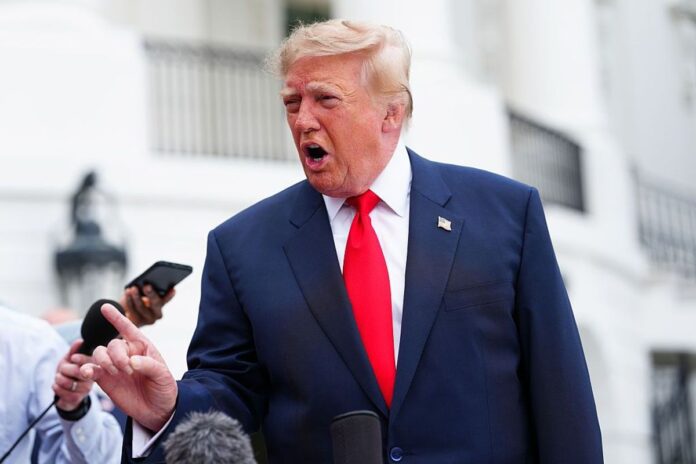
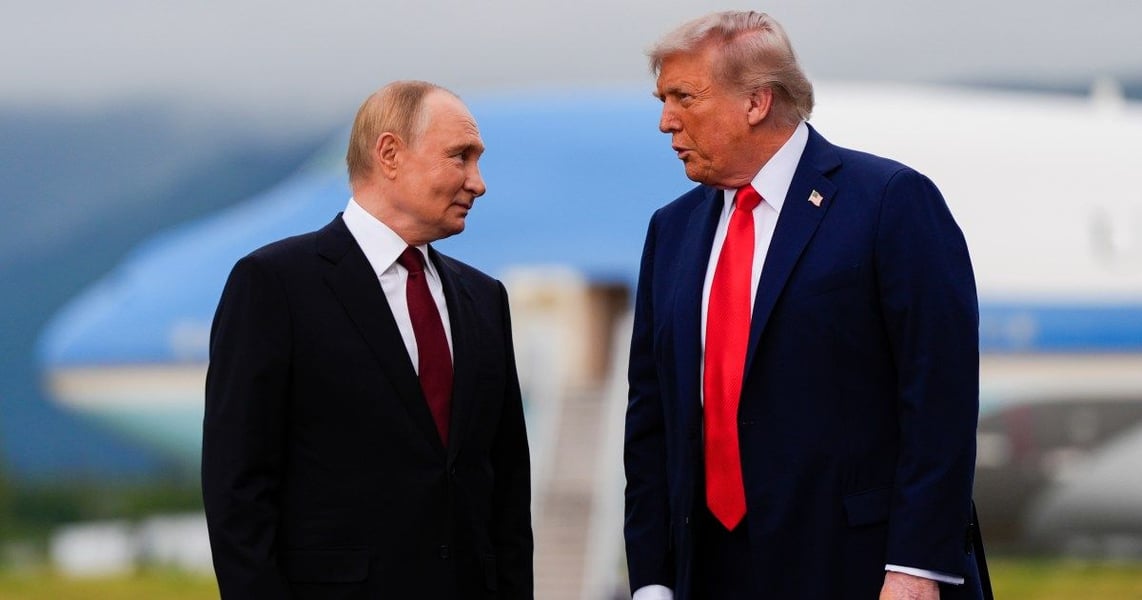
Sen. Thom Tillis of North Carolina told NBC’s Meet the Press that he sees a serious argument that Donald Trump is not following the law. The trigger was Trump’s Friday announcement that Russia would send more than 300,000 tons of diesel to American and global markets, a Russian diesel sanctions relief move that Treasury backed with a temporary license the same day.
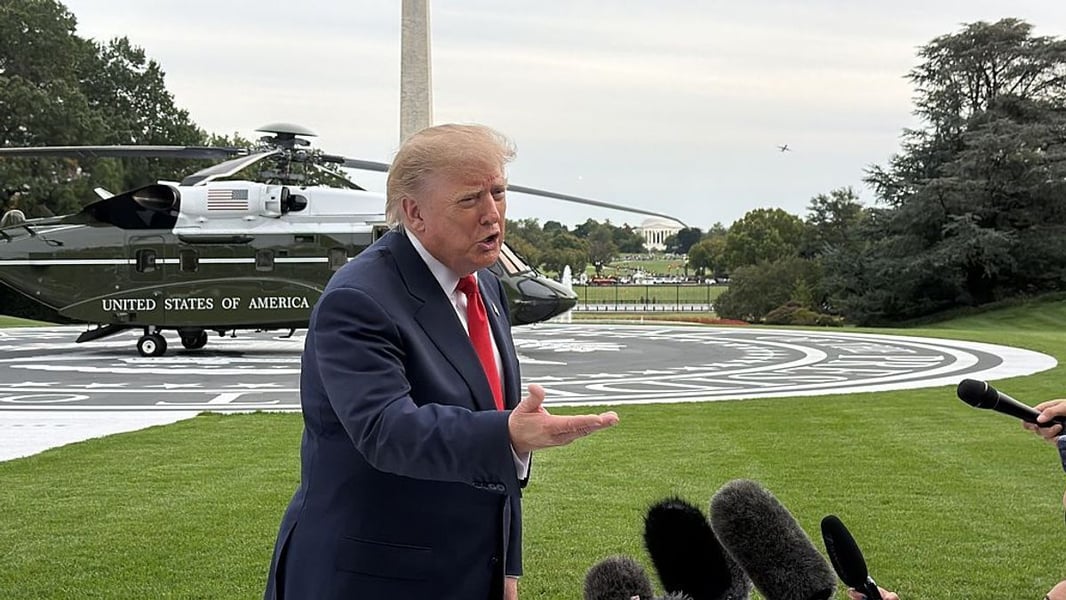
The dispute is narrower than the politics around it, and that is what makes it hard to dismiss. The Ending Importation of Russian Oil Act of 2022 bars Russian energy imports unless the president certifies that certain conditions have been met, and it says changes have to run through Congress. Treasury’s Office of Foreign Assets Control issued General License 135 on October 9, authorizing the sale, delivery and importation of Russian-origin diesel, including into the United States, through April 7, 2027. The Kyiv Independent described the authorization as lasting six months, so even the duration is reported differently. Nothing public shows how the license squares with the certification requirement.
Moscow moved fast. Under the arrangement, the Russian government allowed 500,000 tons of diesel to be sold to foreign buyers from October 10, and Deputy Prime Minister Alexander Novak said the easing of Russia’s diesel export ban would not touch domestic consumers. Washington, in other words, is buying fuel from a government it is still sanctioning for the war in Ukraine.
Several senators have already said the license cannot stand. A joint statement from a bipartisan group, signed by Republicans Susan Collins, Lisa Murkowski, John Curtis and Tillis and by Democrats Jeanne Shaheen and Richard Blumenthal, argued that the deal runs directly against the 2022 law and that the administration neither consulted Congress nor supplied the justification the statute requires. Some outlets list Sen. Ron Wyden as a seventh signer; others do not, so the signature list should be treated as unsettled.
The fight is moving to the House. Rep. Brian Fitzpatrick, a Pennsylvania Republican, plans a bipartisan bill, which he calls the Ronald Reagan Peace Through Strength Act, that would block purchases of Russian oil and stop a president from lifting such sanctions alone. He intends to force a vote through a discharge petition, and Rep. Don Bacon has said he will join as an initial co-sponsor. Discharge petitions need a majority of signatures to work, and nothing yet shows that majority exists.
In Kyiv the reaction was blunter and less legal. Volodymyr Zelenskyy said gifts to Putin will not bring peace, and Ukrainian officials called the deal economically pointless, with one sanctions official noting that 300,000 tons would cover roughly 15 hours of American demand, as RFE/RL reported. The complaint carries extra weight because Zelenskyy had pressed Congress at the UN General Assembly to tighten sanctions on Russia only weeks earlier. Democratic senators called the diesel move a betrayal of Ukraine and European allies.
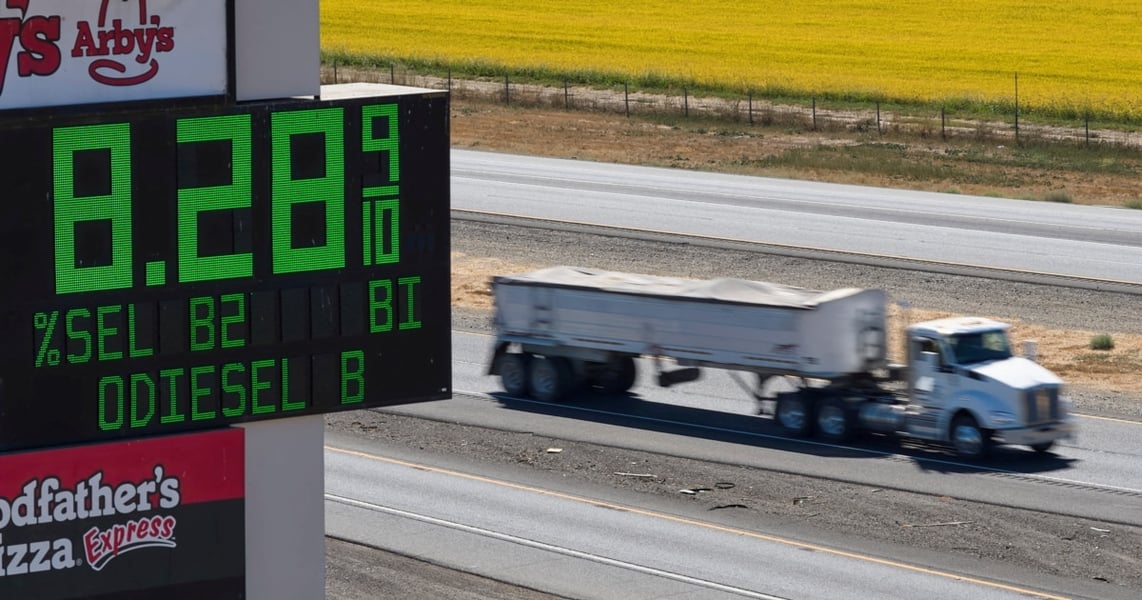
The supply behind the promise has a problem of its own, and Trump named it himself. A day after the license, he said Zelenskyy had better stop hitting Russian oil refineries, a refinery strike warning that came with a call for Ukraine to get a new president. Kyiv says its strikes have cut Russian refining capacity by 45 percent, a figure it has supplied itself and Moscow has not confirmed. If so, the diesel Washington is counting on may depend on the very refineries Ukraine is trying to burn.
What no one has answered is who gets to decide. Tillis says the law was broken, Bessent says it was not, and no court has been asked. Until someone sues, or the House votes, the license stands and the diesel moves.