
Russia’s partial lifting of its diesel export ban will not affect domestic consumers, and output will be enough to meet the announced supply commitments, Deputy Prime Minister Alexander Novak said on Saturday.
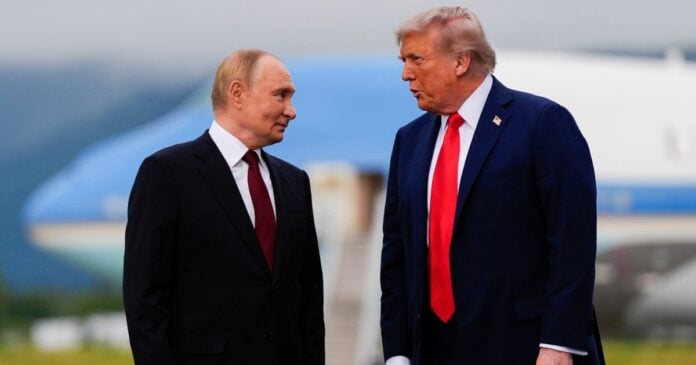
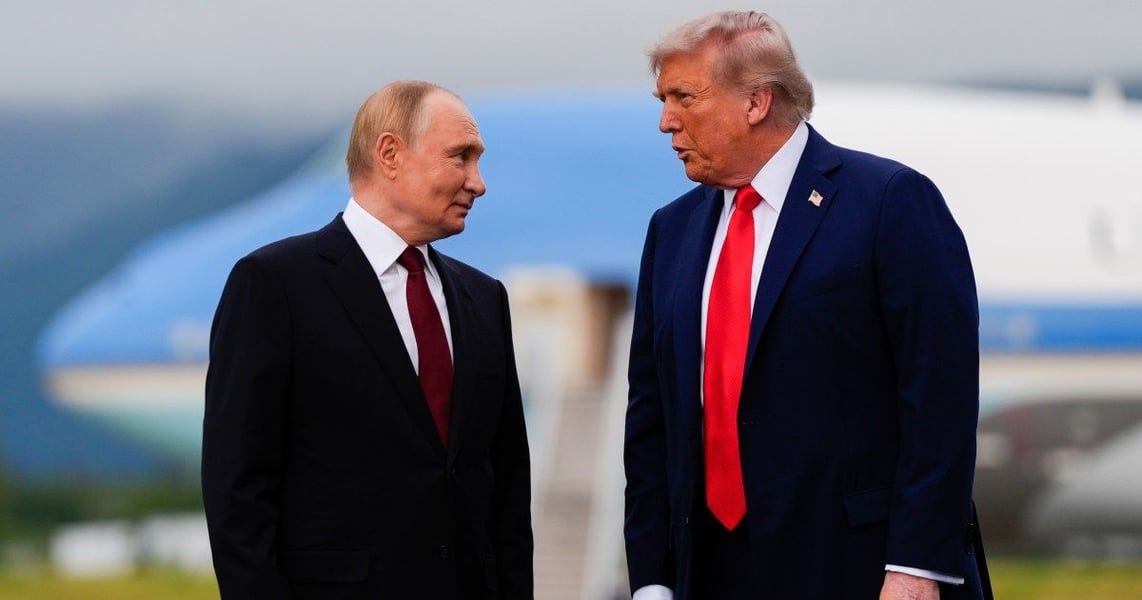
The Russian government decided to ease the ban on diesel exports as part of agreements between President Vladimir Putin and US President Donald Trump. The government said the partial lifting takes effect immediately.
“This decision will not affect the interests of Russian consumers. Diesel fuel in Russia is produced from Russian oil at domestic oil refineries. The production volumes are sufficient to fully meet both the domestic market and supplies in the specified volumes to the global market,” Novak said, as quoted by the Russian Cabinet.
What the Deal Includes
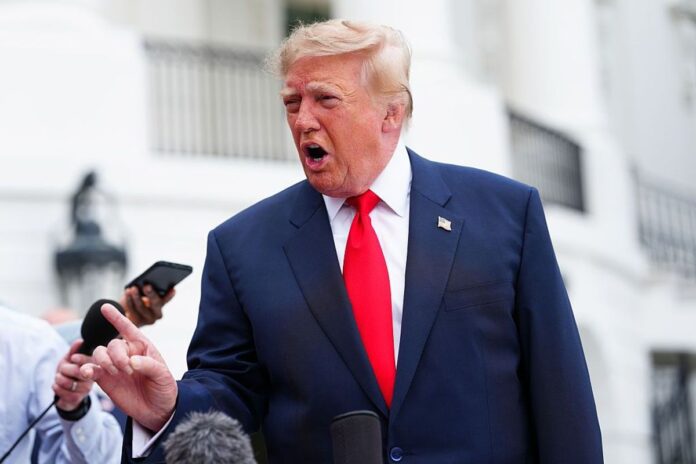
Trump announced the arrangement on Friday on social media after a phone call with Putin. He wrote that Russia would immediately supply over 300,000 tons of diesel fuel to the American and global marketplace, another 500,000 tons during November, and 1 million tons immediately thereafter. Based on the condition of its refineries, he said, Russia would then deliver 3 million tons within a short period.
Novak told the state news agency TASS that Russia is “immediately starting to lift restrictions on diesel exports ahead of schedule.” He said Moscow could start supplies to the United States this month and that the domestic market would be fully supplied with diesel.
The US Treasury moved quickly to provide legal cover. Its Office of Foreign Assets Control issued a temporary general license that allows the sale, delivery and importation of Russian-origin diesel into global markets and the United States until April 7, 2027. The Associated Press noted that it is the first license since the start of the Ukraine war in February 2022 to ease sanctions on diesel for longer than the standard 30-day window.
Why Russia Banned Diesel Exports
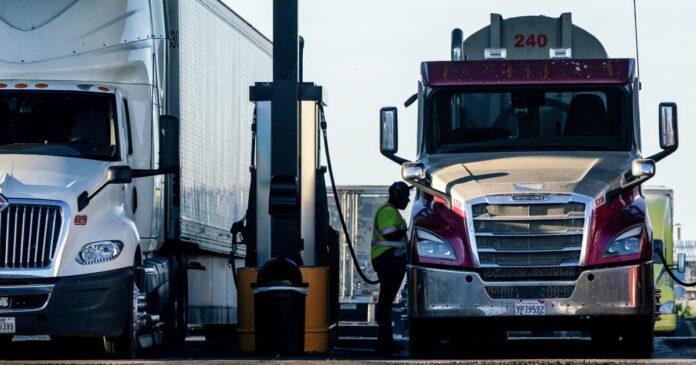
Russia banned diesel exports in July as it struggled to meet demand at home, after repeated Ukrainian drone attacks on its oil refineries. The International Energy Agency says Russian diesel output has fallen by about 30 percent. The restrictions were later extended, most recently on September 30, when the government pushed them to the end of October, according to Reuters.
On October 2, Novak had said Russia would consider a partial lifting of the restrictions in the event of overproduction. The Trump-Putin agreement a week later brought the change forward.
Diesel prices are the backdrop. AAA data cited by the AP put the US national average at $6.28 a gallon, after a record $6.52 on September 22, as the war in Iran upended the energy sector.
Reaction and Doubts
The deal drew sharp criticism. Ukrainian President Volodymyr Zelensky said that allowing Russia to sell petroleum products is “an investment in a war that must be ended, not prolonged,” according to The Week. He also said the timing was unfair, since a Ukrainian delegation was meeting US envoys Steve Witkoff and Jared Kushner in Miami when the deal was announced.
In Washington, Senate Democratic Leader Chuck Schumer and Senators Jeanne Shaheen and Elizabeth Warren called the announcement a betrayal of Ukraine, the AP reported. Critics also pointed to the Russia sanctions law Trump signed last month, which directs tariffs of up to 100 percent on the top importers of Russian oil and gas.
Analysts doubted the deal would change much. The New York Times noted that the amounts are small relative to global demand. CNN reported that the first two tranches would meet roughly a day and a half of US demand, and that diesel futures fell about 4 percent on Friday. Clayton Seigle of the Center for Strategic and International Studies told the AP the deal would probably not do much for prices. Gregory Brew, an energy analyst, told CNN that if Putin delivers, it would be only a temporary fix.
Trump announced the agreement with less than a month to go before the midterm elections. The AP described it as a stunning reversal of years of US pressure on Moscow over the war in Ukraine.
What to Watch Next
The main risk to Novak’s assurances is the refinery campaign that triggered the ban. CNN reported that former US officials were unsure whether Putin has the quantities Trump cited, and that Kyiv reported strikes on five Russian refineries, with the latest confirmed shortly after Trump’s announcement.
Because the larger volumes are tied to the condition of those refineries, renewed damage could slow shipments. Putin said on the call with Trump, according to the Kremlin, that he was confident the supplies would have a positive effect on the global economy.
For now, Moscow’s message is that Russian motorists are protected. Whether that holds will depend on refinery output, the pace of Ukrainian strikes and how closely Russia follows the delivery schedule Trump has announced publicly.