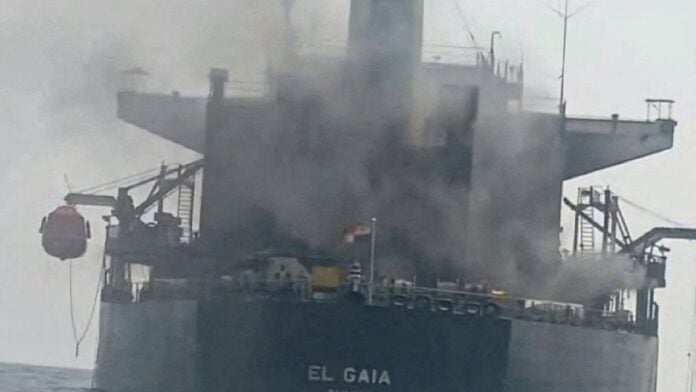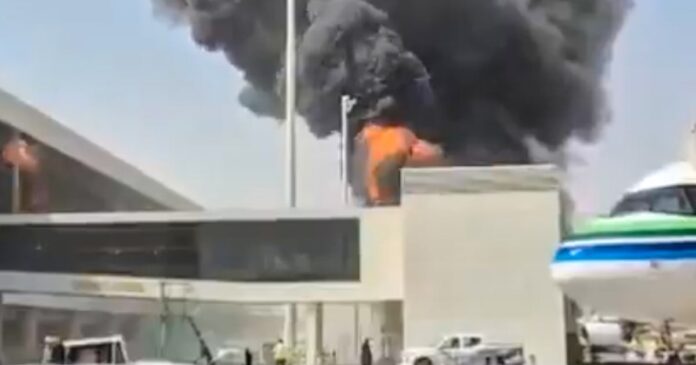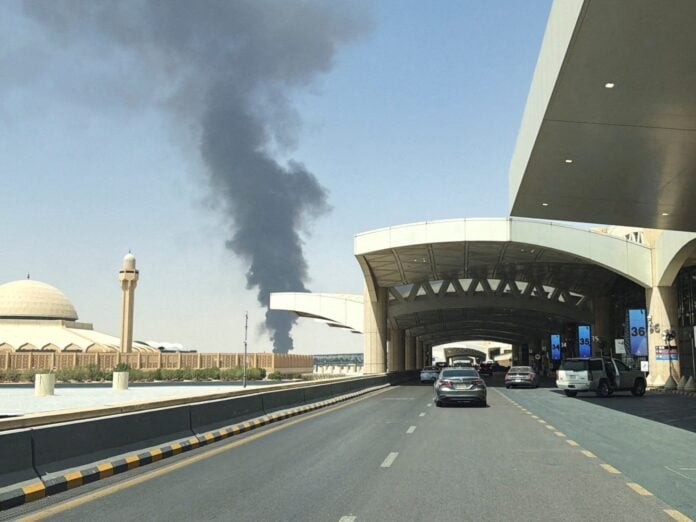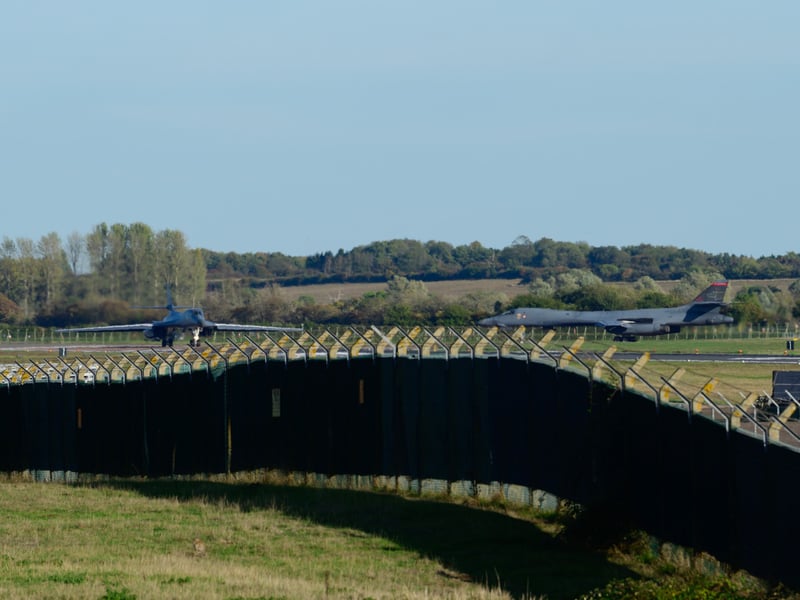

LONDON — The British government has made its strongest public accusation yet over the suspected security incident near RAF Fairford, saying Iran’s Islamic Revolutionary Guard Corps almost certainly directed a plot against the base. But the announcement has not answered the central question: what evidence links Tehran to the suspects, and how much of that evidence can be tested publicly?
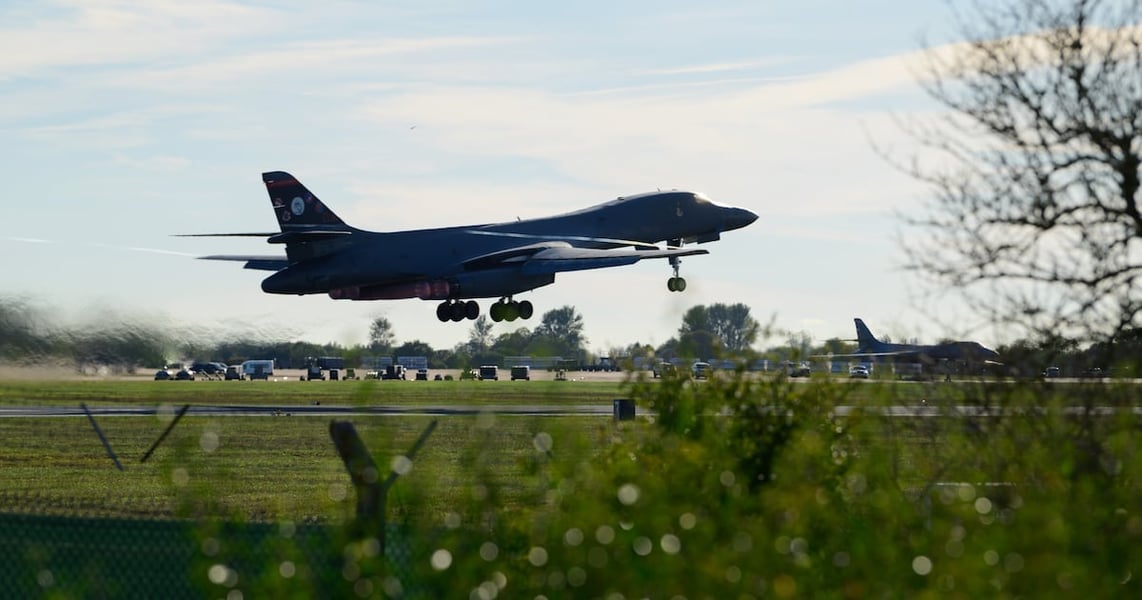
The allegation carries consequences beyond the investigation. RAF Fairford has been used by US bombers involved in operations against Iran, and the latest British statement places a disputed security episode inside an already widening confrontation between London and Tehran. The broader conflict remains unresolved, with Trump ruling out Iran strikes until November doing little to settle the underlying dispute. Iran has denied involvement and said it is willing to cooperate with the inquiry.
Prime Minister Andy Burnham told Parliament on October 12 that the British assessment was that the incident was highly likely to have been coordinated in Iran and almost certainly directed by the IRGC. The government also announced sanctions against two Iranian nationals and joined a statement with 28 other countries condemning alleged Iranian state-backed activity abroad. Those are official positions, not a public presentation of the underlying intelligence.
Al Jazeera reported that five British men in their 20s were arrested near the Gloucestershire base on September 27 on suspicion of terrorism and explosives offences. Police found petrol in three vans associated with the suspects, but no explosives, the report said. The men were later released on police bail under stringent conditions. Further arrests followed, including a British-Iranian national, while investigators continued to examine whether a foreign state was involved. The public record described by the outlet does not establish that the suspects have been charged or that a planned attack was proved. Al Jazeera’s report on the RAF Fairford investigation sets out the allegation, the arrests and Tehran’s response.
Sanctions can restrict a person’s access to money, travel and business roles, but they are not a criminal verdict. Nor do the published notices disclose the intelligence behind the government’s attribution of the Fairford incident. That distinction matters because the public is being asked to accept two connected but separate claims: that the men near the base were involved in a serious plot, and that the operation was directed by an Iranian state body. The government has stated its conclusion; the available public material leaves the evidentiary bridge between the two largely unseen.
The diplomatic response has been coordinated. A joint statement issued on October 12 by foreign ministers from 29 countries recognised Britain’s attribution of Iranian involvement and accused Tehran of using covert networks and proxy actors. It also referred to other alleged attacks in Europe against Jewish communities, Iranian journalists and US interests, including activity claimed by Harakat Ashab al-Yamin al-Islamiya. The statement signals that London has support for its position among close partners, but the number of governments endorsing an attribution does not itself disclose the evidence on which it rests.
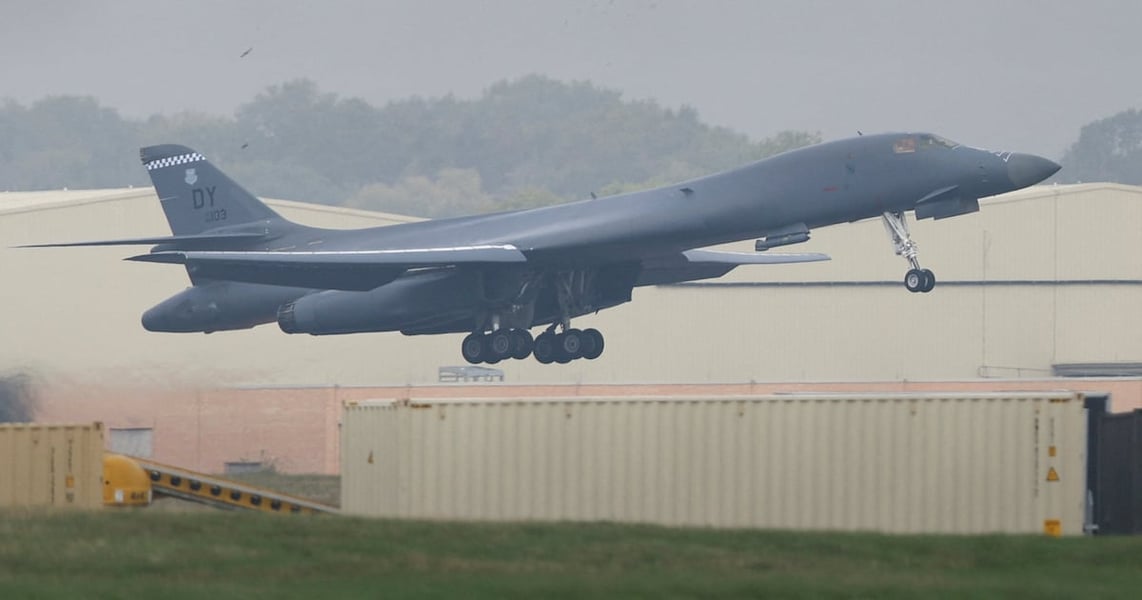
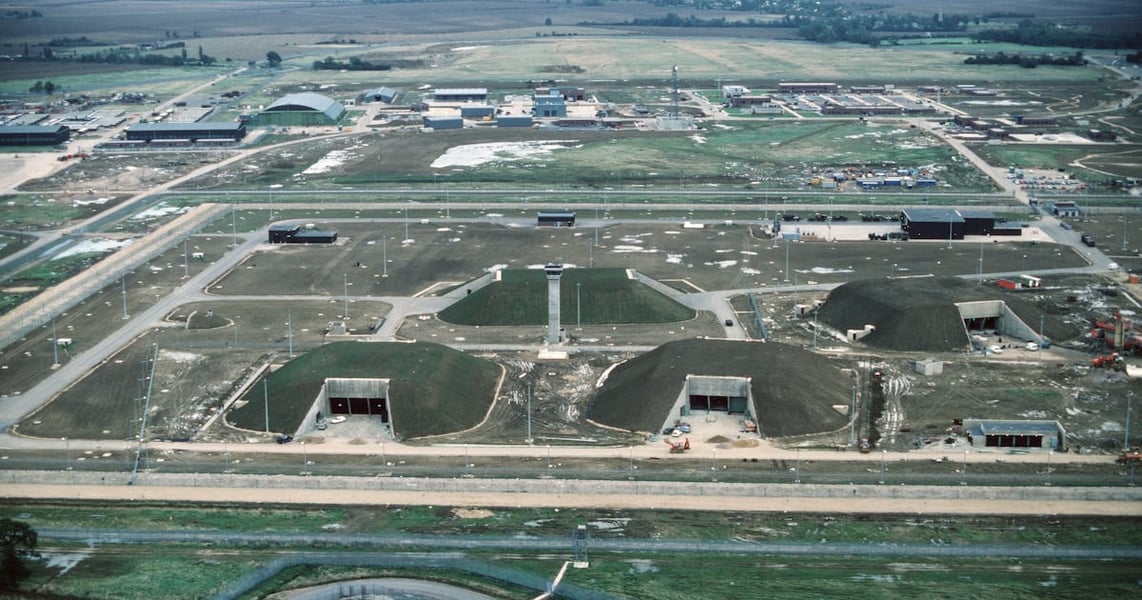
The base’s role helps explain why the incident has drawn such attention. RAF Fairford is a preferred European staging point for US strategic bombers, and its use in the Iran conflict gives a security scare there a wider military significance. A previous dispute over UK bases for US strikes on Iran had already made the facility a politically sensitive part of the conflict. US bombers were moved from the facility earlier in October amid concerns about a possible drone attack, Al Jazeera reported. The public information does not show whether the suspected plot had progressed beyond the stage described by police, or whether investigators have recovered evidence demonstrating operational direction from Iran.