
NEW YORK — The Trump administration told a court it was finished with its taxpayer-funded television ads. A federal judge decided that promise was not enough. On Sunday evening, U.S. District Judge Jennifer Rochon ordered the government to cancel every remaining airing of the pro-Trump spots, including those booked for that night, NBC News reported.
Rochon’s four-page order, issued in Manhattan, took effect at 6:45 p.m. Eastern and runs for two weeks, according to The Hill. It bars the use of money appropriated to the Department of Homeland Security to develop, place or air the challenged advertisements, and it directs the government to cancel remaining ad reservations, Politico reported.
The timing is the point. On Saturday, Holly Mehringer, who performs the duties of the DHS chief financial officer, told the court the department had directed its vendor not to make additional media buys past October 11, The Hill reported. The administration argued there was nothing left for a judge to stop. Rochon disagreed. She found the dispute was not moot and that the plaintiffs were likely to succeed on the merits and would suffer irreparable harm without an injunction, CNBC reported. She also canceled a Tuesday hearing, saying the weekend filings gave her enough to rule, according to Politico.
The ads themselves were bought with border money. Politico reported that Customs and Border Protection issued a $20 million purchase order to the contractor LMD Media on September 20, drawing on an appropriation under the Working Families Tax Cut Act that allowed spending on activities “commemorating efforts and events related to border security.” About $19 million had been spent on a national run across Fox, CNN, MSNOW, Newsmax, CBS, ABC and ESPN, Politico said.
It is the second time in a month that Trump’s handling of public money has raised legal and political alarms ahead of the midterms. Questions over how the White House would fund its proposed $5,000 dividend checks drew scrutiny in September, and this ruling puts a federal court on record about a different pot of money.
The people who sued include Robert Hunter, a Democratic candidate for Alabama’s state House District 28. In a statement released by Campaign Legal Center, one of the groups representing the plaintiffs, Hunter said the president had chosen to take a personal political interest in his race and use taxpayer-funded resources to advocate for his opponent. The other plaintiffs are Common Cause and SEIU Local 32BJ, The Hill said. The Democratic National Committee and its Wisconsin arm filed separate suits, and the DNC asked a court to declare the ads illegal and stop federal money from paying for them, NBC News reported. In a statement after the ruling, the plaintiffs said they were pleased the court moved quickly to stop more taxpayer dollars from funding what they called “blatantly unlawful political propaganda,” CNBC reported.
The ads ran on national television for about two weeks before the court stepped in, Politico reported. The challenges built quickly. Common Cause publicly demanded on September 28 that the government stop spending taxpayer dollars on what it called pro-Trump propaganda on cable television, and two lawsuits, including its own filed October 7, followed within days, the Associated Press reported. The White House has described the spots as public service announcements, the AP reported. Rochon’s finding that the plaintiffs are likely to succeed is preliminary, and the full case on the merits still lies ahead.
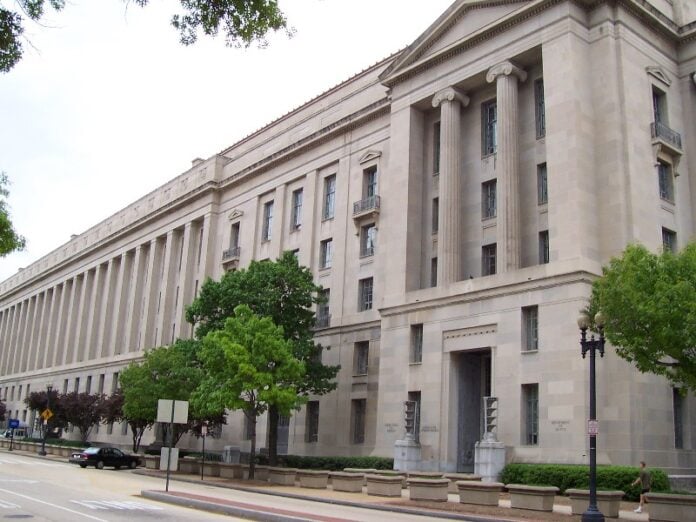
What the Justice Department did not argue matters as much as what it did. It told Rochon the challengers had no right to sue, had filed in the wrong place and would face no irreparable harm because the campaign was ending, The Hill reported. Its filing did not defend whether the ads were legal. Common Cause answered that a promise to stop “soon” was an attempt to run out the clock, Politico reported.
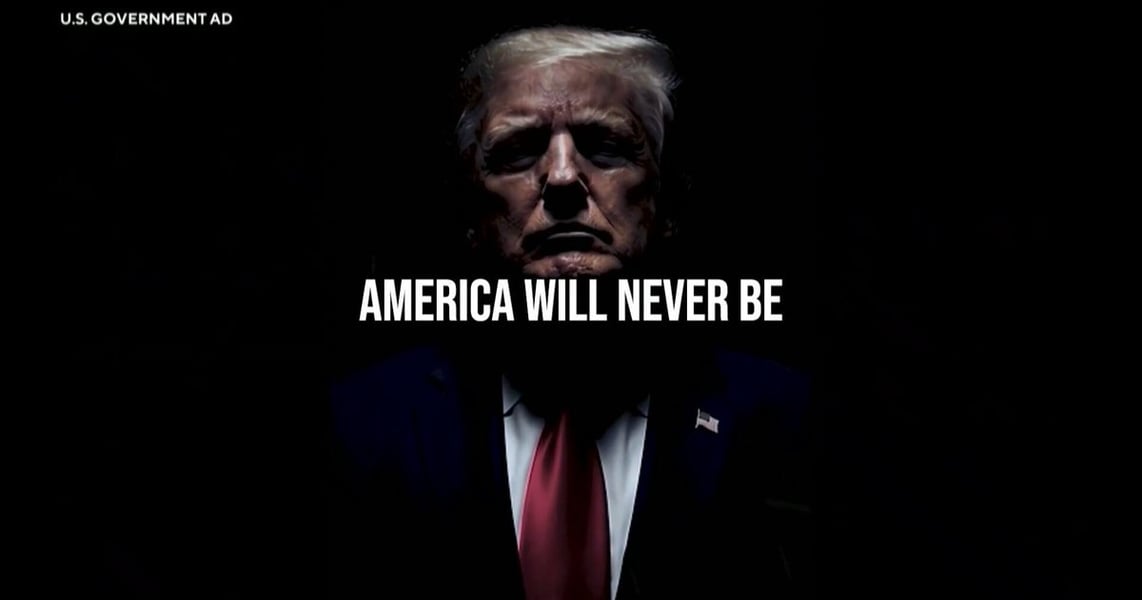
The money fight does not end with the injunction. Trump announced plans to replace the government-funded ads with spots paid for by his political committee, MAGA Inc., and officials told Politico he does not intend to reimburse the Treasury for the first $20 million. Nothing in the reported language of Rochon’s order addresses private political money.
The ruling arrives amid a run of court fights over presidential power. On Thursday, a federal judge extended a block on Trump’s White House ban of CNN, MS NOW and Politico, and in September another judge blocked a loyalty question from 70,000 civil service job listings.
This weekend the Justice Department also said it was investigating five major TV networks over their handling of White House pool coverage.
With the midterms weeks away and races such as Ohio’s Senate contest rated a dead heat in September, the question of who pays for political messaging is no longer abstract. The injunction lasts two weeks unless the court extends it, and the reporting reviewed did not say whether the administration will appeal.