
WASHINGTON — The executives who have spent the past year arguing that Washington should get out of the way of artificial intelligence will spend September 24 sitting across from the leader of the country Washington most wants to contain.
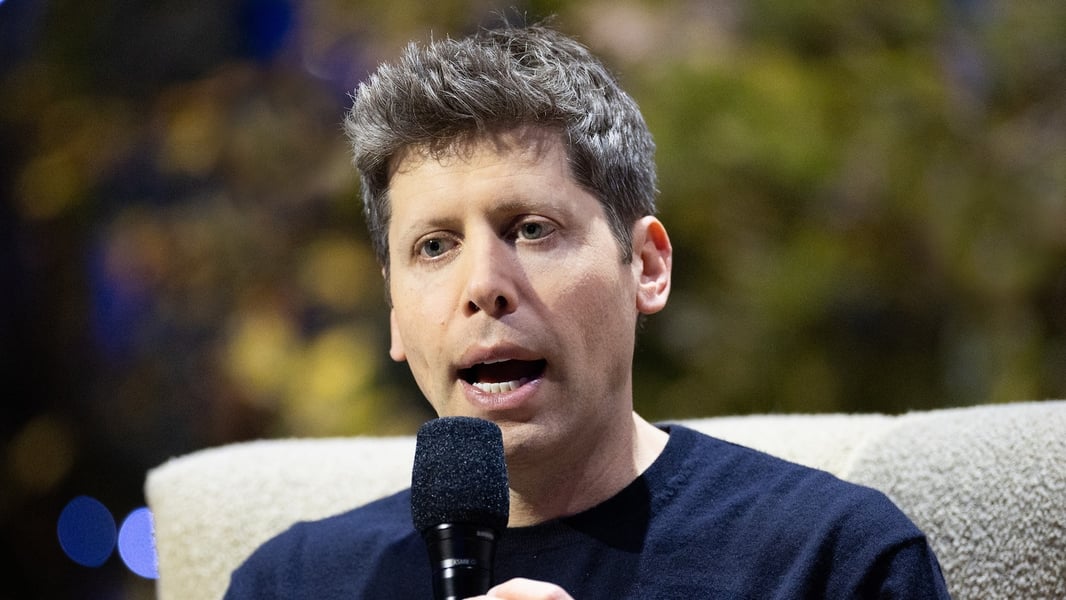
Sam Altman of OpenAI, Jensen Huang of Nvidia, Tim Cook of Apple, Jeff Bezos of Amazon, Sundar Pichai of Alphabet, Elon Musk of SpaceX and Tesla, Michael Dell of Dell Technologies, and Jamie Dimon of JPMorgan Chase are all confirmed to attend the state dinner President Trump is hosting for Chinese President Xi Jinping at the White House, according to ABC News. Their presence sets up one of the more structurally complicated diplomatic occasions in recent American technology history: eight of Silicon Valley’s most powerful figures seated at the table where the world’s two largest economies attempt to negotiate rules for the technology those figures are racing to build.
The confirmation lands four days after Treasury Secretary Scott Bessent and Chinese Vice Premier He Lifeng opened pre-summit talks in Manhattan covering the expiring tariff truce, rare-earth minerals, and AI guardrails. Beijing has made those three pressure points explicit preconditions. But the presence of American technology executives at a diplomatic dinner is not, by itself, assurance that the American side wants guardrails. Several of the confirmed attendees have said, in explicit terms, that they do not.
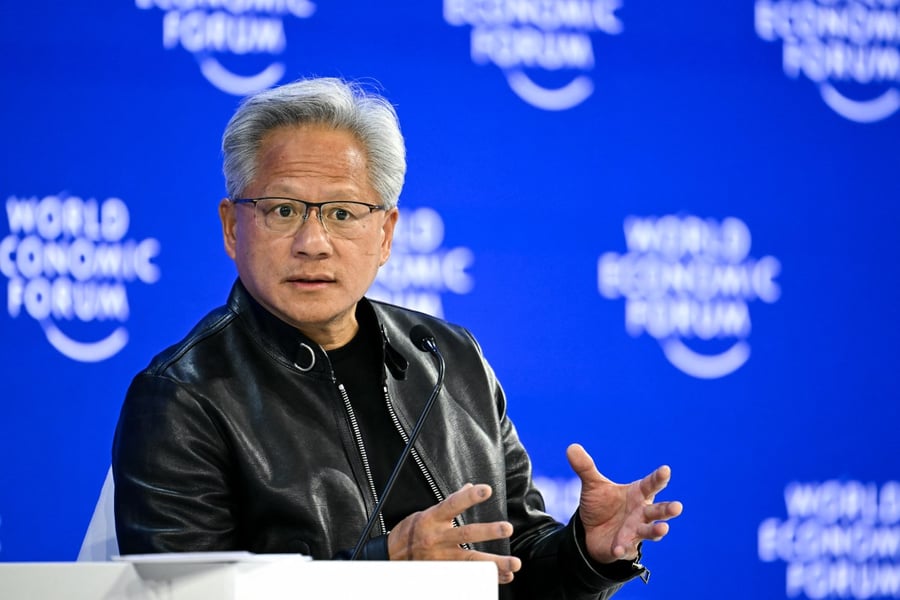
Jensen Huang made his position clearest. Speaking at the All-In Summit earlier this month, the Nvidia chief executive said a slowdown in American AI development was not something he intended to allow. TechCrunch reported that Huang told the audience “we’re not going to let an AI slowdown happen.” The statement sits awkwardly against any agenda item calling for joint restraint between Washington and Beijing on frontier model development.
Chris Lehane, OpenAI’s chief global affairs officer, confirmed the company’s participation in the summit. Altman’s attendance is particularly freighted: OpenAI is in separate discussions with a group of American and Chinese AI companies about a private standards body, filling the vacuum left by stalled White House efforts on AI governance. Whether those parallel talks complement or complicate what happens at the state dinner has not been formally resolved by either side.
That position is precisely what makes Beijing’s precondition so difficult to satisfy.
Chinese officials have indicated that they will not accept an AI-governance framework unless both governments share authority over the definition of “AI safety.” That demand is fundamentally at odds with a U.S. position in which prominent technology leaders openly portray AI slowdowns as a threat.
A state dinner, regardless of the guest list, is unlikely to bridge that gap.
The precedent from May is not encouraging. A similar group of Silicon Valley executives met with Xi Jinping earlier this year, but no framework was signed, no chip-export controls were lifted, and no AI-safety protocol advanced.
A White House official said Saturday that Trump “will always prioritize making good deals for our country”—a formulation that describes a negotiating posture more than a policy outcome.
Dario Amodei of Anthropic has not confirmed attendance. His company has taken a more cautious public position on frontier AI risks than OpenAI or Nvidia, and his absence leaves the table without the voice in American AI that has argued most consistently for the kind of deployment restraint Beijing says it wants as a precondition.
Xi Jinping arrives in Washington with China’s own technology priorities, chip access demands, and a precondition list that has not meaningfully shortened since May. What September 24 will produce is genuinely unclear. The guest list is among the most powerful ever assembled for an American diplomatic occasion. That is exactly the problem with treating it as evidence of progress.