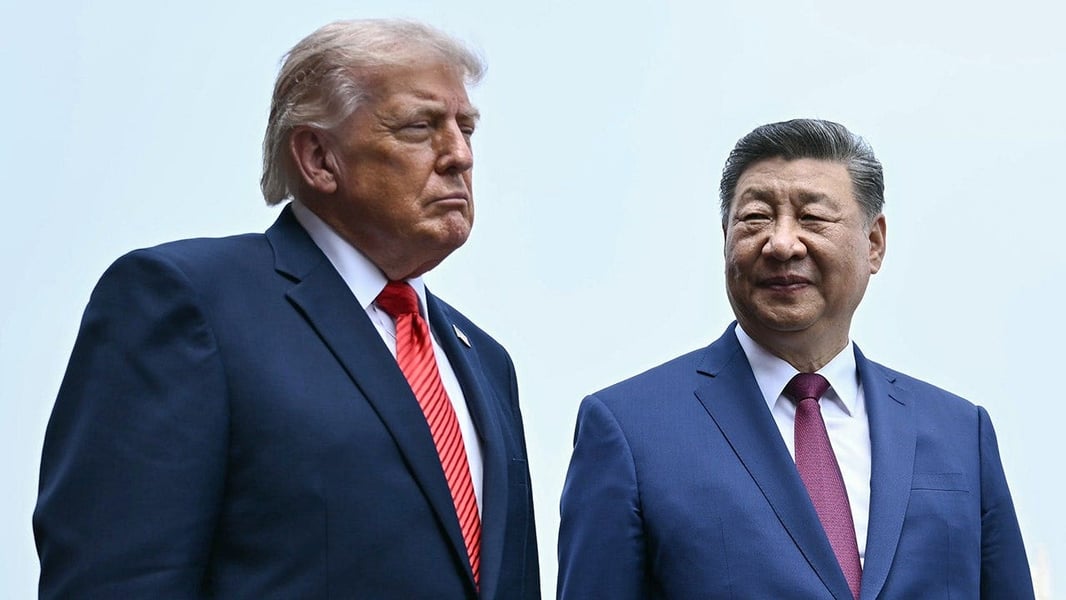

NEW YORK — In four days, Donald Trump will welcome a Chinese president to the White House for the first time in eleven years. The Strait of Hormuz is still closed. The Iran war is in its seventh month. And as of Sunday morning, the man scheduled to arrive in Washington on Wednesday has not appeared clearly in public since he quietly withdrew from a state dinner in New Delhi eight days ago.
The Wall Street Journal reported Sunday that questions about Xi Jinping’s health are casting a shadow over the state visit ahead of his September 24 arrival at the White House, the reciprocal leg of a summit exchange that began with Trump’s own trip to Beijing in May. Xi arrived at the eighteenth BRICS summit in New Delhi on September 12, a gathering that also produced the first substantive Modi-Xi bilateral in years, and departed the following morning after attending only one meeting, skipping a leaders’ gala dinner to which he had been invited. India’s Ministry of External Affairs subsequently issued a statement labelling claims that world leaders fell ill at the summit as “malicious” and “fake.”
Beijing has not offered a direct rebuttal. Chinese state media have continued to issue items carrying Xi’s name, including a letter on September 16 and remarks on trade policy on September 17. But no new footage of the Chinese president in person has been released since his departure from New Delhi, and the Communist Party has offered no comment on his condition. That absence, in a political system where leader visibility is managed with near-surgical precision, reads as its own statement.
The White House has not adjusted its plans. Fox News reported that Trump will personally travel to Joint Base Andrews to greet Xi when his plane lands Wednesday, an unusual gesture of protocol for what both sides have described as a full state occasion. The White House released Xi’s formal itinerary on September 18, covering an arrival ceremony, bilateral sessions in the Oval Office, and a state dinner.
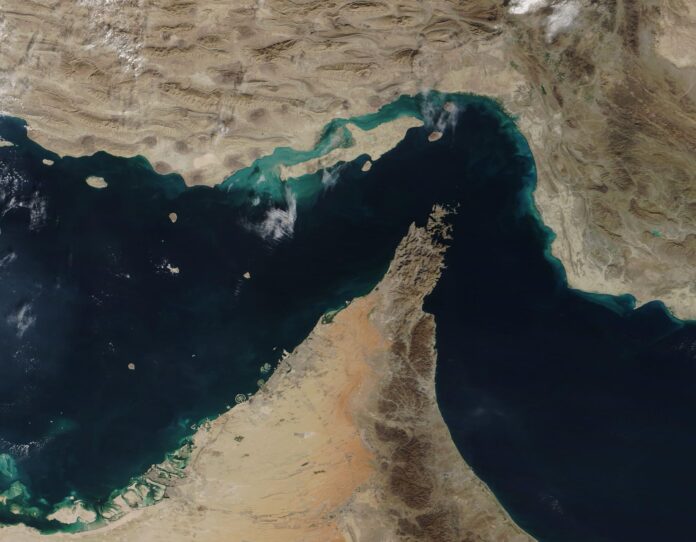
None of the published agenda describes what will almost certainly dominate at least one private session: the Strait of Hormuz.
China imports roughly half its crude oil through the Persian Gulf corridor and the Strait, and Iran’s closure of the waterway, now in its tenth week, has compelled Beijing to redirect tankers around the Cape of Good Hope and scale up pipeline flows that cannot replace the lost volume. The economic cost has been substantial. The diplomatic cost has been more complex. Beijing cannot publicly support Iran’s position without inviting secondary sanctions from Washington, and it cannot publicly press Tehran to reopen the strait without undermining the Chinese narrative that it does not interfere in the affairs of sovereign states.
TRT World reported that China’s vice premier visited Washington ahead of the summit to address trade disagreements, a session that produced no breakthroughs on semiconductors but confirmed both sides’ intent to hold the summit as scheduled. Iranian Foreign Minister Araghchi visited Beijing last week and met Chinese Foreign Minister Wang Yi in a session both sides described in terms designed to convey warmth without specifics. What is known, through this outlet’s reporting on China’s push to reopen Hormuz, is that Beijing has been pressing for arrangements that would allow commercial shipping to resume through the strait before any broader deal is concluded, and that Iran has linked any such opening to Washington’s acceptance of its seven conditions, transmitted through Qatari mediators last week.
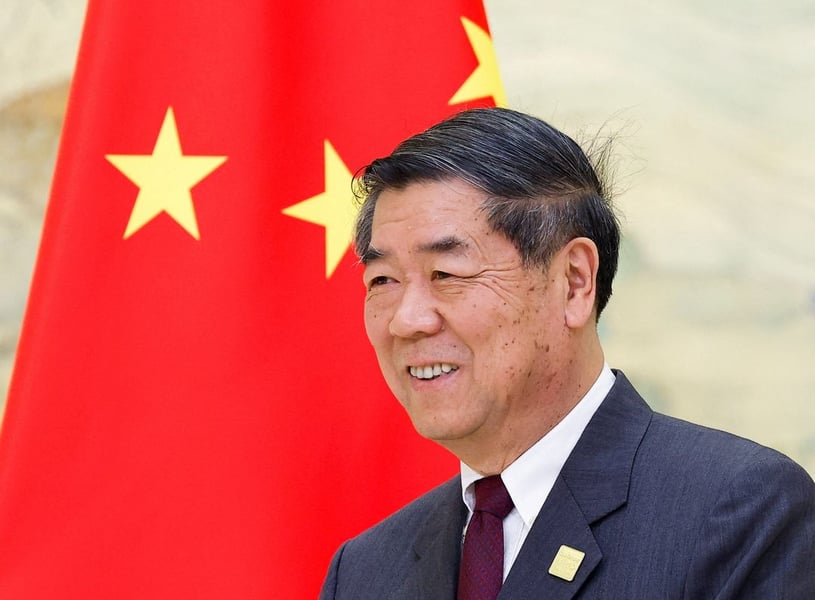
For Beijing, the summit’s value extends beyond any single file. China saw a notable jump in exports last month, much of it driven by AI hardware demand, and Xi arrives with a large business delegation and concrete asks: a 90-day extension of the tariff pause Washington confirmed on September 18, movement on semiconductor export restrictions, and a commitment not to escalate Taiwan military posture before the November midterms. The tariff extension has already been confirmed.
What remains unresolved is the harder set of issues: AI-governance frameworks, export controls on advanced chips, Taiwan’s military-exercise calendar, and whether the Iran war will create enough shared economic pain to prompt even a quiet message from Beijing to Tehran that the Strait of Hormuz must reopen.
The U.N. General Assembly’s general debate begins this week. Iranian President Masoud Pezeshkian is expected to address the assembly on Wednesday, the same day Xi Jinping arrives at Joint Base Andrews.
Tehran will use the U.N. podium to present its conditions for a settlement to the broadest possible audience. Whether anything discussed in the Oval Office that afternoon connects with Iran’s public message from the General Assembly rostrum is one of the questions this week cannot yet answer.
The health question will answer itself, or it will not, by Wednesday.