
TEHRAN — The calculus Tehran has been working toward for nine days came into plain view on Saturday, when the speaker of Iran’s parliament stood before lawmakers and declared that his country had made a strategic choice: it would do both at once.
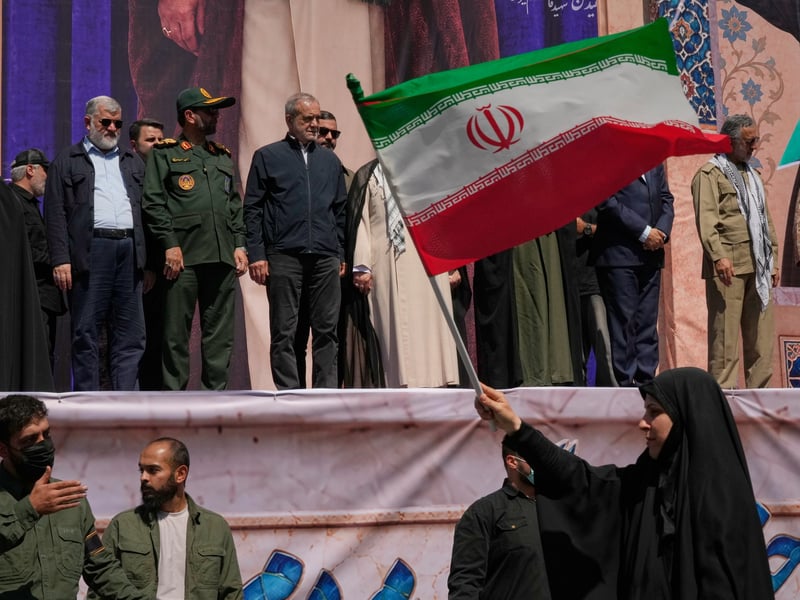
Mohammad Bagher Ghalibaf, addressing an open session of the Islamic Consultative Assembly, rejected what he described as the false binary being offered to Iran’s leadership, the idea that a country at war must either fight or negotiate. “One must both fight and negotiate,” Ghalibaf told parliament, as Middle East Eye reported. “These are not two roads. They are the same road.”
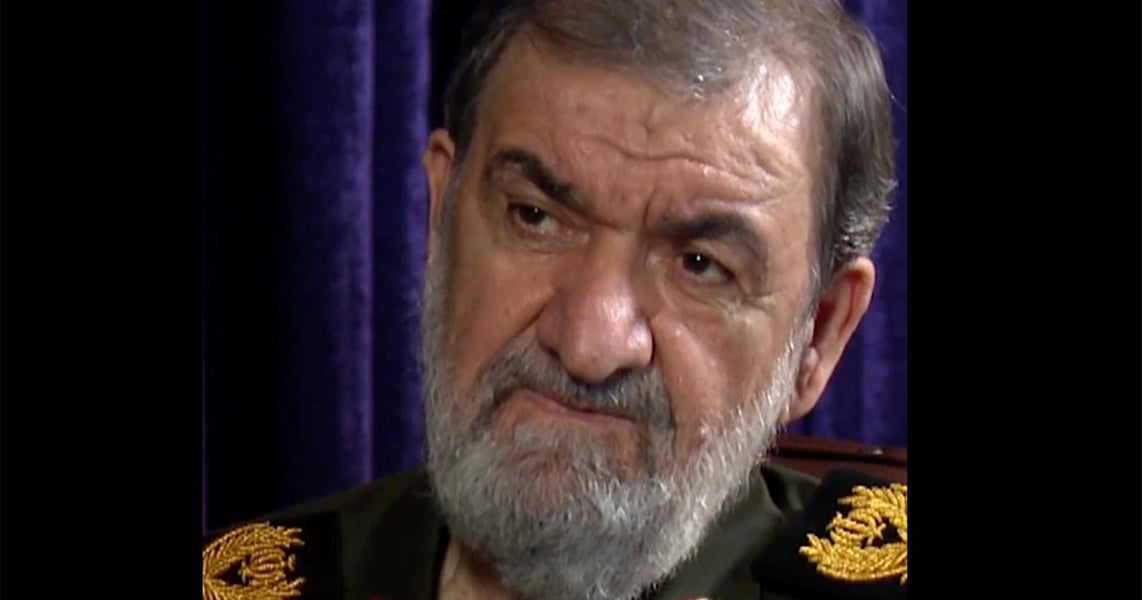
The address came the morning after Iran’s security secretary, Mohsen Rezaei, transmitted a seven-point list of conditions to Washington through Qatari intermediaries, demanding a full cessation of hostilities, the release of frozen Iranian assets, and the lifting of the US naval blockade that has strangled Iranian exports since the war began twelve days ago. By Saturday afternoon, Washington had not publicly acknowledged the conditions existed.
That silence is now the dominant fact on the ground. Ghalibaf’s parliamentary appearance was part restatement of doctrine and part indictment of the American posture: Tehran, he argued, had put a negotiating framework on the table, and the United States was choosing not to respond. He identified what he called two compounding strategic errors in how the US had entered the conflict: a war prosecuted without a defined ending mechanism, and an adversary whose capabilities had been systematically underestimated.
Neither assessment has been contested by US officials.
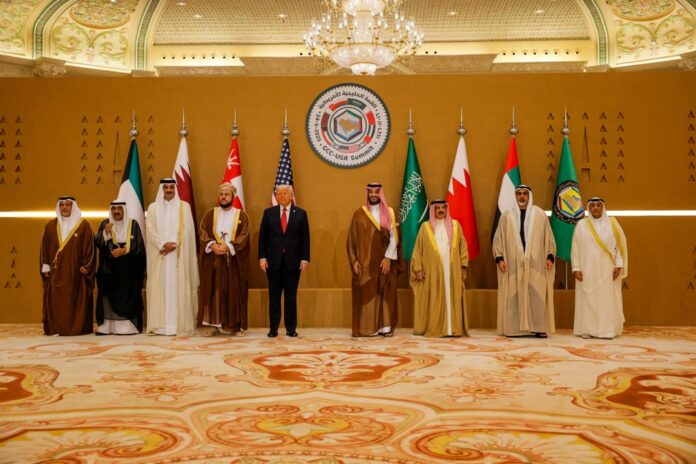
The Strait of Hormuz, closed to commercial traffic since the first week of the conflict, remains shut. Ghalibaf was unambiguous: the strait would not reopen until Washington met its commitments. Qatar, which has seen its liquefied natural gas export revenues fall by 96 percent since the war began, is now carrying the diplomatic weight of both parties simultaneously, hosting the channel through which Iran’s conditions were delivered while also watching its own energy economy buckle under the closure it is trying to end.
Oil prices crossed $100 a barrel in early September and have held there since.
In Cairo on Saturday, Egyptian President Abdel Fattah el-Sisi met with the director of the Central Intelligence Agency in a session focused on narrowing the distance between Washington and Tehran. Egypt has historically served as a secondary interlocutor when Gulf channels become too loaded with their own interests to function as pure brokers. The CIA meeting produced no public outcome.
The seven conditions Rezaei transmitted to Washington via Doha represent Tehran’s minimum floor: an end to hostilities on all fronts, release of frozen Iranian assets held in third-country accounts, and lifting of the naval blockade that has effectively quarantined Iran’s coastline. Al Jazeera reported, citing officials briefed on the terms, that the conditions were framed as prerequisites for re-engagement, not as an agenda for negotiation, but as what must happen before negotiation can begin.
That framing matters. The US and Iran have not sat in a room together since the war started. The Qatar channel is the mechanism. Washington’s failure to respond within 24 hours has not broken the channel, but it has tested the patience of Doha, which is absorbing economic damage at a rate few Gulf states could sustain and whose mediation role gives it leverage over both parties only as long as both parties want the mediation to continue.
The United Nations General Assembly’s high-level week begins Monday. Iranian Foreign Minister Abbas Araghchi is expected in New York. US Secretary of State Marco Rubio is expected to address the General Assembly. Whether the two will meet, formally, informally, or through the proximity talks the UNGA format allows, has not been confirmed.
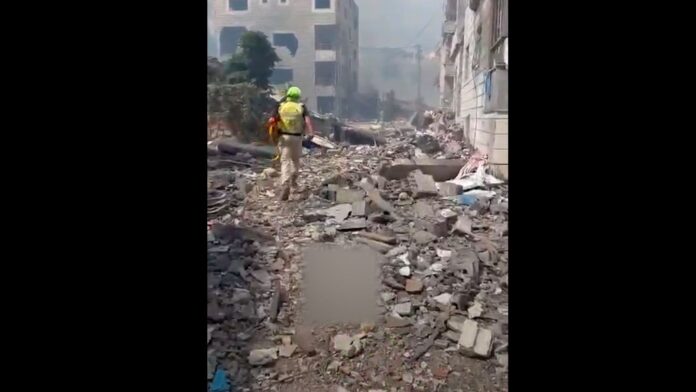
The UN’s own investigators, whose findings on the conduct of the war were published last week, documented what they described as disproportionate strikes on civilian infrastructure, including the attack on a school in Minab that the UN characterized as a potential violation of international humanitarian law. Those findings, covered in the UN’s investigation into the Minab school strike, remain formally unaddressed by Washington.
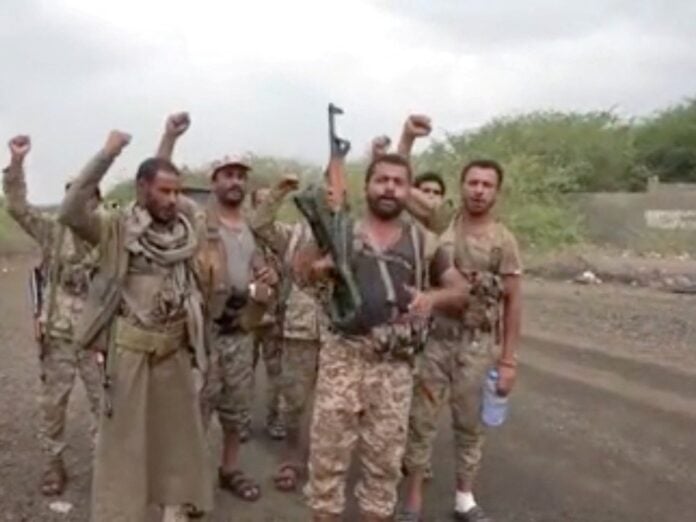
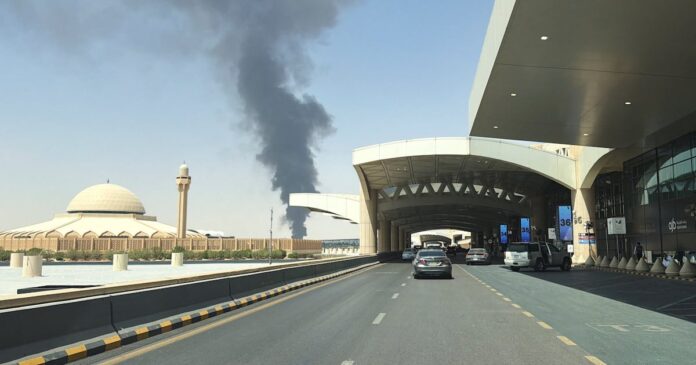
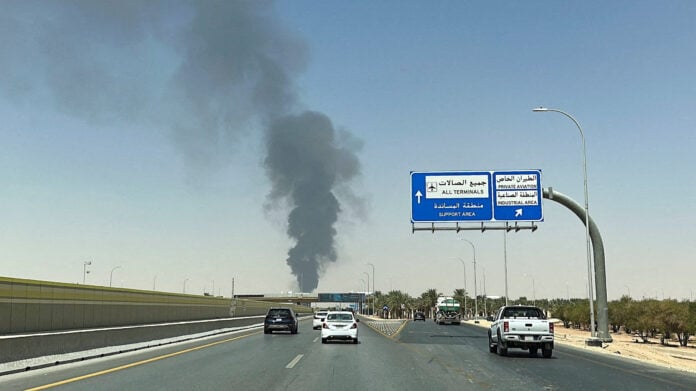
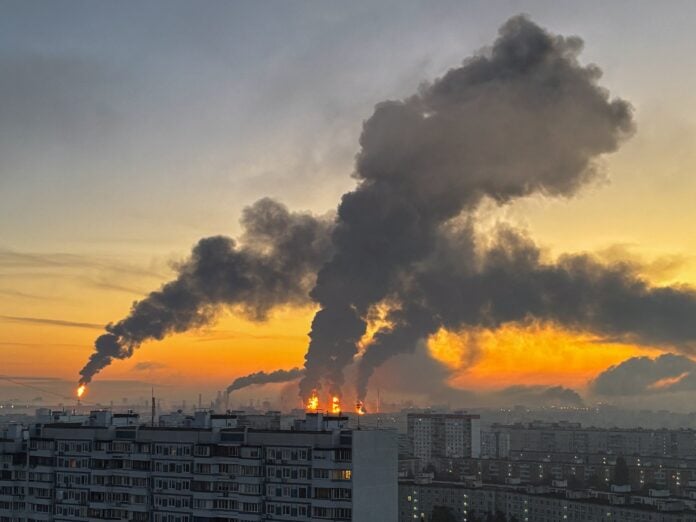
Meanwhile the conflict has spread its pressure across the region in ways that complicate any rapid resolution. Houthi strikes on Riyadh’s airport have continued to shadow Gulf diplomatic efforts, introducing a parallel front that neither Iran nor the United States fully controls.
Ghalibaf’s message to his own parliament was not optimism. It was clarity about the situation as he defined it: Tehran had chosen its strategy, had sent its terms, and was watching to see whether Washington was capable of receiving them. “Fight and negotiate” is not a diplomatic flourish. It is an instruction for how Iran intends to conduct itself for as long as the war continues, and a signal that the war’s continuation is not Tehran’s preferred outcome, even if surrender is not on the table.
The question Washington has not yet answered is whether it agrees.