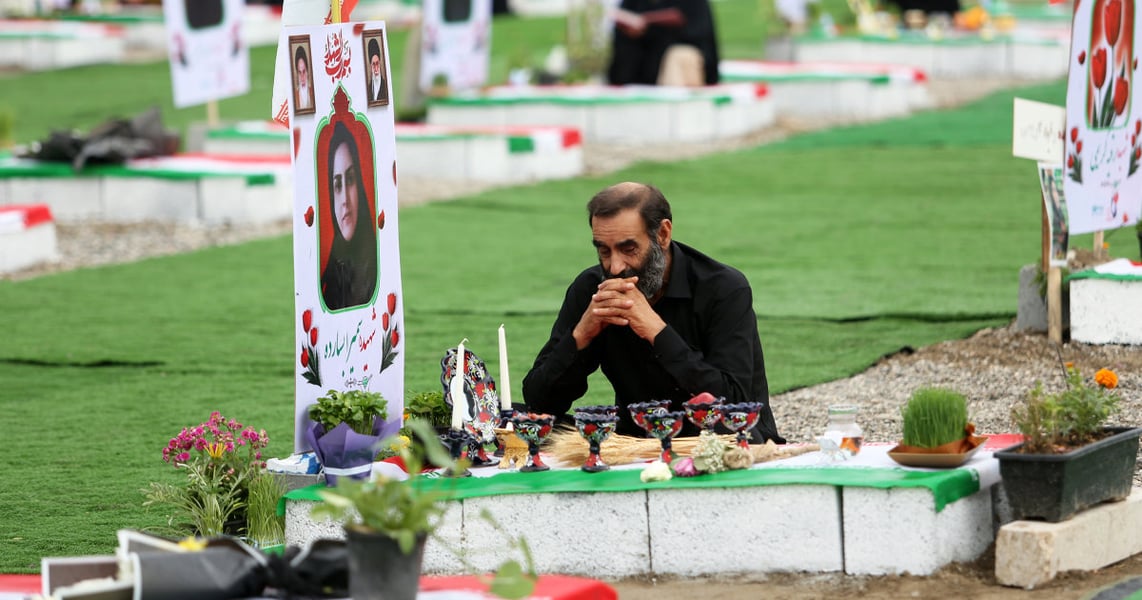

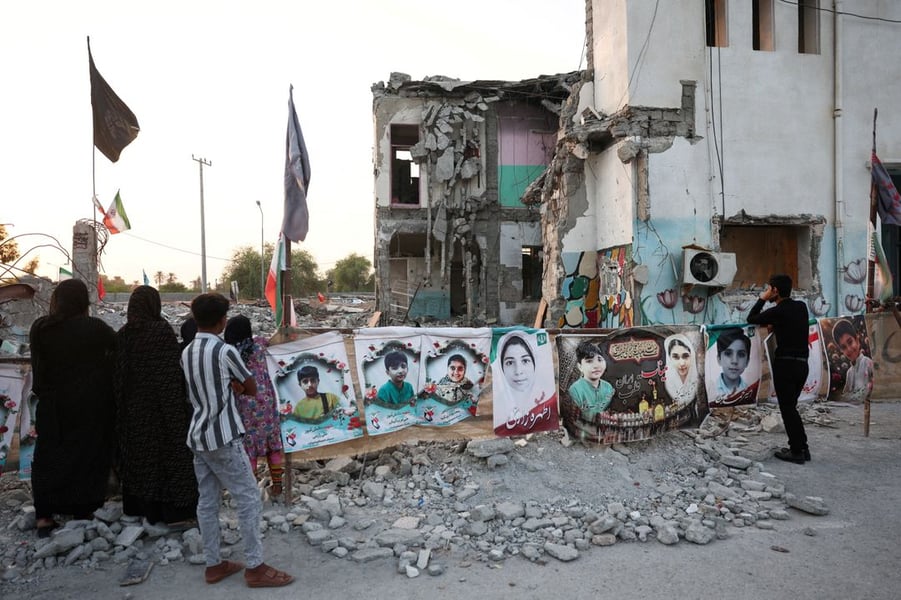
GENEVA — The children at the Shajareh Tayyebeh Primary School in Minab were at their desks when the Tomahawk missile hit on February 28. In the final accounting released Thursday by the United Nations fact-finding mission on Iran, 156 people died in that strike, 120 of them schoolchildren, 73 boys and 47 girls, along with their teachers, parents, and a school bus driver who had not yet left the building. The mission’s conclusion, after seven months of investigation: the school building itself was the intended point of impact, and the United States was responsible.
The mission, operating under the authority of the UN Human Rights Council, said it had found “reasonable grounds to believe” that American forces committed war crimes in two strikes on February 28, the opening day of Operation Epic Fury, the US-Israeli military campaign against Iran. The legal formulation carries weight: “reasonable grounds to believe” is the evidentiary threshold applied before a formal charges determination, meaning investigators concluded the evidence pointed clearly enough to establish probable attribution. It does not mean conviction. But it means the strikes are no longer in dispute as to origin.
The second strike the mission examined hit a sports complex and residential area in the southern city of Lamerd. Precision Strike Missiles dispersed tungsten pellets over what the report described as a “clearly identifiable” sports facility and the homes surrounding it. Twenty-two civilians were killed. US Central Command said in March it launched no strikes in Lamerd on that day. The mission’s investigators concluded otherwise, citing weapon signatures, flight trajectories, and timing.
Between the two strikes, at least 178 civilians died. The Minab toll alone, 120 children, exceeds any single-incident civilian mass casualty event the United States military has acknowledged since the Iraq war.
The Minab case turned on what the mission called a systemic failure in targeting. Pentagon forces relied on “outdated targeting data” that did not reflect the building’s current status as an active primary school. Beyond that procedural failure, investigators concluded the error went “beyond mere negligence,” a phrase with precise legal weight under the Geneva Conventions, where willful disregard of a target’s civilian nature transforms a strike from an unfortunate error into a war crime. The school, investigators wrote, was a “clearly identifiable civilian object.” No evidence emerged it had been used for any military purpose.
That finding adds formal legal weight to what reporting had suggested for months. Since the first week of the war, Iran had been reporting mass civilian casualties to the UN, including 180 children killed in the conflict’s first two weeks. The Minab school massacre is the single worst documented civilian incident in the war, and the one for which the mission found the clearest attribution evidence: Tomahawk missile trajectory data, corroborated preliminary US military inquiry records, and the fact that no other party to the conflict possesses Tomahawk missiles.
On accountability, the report runs into a structural wall. The United States is not a member of the International Criminal Court and cannot be brought before it without a Security Council referral, which it would veto. The mission called instead for “third-state accountability through universal jurisdiction,” the mechanism by which a country can prosecute grave violations of international humanitarian law under its own courts regardless of where they occurred. A similar accountability debate followed last summer’s UN warnings over Israeli operations in Lebanon, with no prosecution resulting. European states have exercised universal jurisdiction over crimes in Syria, Rwanda, and by the Islamic State. Whether any will act on this report remains unanswered.
The Pentagon said Thursday it was reviewing the report and offered no further comment. Central Command has maintained its denial of the Lamerd operation. NPR reported the administration has not acknowledged the mission’s findings on the school.
On the same day the report landed, Trump told reporters he believed the war was nearing its end and that he had heard from Iran directly about a potential deal. The CBO put the war’s six-month financial cost at $38.1 billion on Wednesday, one day before the UN laid out, in the most formal terms yet, what that price included in human terms.
The Minab prosecutor published the final breakdown in April: 120 children, 26 women educators, seven parents, a school bus driver, a pharmacy technician. Other US strikes on civilian gatherings remain under the administration’s own review, with no findings published. The UN mission’s report offers a record the United States has had seven months to produce itself and has not.