
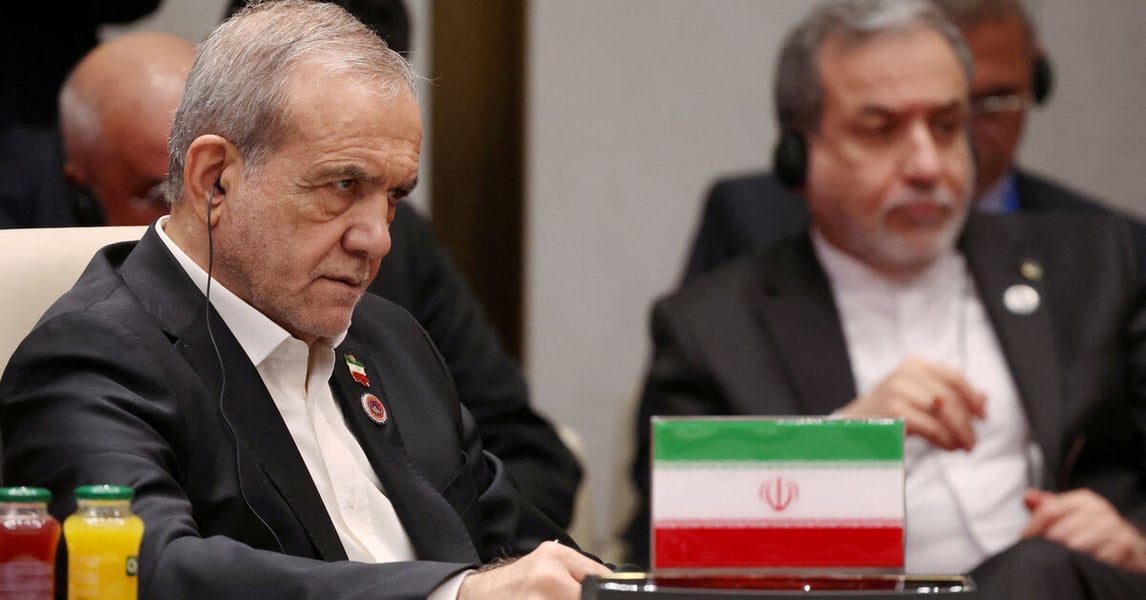
TEHRAN/NEW YORK — Masoud Pezeshkian boarded for New York on Sunday as Iran’s armed forces general staff issued a statement that could render his trip pointless before it began.
Tehran had received intelligence, the military command announced, that the United States — with the backing of some regional countries — was preparing to resume airstrikes against Iran. The nine-day fire pause that had given both sides something to call a pause, if not a ceasefire, was under direct threat.
What the statement said next was the part no regional government wanted to read. Any American attack, Iran’s military command warned, would trigger “sustained strikes on US bases and interests in the region.” Countries that lent support to that aggression, the statement continued, would be “considered parties to the conflict.” For governments from Bahrain to Jordan that host American military installations, that is not a diplomatic formality.
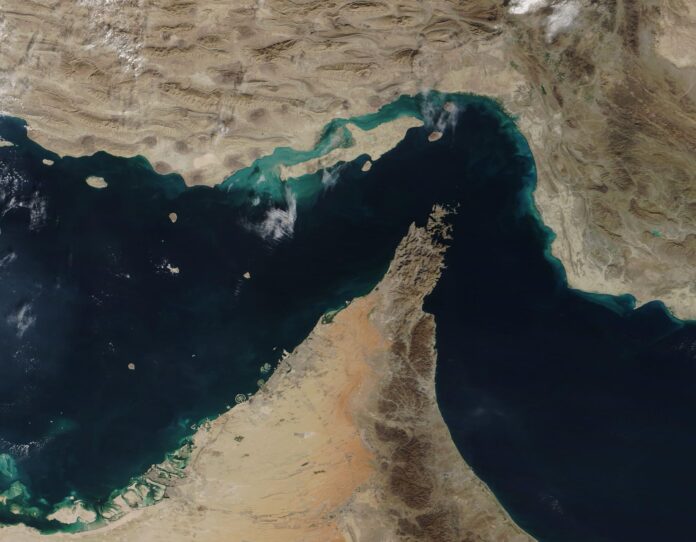
Pezeshkian is due to address the United Nations General Assembly on Tuesday, less than twenty-four hours after Israeli Prime Minister Benjamin Netanyahu — arriving under an unenforced International Criminal Court arrest warrant — speaks from the same podium. The Iranian president has said consistently that Tehran is prepared to return to the June memorandum of understanding the moment Washington does. His foreign minister, Abbas Araghchi, told Chinese officials in Beijing this week that Iran and Oman have agreed on a framework to reopen the Strait of Hormuz. No Omani official has confirmed this.
As the two leaders head toward the same podium, the distance between what is being said in diplomatic channels and what is being prepared in military commands has rarely been wider.
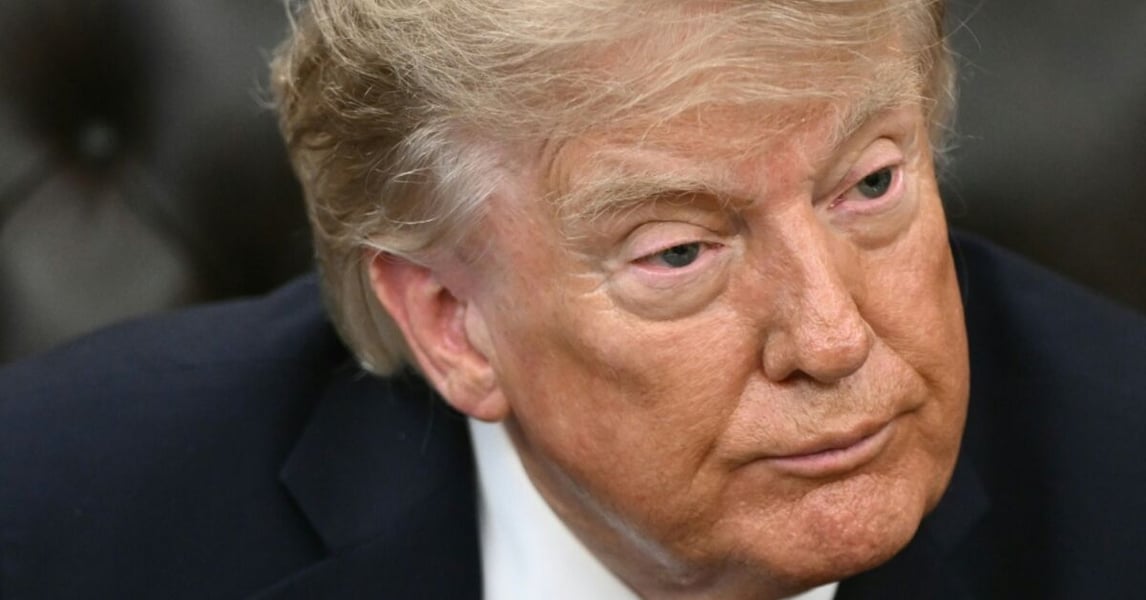
“I think an agreement with them isn’t worth the paper it’s written on,” Trump told Fox News after the June memorandum collapsed in July, when Iran struck three commercial vessels it said had bypassed preapproved transit routes. The tanker seizure on September 18 closed a nine-day stretch of relative quiet like a vise, and now Iran’s military command says the pause is about to close entirely.
The House of Representatives voted for a third time this week to end the Iran war, with seven Republicans crossing the aisle. The Congressional Budget Office put the six-month cost of the conflict at $38.1 billion. The measure is expected to die in the Senate.
The pause had lasted roughly nine days. A daily operational briefing tracking the conflict recorded on September 18 that Iranian air defenses had been degraded to approximately ninety percent and that Hormuz transit remained contested, with shipping datasets recording between four and twelve transits daily — compared to the thirty-five to forty transits the strait averaged before the war. The rial had fallen below 2.3 million to the dollar. Food inflation stood at 127.5 percent. The war’s economic compression was doing what sustained military pressure had not: creating the conditions, if not the structure, for a pause.
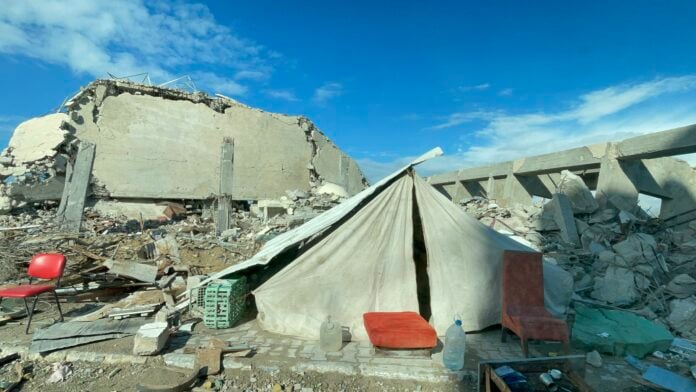
The population living inside those numbers has had little reason to distinguish a pause from what came before it. A Tomahawk strike on a school in Minab on February 28 killed one hundred and twenty children. The United Nations Fact-Finding Mission on Iran concluded last week that the United States committed war crimes in that strike and in a second attack carried out the same day. Washington has not acknowledged either finding.
Pezeshkian has made the trip to New York anyway. Absence from the world’s primary diplomatic forum — in a war that has produced documented war crimes findings and an unresolved Hormuz crisis threatening global oil supply — would itself be read as a signal Tehran cannot afford to send. According to the Times of Israel, Tehran said Sunday it had been specifically informed of the US preparation to resume action — not that it feared it, but that it had received the information through intelligence channels. Haaretz reported separately that Tehran had indicated it would respond to any resumed strikes with attacks on US allies across the region.
What Sunday’s warning does to Pezeshkian’s room to manoeuvre in New York is the question the statement leaves unanswered. A president who arrives promising a return to ceasefire while his generals are warning of imminent incoming fire has a narrower margin for conciliation than the one he has been projecting.
The United Nations cannot order a ceasefire. The Security Council has been unable to pass a binding resolution on the US-Iran conflict since it began in February, and nothing at this week’s session is positioned to change that. What the podium offers is something more limited: a platform for Pezeshkian to establish, in front of one hundred and ninety-three member states, what Iran says it has been willing to accept — and what it says the United States has refused. Whether Washington is listening, or whether it is preparing something else entirely, Iran’s military command said Sunday it already has the answer.