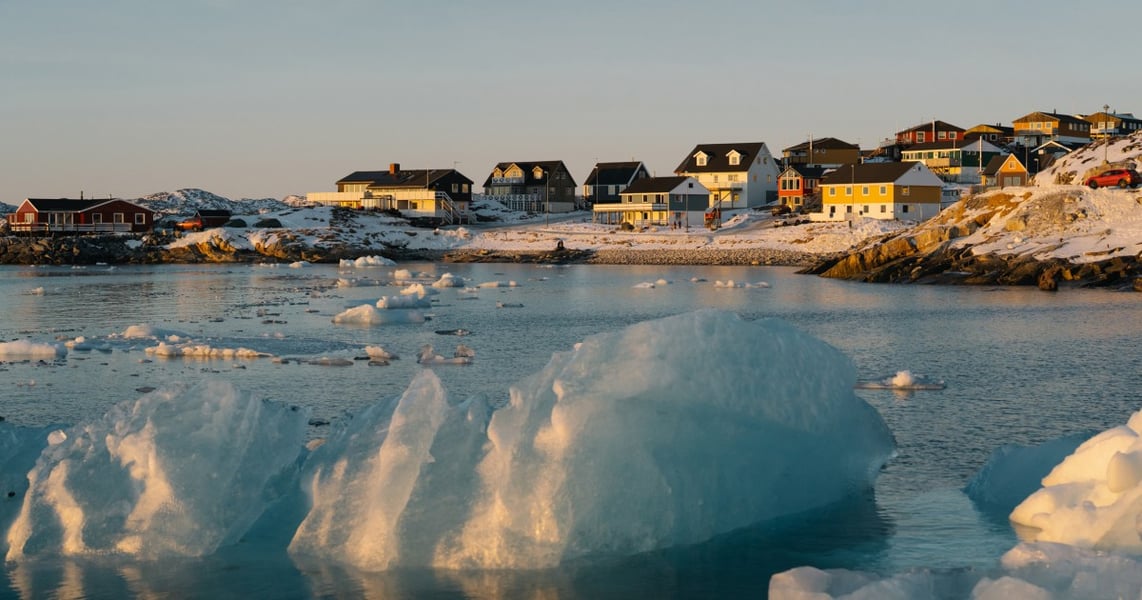

WASHINGTON — Denmark has agreed to grant the United States permanent security control over Greenland, following months of explicit threats by President Donald Trump to seize the territory by force.
Announced Thursday by Trump and confirmed by Danish Prime Minister Mette Frederiksen, the agreement gives Washington permanent access, basing, and overflight rights across the Arctic territory. It also authorizes the construction of additional U.S. military installations.
The pact has no expiration date, bars China and Russia from maintaining military or investment positions on the island, and remains in force even if Greenland becomes independent from Denmark.
The United States, Denmark, and Greenland are expected to sign the agreement on the sidelines of next week’s United Nations General Assembly in New York.
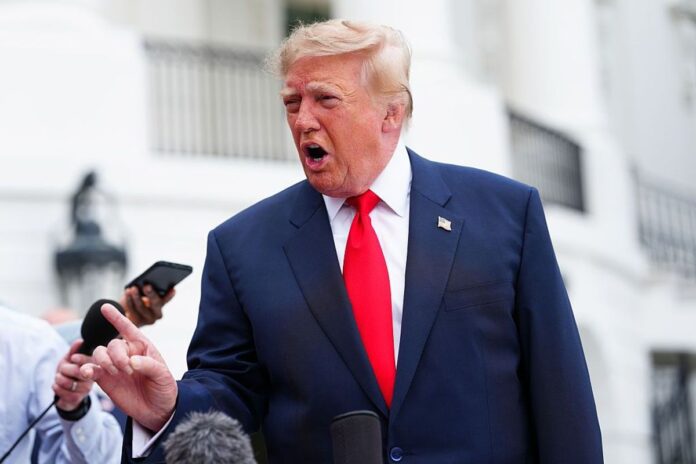
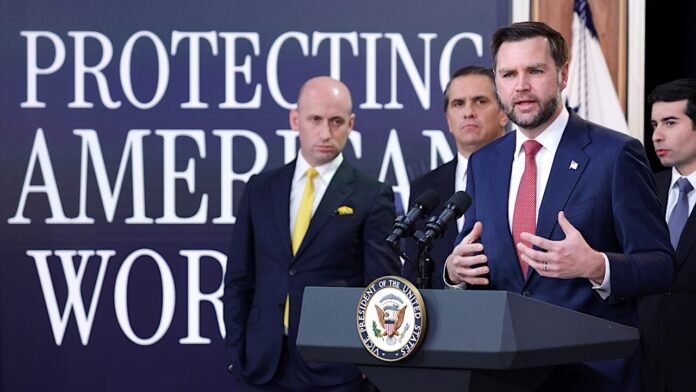
Trump’s announcement made no concessions about the deal’s character. “This agreement gives the United States permanent control over security, and all other needs, in Greenland, completely addressing ALL of our many U.S. concerns,” he said. Secretary of State Marco Rubio framed it as an agreement that “permanently guarantees U.S. security interests in the Arctic at zero cost to the U.S. taxpayer” and added that Greenland “will forever be part of the strategic defense area of North America.”
Frederiksen chose different language. The agreement, her office said, “recognises the sovereignty and territorial integrity” of Greenland and Denmark and upholds both territories’ right to self-determination. Danish Foreign Minister Lars Løkke Rasmussen called the deal one that would replace “a period of uncertainty” with “a binding agreement that strengthens security in the Arctic and the North Atlantic.” The same arrangement reads as a defining American strategic victory in Washington and as a sovereignty-preserving settlement in Copenhagen.
That period of uncertainty began in earnest in late 2024, when Trump revived and escalated threats to bring Greenland under American control, at times declining to rule out military or economic coercion against a NATO ally. The campaign shook the alliance’s cohesion and drew a blunt warning from United States Senator Chris Murphy, who argued that forcibly absorbing a NATO member’s territory would collapse the mutual-defense framework governing Western security for seven decades. As NBC News reported, officials from the three governments quietly negotiated behind the scenes for months, searching for solutions that addressed Trump’s security concerns without formalizing annexation. Denmark spent those months insisting Greenland was not for sale. The agreement reflects how much that position cost.
The Greenland deal was struck as the Trump administration simultaneously pursued parallel diplomatic engagements at the United Nations General Assembly, including direct talks with Gulf states over the contours of the post-Iran-war regional order. Greenland’s Foreign Minister Múte B. Egede said he was “pleased” that an agreement was “within reach,” adding with noticeable understatement that “it has taken some time.”
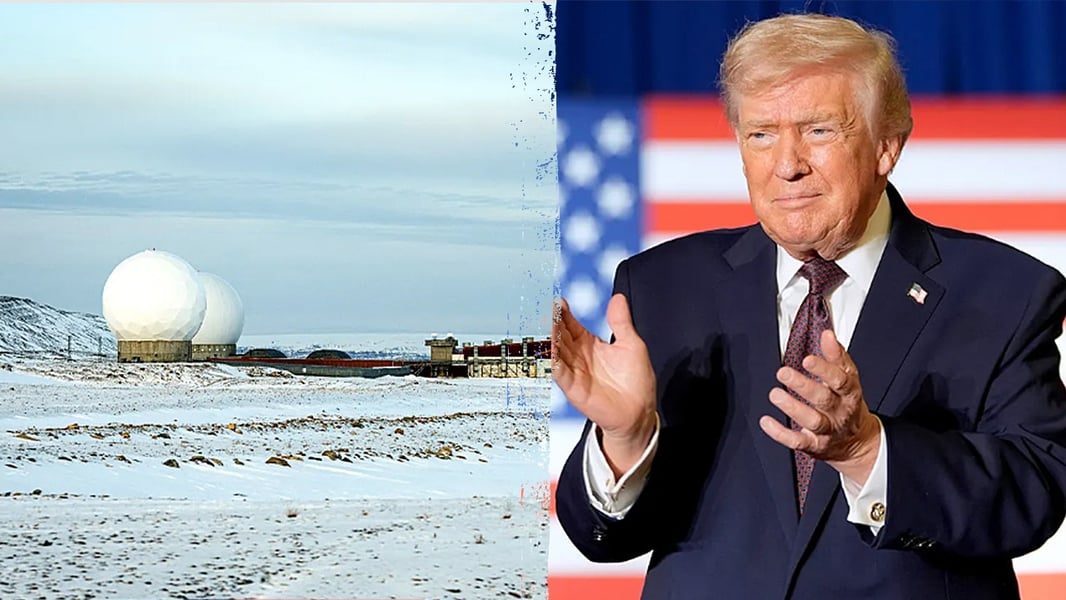
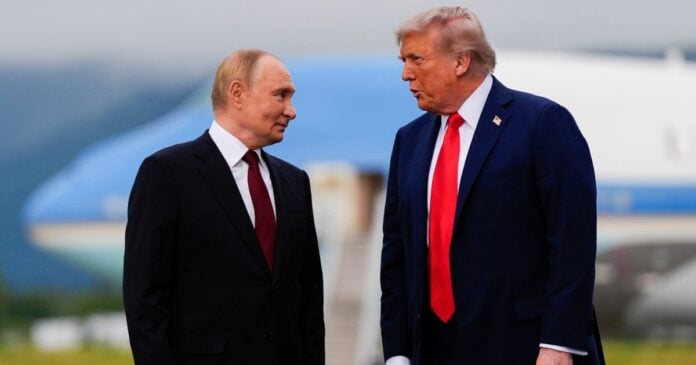
The China and Russia restrictions at the deal’s core reflect the strategic framing Washington used to justify months of coercive pressure. Moscow and Beijing have both expanded Arctic military and commercial activities in recent years, and Greenland’s position between North America and Europe places it along key transatlantic and polar shipping routes. The White House argued that Washington could not permit any adversary from establishing a foothold on the island regardless of Denmark’s preferences.
What the agreement does not resolve is the ambiguity about its scope. Trump’s phrase “permanent control over security and all other needs” implies something broader than a conventional basing arrangement, but the deal text had not been released publicly as of Saturday. The exact legal meaning of its core terms, including whether “permanent” binds future American and Danish administrations, remains unstated. The three governments will sign it as their foreign ministers simultaneously grapple with an Iran-war ceasefire framework that has yet to be defined.
The deal contains no payment to Denmark or Greenland for the permanent basing rights, which Fox News reported the White House framed as distinctive among NATO arrangements. What is less distinctive is the method: a larger power applying the credible threat of force to extract from a smaller ally what negotiation alone could not. Whether the legislatures in Copenhagen and Nuuk agree to codify that outcome in law is the question the signing ceremony in New York will leave unanswered.