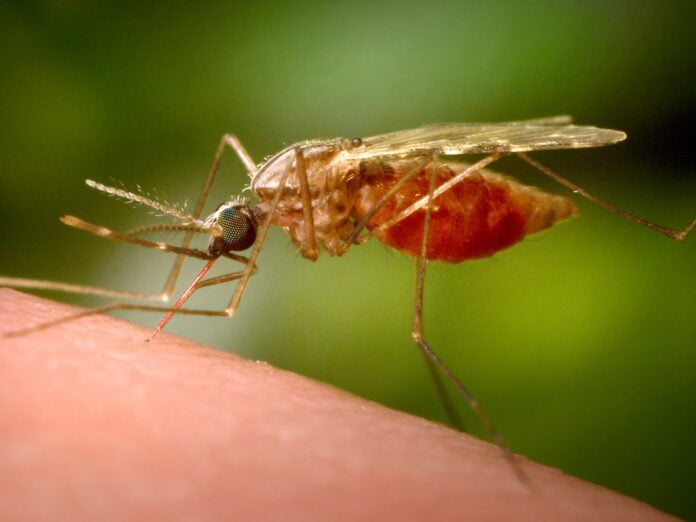

NEW YORK – Three Long Island residents have been identified as probable cases of tularemia, a rare bacterial infection spread by ticks and contact with infected wildlife, the Suffolk County Department of Health Services said this week. Laboratory confirmation is pending and may take several weeks, officials said.
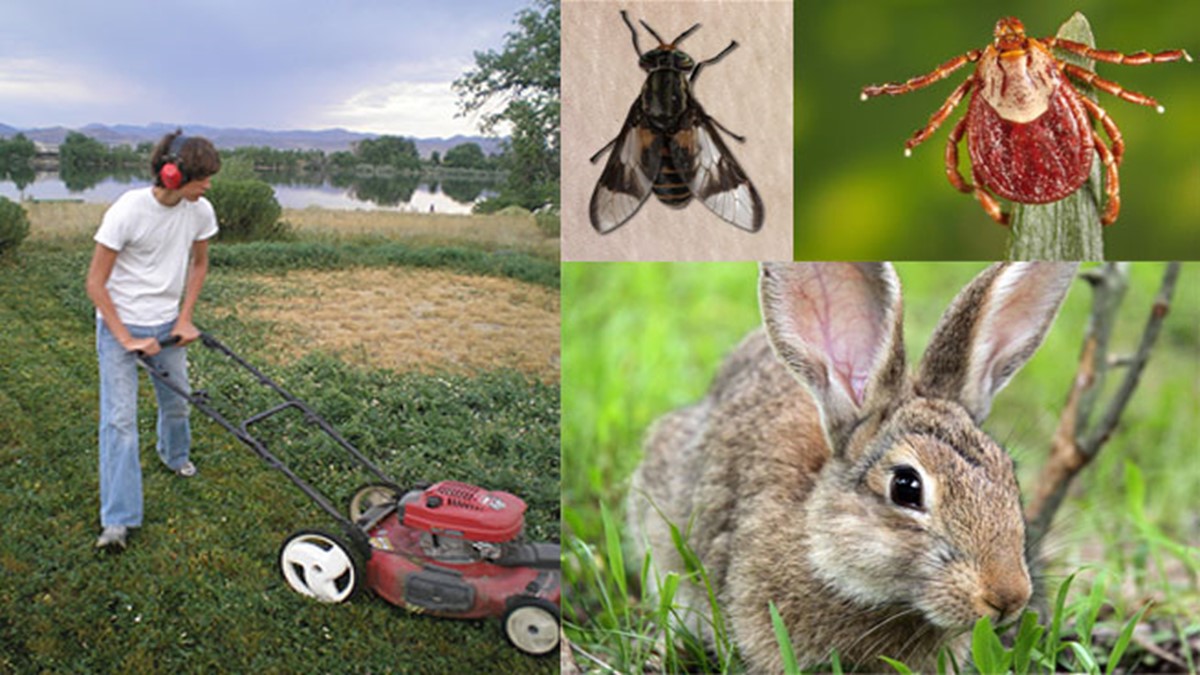
The cases mark an unusual concentration of a disease that affects fewer than 250 Americans in a typical year. Tularemia, caused by the bacterium Francisella tularensis, circulates in rabbits, rodents, and other small mammals and can reach people through tick bites, deer fly bites, direct contact with infected animals, contaminated water, or even by inhaling dust disturbed from infected carcasses. The county did not release details on how or where the three patients were exposed.
“Tularemia presents the way a bad flu starts,” said Dr. Zoe Weiss of Tufts Medical Center, speaking to ABC News. “Sudden fever, chills, headache, body aches, feeling wiped out.” Fever can reach 104 degrees Fahrenheit. The incubation period typically runs three to five days after exposure, though it can extend to three weeks. In its most recognizable form, the infection produces a sore or ulcer at the site of the bite, with swollen lymph nodes in the surrounding area.
The disease has been known by its popular name for more than a century. “It’s often called rabbit fever because hunters who shoot rabbits and then skin and eviscerate them can become contaminated,” said Dr. William Schaffner, a professor of infectious diseases at Vanderbilt University Medical Center. The bacterium is potent enough to enter the skin through minor cuts, and handling an infected carcass without protection carries real risk. Public health officials have also warned residents about a less obvious route: mowing over dead animals in tall grass can send a spray of contaminated material into the air.
Suffolk County sits at the eastern end of Long Island, where residential neighborhoods give way quickly to woodlands, marshes, and shoreline habitat. The area has been a persistent site of tick-borne illness, and summer outdoor activity brings residents into regular contact with the ticks, deer flies, and small mammals that carry Francisella tularensis. The county has not disclosed where the probable cases were exposed.
The most dangerous form of tularemia is pneumonic tularemia, in which the bacterium reaches the lungs through inhalation or from bloodstream spread after an initial infection. It can cause cough, chest pain, and respiratory difficulty. Without treatment, tularemia was historically capable of killing; mortality rates in untreated cases reached as high as 30 percent in some forms. With prompt antibiotic treatment, the disease is now highly manageable. Streptomycin, gentamicin, and doxycycline are all effective if started before the illness has progressed.
The Suffolk County health department has urged residents who develop sudden fever, muscle aches, or swollen lymph nodes after outdoor exposure to seek medical attention immediately and to inform their physicians of any recent contact with wildlife or tick bites. Health officials have also noted that tularemia does not spread from person to person, meaning the risk to household members of an infected individual is not elevated.
Suffolk County is not the only jurisdiction in the New York region managing an unusual disease burden this summer. Legionnaires’ disease killed four people in New York City in July in an Upper East Side cluster that investigators eventually linked to building cooling towers in Manhattan. Separately, the Cyclospora outbreak that sickened more than 18,000 Americans this summer drew federal scrutiny to fresh produce supply chains, including suppliers linked to New York distribution networks. Tularemia adds a third unusual public health episode to a summer that has already tested state and local health agencies.
Prevention begins with reducing exposure in outdoor settings where ticks and deer flies are active. The Centers for Disease Control and Prevention recommends applying EPA-registered insect repellents containing DEET or picaridin to exposed skin and clothing, wearing long-sleeved shirts and long pants tucked into socks, and performing full-body tick checks after any time outdoors. Anyone who encounters a dead rabbit, rodent, or other small mammal should avoid handling it without gloves; the same caution applies during hunting season, when field dressing game carries transmission risk. CDC guidelines also advise against mowing over dead animals in grass, noting that disturbing an infected carcass can aerosolize the bacterium.
None of the three Suffolk County patients has been publicly identified, and officials have not confirmed whether any required hospitalization. What is not yet known is whether the cases share a common exposure site or represent three separate encounters with the bacterium in different locations. That distinction matters for public health response: a shared location suggests a specific wildlife population or habitat that can be monitored, while three unlinked cases points toward a broader baseline of tularemia activity in local animal populations.
Suffolk County health officials said they are working with the New York State Department of Health and federal agencies to investigate. Until the results are confirmed, all three cases remain classified as probable.