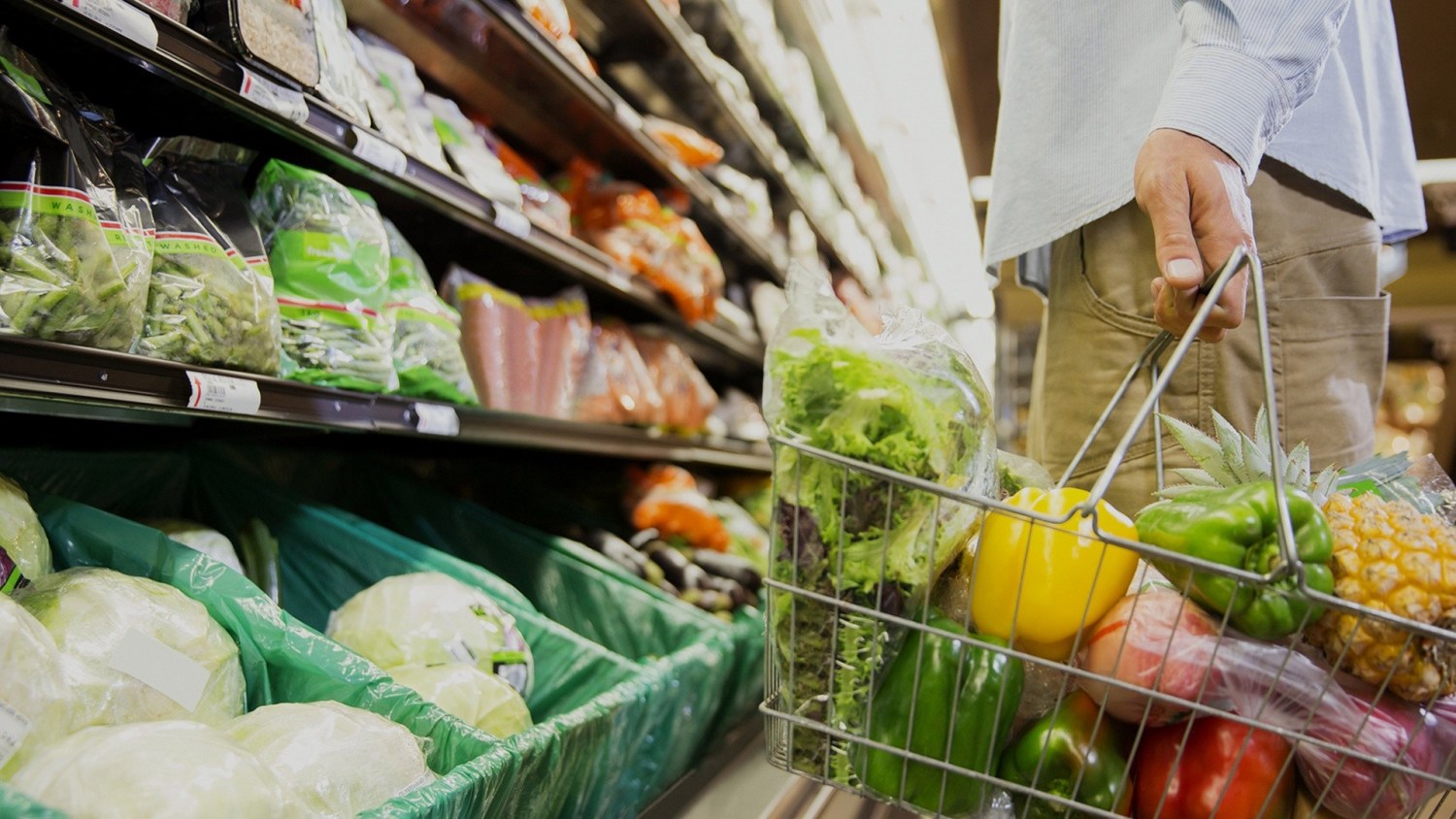

WASHINGTON – In a grocery store in Charlotte last week, a shopper reached past the empty bagged-salad shelves and picked up a bunch of fresh cilantro instead. She had heard about the outbreak. She was being careful. She was also not necessarily safe.
More than 18,000 Americans have been confirmed or suspected sick with cyclosporiasis in what the Centers for Disease Control and Prevention is now tracking as the largest documented Cyclospora outbreak in United States history. The infections span 45 states and have concentrated heavily in Michigan, where nearly 9,500 people have fallen ill and 160 have been hospitalized since May. Taylor Farms de Mexico voluntarily recalled its shredded iceberg lettuce after federal investigators formally linked it to cases across nine states. But the problem with a lettuce recall, federal health authorities are now carefully acknowledging, is that this outbreak may not end with lettuce.
North Carolina health officials are investigating 561 cyclosporiasis cases reported in the state since May, a concentration well above the state’s seasonal norm. Their preliminary investigation is pointing not toward iceberg lettuce but toward parsley and cilantro. Neither herb has been recalled. No North Carolina supplier has been named. No connection to the Taylor Farms supply chain has been established, which is precisely the point that concerns food safety researchers. If cilantro is a second vehicle for the same parasite, it passed through an entirely different packaging and distribution chain and will require a separate investigation to trace.
“It’s clear there is more than one product causing illnesses,” Frank Yiannas, who spent five years as the FDA’s deputy commissioner for food policy before departing in 2023, told NBC News this week. “If all the lettuce is pulled from the market, consumers should not be surprised that they continue to see states report illnesses, and they identify food vehicles other than lettuce.” Fresh herbs share the agricultural conditions that make leafy greens vulnerable: irrigation networks, seasonal labor pools, and growing regions in Latin America where Cyclospora cayetanensis is endemic.
The FDA has confirmed it is running a second, concurrent Cyclospora investigation in addition to the Taylor Farms probe. The agency has not named a product, a grower, or a region. “The data that we have now really continues to home in on growers that were already identified,” Kari Irvin, the FDA’s deputy director for outbreak response, told NBC News. That statement, offered to explain the direction of the Taylor Farms investigation, does not address what is driving illness in the states whose cases do not trace to Taylor Farms supply lines.

What makes this outbreak particularly difficult to contain through consumer advice alone is the biology of the pathogen. Cyclospora cayetanensis’s infectious form, microscopic oocysts shed through human fecal matter, is too small to remove under running water and survives the chlorine concentrations used in commercial produce washing. The standard federal guidance asks Americans to wash fresh produce thoroughly under running water before eating. That practice reduces bacterial contamination on produce surfaces. It does not eliminate Cyclospora. A cilantro bunch rinsed and shaken dry is not a cilantro bunch made safe. Barbara Kowalcyk, a food safety policy researcher at George Washington University who has tracked major U.S. outbreaks for two decades, said the investigation’s structural limits go deeper than the product recall. “There’s still a lot that we don’t know,” she told NBC News. “This goes back to the need for better laboratory methods.”
The parasite can be killed. Heat destroys Cyclospora cayetanensis reliably, which means produce that will be cooked, including cilantro sauteed in a sauce or parsley folded into a roasted dish, does not carry a meaningful parasite risk after sufficient heating. Peeling produce and removing outer leaves also reduces risk, though the approach has obvious limits for fresh herbs, which cannot be meaningfully stripped. Those who have eaten raw fresh produce over the past several weeks and developed persistent watery diarrhea, nausea, fatigue, or cramping lasting more than a few days should see a physician. Cyclosporiasis is treatable. The antibiotic trimethoprim-sulfamethoxazole, typically abbreviated TMP-SMX, clears the infection within roughly a week when started promptly. Without treatment, the illness can persist for a month or longer and relapse.
The diagnosis is the gap most sick people never bridge. Cyclospora causes a clinical picture indistinguishable from other acute gastrointestinal illness. Standard stool cultures do not detect it; a physician must specifically order the modified acid-fast staining technique required to identify the organism. The CDC has described cyclosporiasis as “often underdiagnosed and underreported,” meaning the 18,000 confirmed and suspected cases represent a floor, not a ceiling. Every patient who recovers on their own, attributes a week of illness to something else, and never seeks testing is a data point the investigation does not have. The FDA’s second outbreak investigation, tracking a distinct cluster with an unidentified source, may represent exactly those cases whose food vehicle no one has yet named.
Taco Bell pulled shredded iceberg lettuce from five states before the Taylor Farms recall was formally announced, acting on early case cluster data rather than waiting for the federal determination. No restaurant chain has issued comparable precautionary guidance on fresh herbs. The FDA has not advised consumers to avoid parsley or cilantro. The North Carolina investigation is preliminary, and until it reaches a formal conclusion, federal guidance cannot go beyond what it has already said.
The CDC recommends washing fresh produce under running water and seeking medical attention for gastrointestinal illness that persists beyond a few days. Those instructions have not changed since the outbreak began in May. They remain insufficient for a parasite that survives standard washing and spreads through food vehicles that have not yet been officially identified. Federal investigators are still working out which products are involved. Until they do, the advice most Americans received, to skip the bagged salad and wash everything else, rests on assumptions this outbreak is still testing.