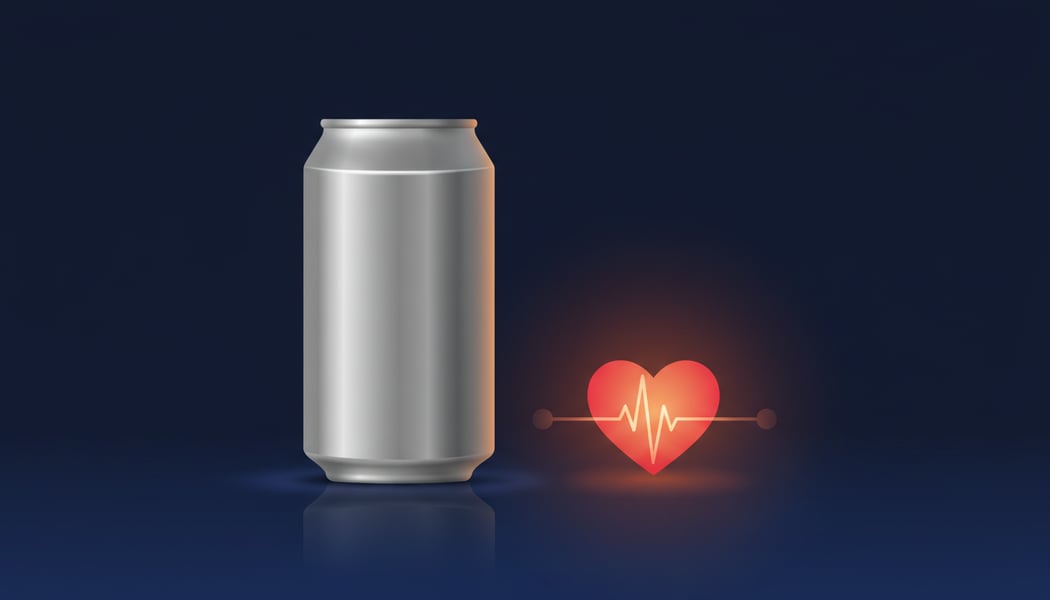

Energy drinks and other stimulant-containing products appeared far more often in reports of serious heart events, especially among young adults, according to preliminary research released by the American Heart Association. The findings rest on voluntary reports, have not been peer reviewed, and cannot show that the products caused the events, the AHA said in its news release. The story was also reported on November 7 by the New York Post.
The research is a meeting abstract presented at the AHA Scientific Sessions 2026 in Chicago, held November 6 to 9. The AHA notes that abstracts are not peer reviewed and that findings are considered preliminary until published as a full manuscript in a peer-reviewed journal.
What the analysis found
Researchers analyzed 28,345 reports submitted to a Food and Drug Administration safety database between 2017 and 2025. Of those, 854 mentioned caffeine- or stimulant-containing energy drinks or dietary supplements, while 27,491 concerned products without those ingredients, such as soft drinks, meal-replacement shakes, protein bars, smoothies and vitamins.
Cardiac arrest was reported about 11 times more often in connection with the stimulant products. Heart attacks were reported about 4.5 times more often, and ventricular arrhythmias or palpitations about four times more often. Elevated heart rate, chest pain and fainting also appeared more often. Roughly 45% of the cardiovascular reports tied to these products involved adults aged 18 to 34, a group not usually considered at high risk for such events.
The study grouped products by ingredient rather than brand, so the findings point to types of products rather than any single drink. The ingredient categories included caffeine, guarana, yerba mate, synephrine, yohimbine, ephedra, DMAA and higenamine, according to the AHA.
Why researchers are concerned
The AHA says up to 400 milligrams of caffeine a day, equivalent to up to five 8-ounce cups of regular black coffee, is generally safe for most adults. Some energy drinks contain as much as three times more caffeine per fluid ounce than brewed coffee, and some pre-workout supplements more than 12 times as much. The FDA regulates these products as foods or dietary supplements, so they do not undergo the premarket safety testing required for medications, the AHA noted.
Study author Sai Samayamanthula, a fourth-year medical student at the University of Virginia School of Medicine, said occasional use probably carries a small risk for many healthy people. Regular consumers, however, can quickly exceed the recommended daily limit. He said clinicians should ask younger patients who have palpitations, chest pain or fainting spells whether they use these products.
The researchers said they do not fully understand why the association was so frequent among young adults. The pattern may reflect how often they use the products, when or how they use them, such as before intense exercise or mixed with alcohol or drugs, or undiagnosed heart conditions. The distinction matters for caffeine in general: The Eastern Herald reported in July that up to five cups of coffee daily may lower heart disease risk, the AHA says.
Limits and industry response
The analysis was observational, so it shows an association and cannot prove cause. FDA reports are voluntary, which means the number of people who used these products without problems, and the number of events that went unreported, is unknown.
Dr. Gregory Marcus, chair of the AHA’s 2026 caffeine scientific statement and a professor of medicine at the University of California, San Francisco, was not involved in the study. He said it raises concerns that products with very high amounts of caffeine may harm the cardiovascular system, but that it does not prove caffeine products cause these events because other factors may have influenced the results.
The Council for Responsible Nutrition, an industry group, disputed the method, Nutritional Outlook reported. The group said the abstract combines energy drinks, concentrated shots and pill or powder supplements, and includes ingredients such as ephedra, DMAA and higenamine that it says cannot legally be marketed in supplements or food. It added that exposure was not verified and that the study does not account for amount or frequency of use. Its chief science officer, Andrea Wong, said the reported 11-fold difference in cardiac arrest reporting does not mean consumers are 11 times more likely to experience cardiac arrest.