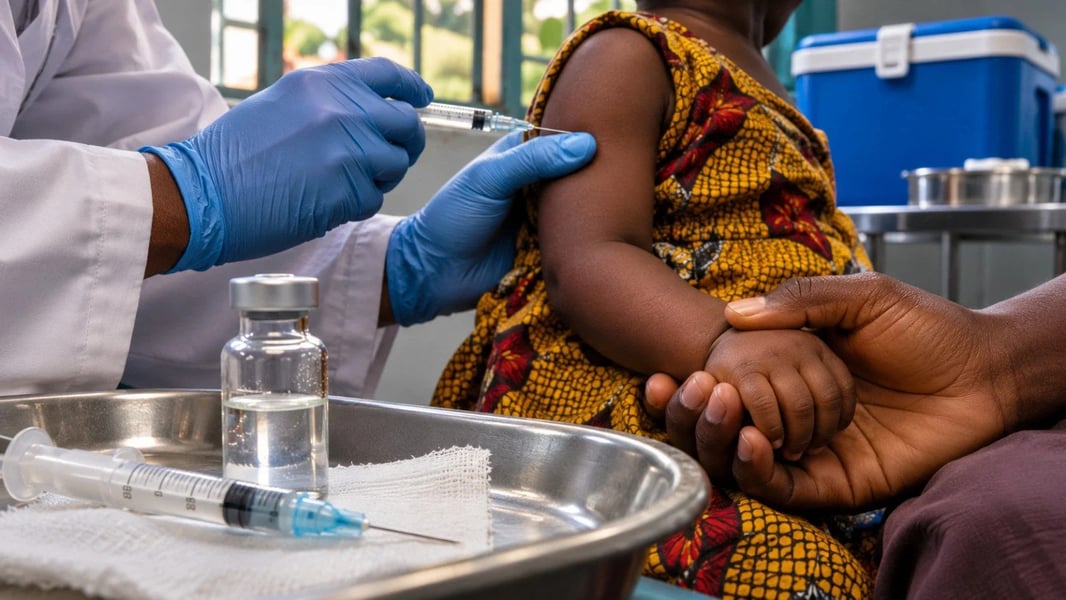

KAMPALA — Children as young as one year old are being enrolled in Uganda in a trial of an experimental vaccine against the Bundibugyo strain of Ebola, the first time the shot has been tested in a child. The strain is behind an outbreak in neighbouring Democratic Republic of Congo (DRC) for which no vaccine or specific treatment has been approved.
The state-run Uganda Virus Research Institute (UVRI) announced the launch on Friday, Nov. 27, describing it as Africa’s first mRNA Phase I clinical trial of a Bundibugyo vaccine. It is run with the US drugmaker Moderna, which makes the vaccine, known as mRNA-1469, and went ahead after review and approval by Ugandan regulators, UVRI said. Moderna began its first human trial of the shots in Canada in August, in adults aged 18 to 65, Al Jazeera reported.
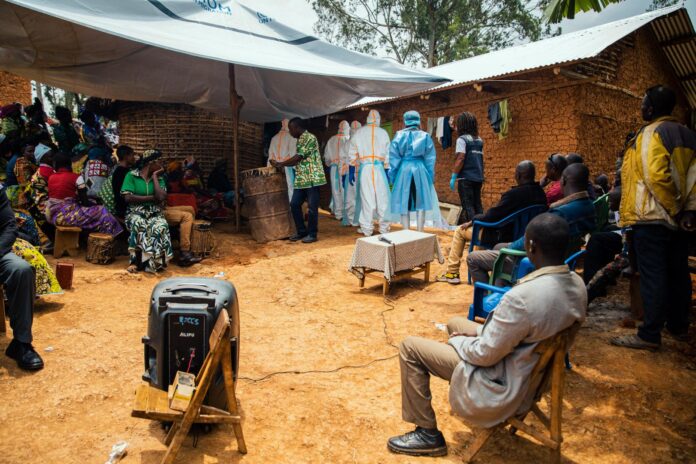
The timing matters because the DRC outbreak remains severe. The World Health Organization said on Nov. 20 that, although some areas have seen a slight decline, sustained high-level transmission continues overall, that the event is still a public health emergency of international concern, and that this is the largest Ebola outbreak ever recorded in the DRC, whatever the virus species. A Phase I study cannot change that quickly, and it is not designed to.
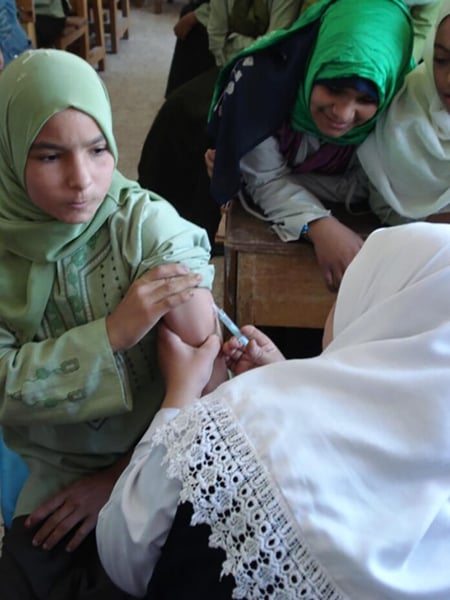
What it can do is narrower. UVRI says the trial will enrol about 224 healthy volunteers aged 1 to 65 and measure the vaccine’s safety and the immune response it triggers. Screening and enrolment are under way, and volunteers will be followed for about a year after their injection. The institute’s director, Prof. Pontiano Kaleebu, who leads the trial, said his team worked quickly with Ugandan regulators, the Ministry of Health, Moderna and the contract research organisation Parexel to get the product into a trial. Hamilton Bennett, Moderna’s executive director for resilience R&D, said the company was pleased to see its candidate evaluated.
The inclusion of children is the part health agencies stress. Richard Hatchett, chief executive of the Coalition for Epidemic Preparedness Innovations, which is helping fund the vaccine, said children “are often among those hardest hit when Ebola strikes, yet they are too often the last to benefit from new vaccines,” Al Jazeera reported.
The scale of the outbreak depends on whose count is used. DRC government data released on Thursday showed at least 12,021 confirmed infections, including 5,904 deaths, since the outbreak began in mid-May, according to Al Jazeera. The WHO’s most recent published figures are older: as of Nov. 17, it counted 11,613 confirmed cases, including 5,678 deaths, across 68 health zones in eight provinces, a crude case fatality ratio of 48.9 percent. The gap is mostly a matter of dates, but it shows how fast the totals move: the count had already passed 9,000 in mid-October.
The WHO’s Nov. 20 update also pointed to where the response is failing. Of 720 deaths reported in the three weeks to Nov. 17, 452 occurred in communities rather than in treatment centres, a pattern it said was especially visible among young children. Contact tracing is also falling short: health workers saw an average of 81 percent of listed contacts each day over the previous two weeks, against a required 95 percent, and the WHO named rising insecurity as the greatest obstacle to expanding operations. Ituri and North Kivu remain the worst-hit provinces.
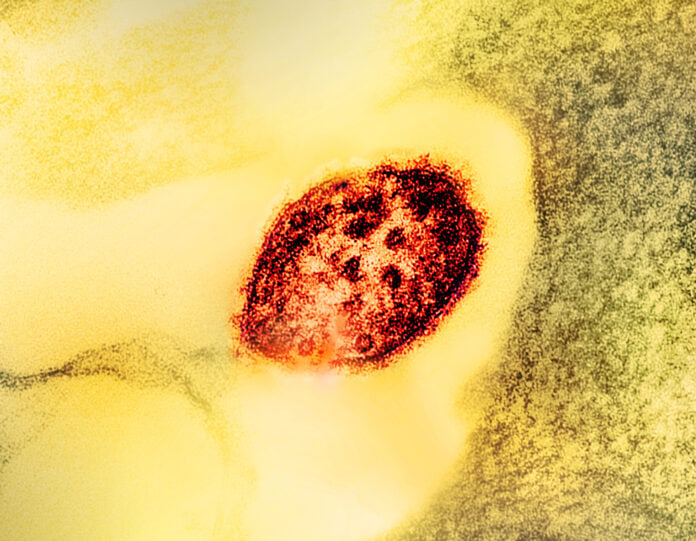
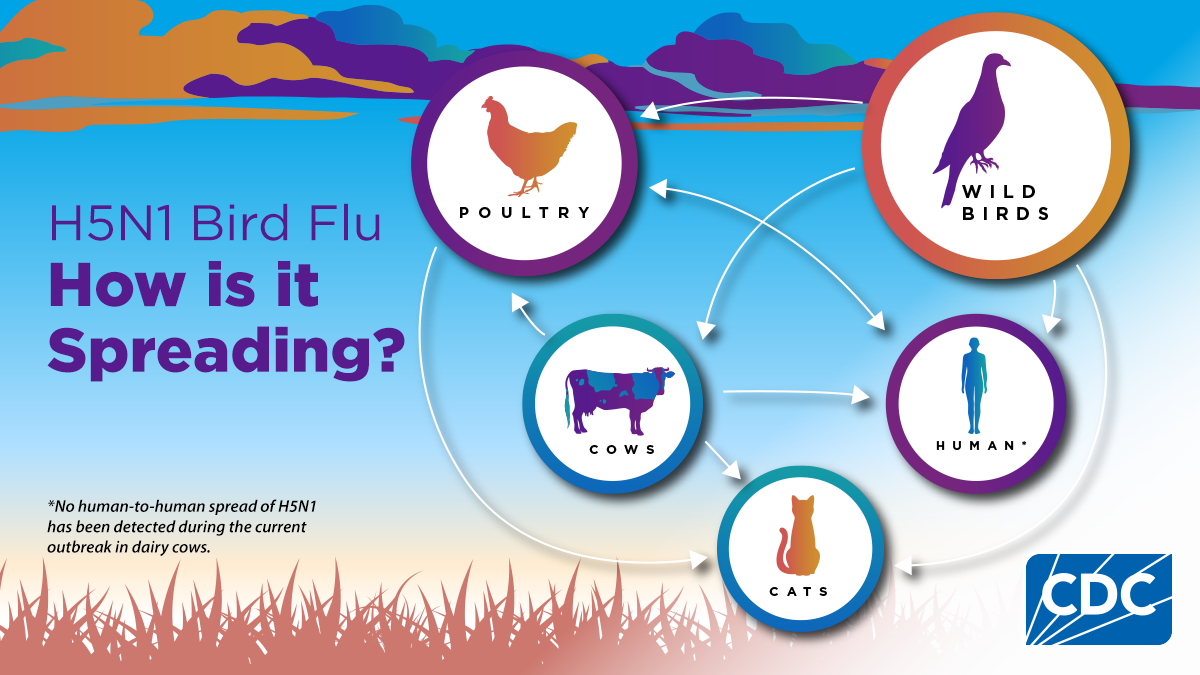
Bundibugyo is a less common species of Ebola. The WHO says the disease is thought to pass to people from wildlife, with fruit bats suspected as the natural reservoir, and then spreads person to person through contact with the blood or other body fluids of the infected. Symptoms appear two to 21 days after exposure and begin with fever, fatigue, muscle pain and headache, which makes early diagnosis hard. The two previous Bundibugyo outbreaks, in Uganda in 2007 and in the DRC in 2012, had fatality ratios of 30 percent and 50 percent.
The Ugandan trial is not the only vaccine effort. A second candidate, a ChAdOx1 vaccine developed by the University of Oxford and the Serum Institute of India, was due to begin testing in the DRC on Monday, Al Jazeera reported. Gavi, the Vaccine Alliance, signed a commitment last week to buy 1.5 million doses of it and plans to have “hundreds of thousands” ready to deploy if trials succeed and the WHO and the DRC government approve it. Emanuele Capobianco, Gavi’s director of global health security, said he hoped those trials would conclude in early 2027.
Uganda knows the disease at close range. It declared its own Ebola outbreak over on July 28, after 20 infections and two deaths, according to its Ministry of Health. The WHO says the outbreaks in Uganda and France have been controlled since August, while Kenya, with nine confirmed cases and two deaths, and Nigeria are counting down 42 days to declare theirs over. For background on the surge in the east of the DRC, see our earlier report, Congo’s Ebola toll reaches 3,759 as North Kivu cases surge 73 percent.
What the trial will not show is whether the vaccine protects anyone. Phase I studies test safety and immune response, not protection, and none of the statements reviewed for this report gave data from the Canadian trial or a date for the first Ugandan results.