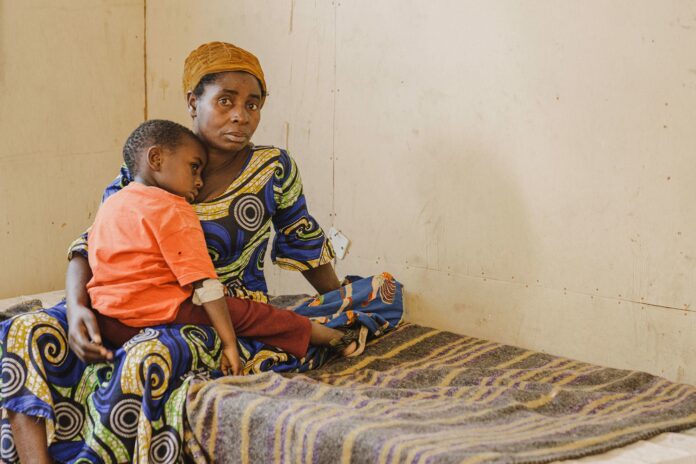

NAIROBI — The 65-year-old woman who became Kenya’s third confirmed Ebola patient on Friday had been in quarantine since 6 October, and that, the Kenya Ministry of Health said, is why her illness was caught early.
She is a close relative of the first two patients and, like the earlier Kenya Ebola case TEH reported on Wednesday, she fell ill while already under watch. The ministry said she developed fever, sore throat and malaise, tested positive at two laboratories and is receiving supportive care.
Officials are calling that the system working. Dr Patrick Amoth, the ministry’s director general for health, said it was “the response working as designed,” according to the World Health Organization. The ministry’s own statement carries the caveat: more cases among quarantined contacts remain possible until their monitoring ends.
The numbers come with edges. The ministry said 130 contacts have been listed, of whom 127, or 97.7 percent, are traced and in quarantine, which it called above the “global benchmark of 85 percent required to break the chain of transmission,” Xinhua reported. Three contacts are still being traced. A WHO release on 12 October counted 127 listed contacts, 94 of them in quarantine, so the list has grown and the number in quarantine has risen.
The first patient, a Kenyan man who had travelled home from the Democratic Republic of the Congo, died on the night of 5 October, WHO said. His contacts include relatives, friends, the health workers who treated him and people who shared his flight. Those in quarantine get daily temperature and symptom checks for 21 days.
The virus is Bundibugyo, the strain behind the Congo Ebola outbreak. WHO says there is no licensed vaccine or specific treatment, though trials are under way in Congo.
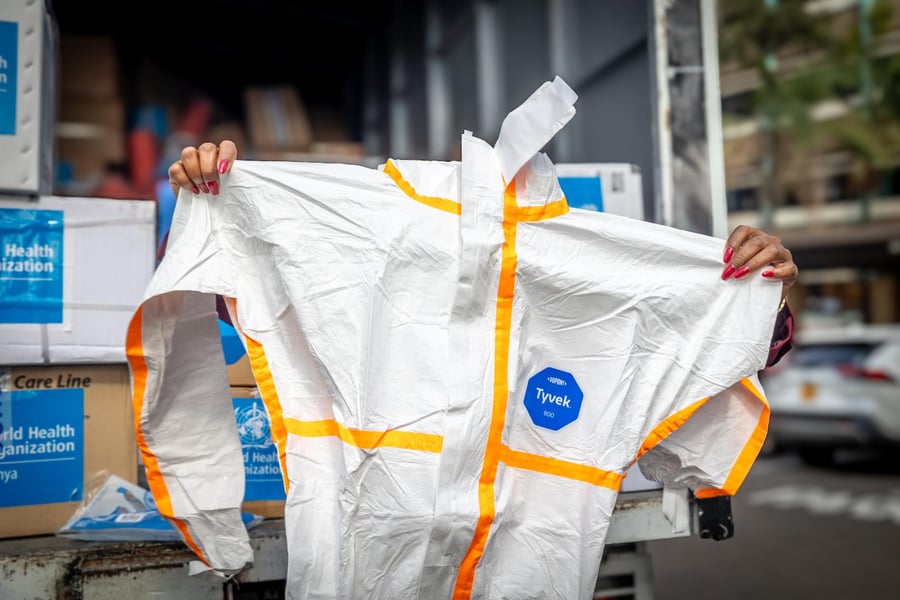
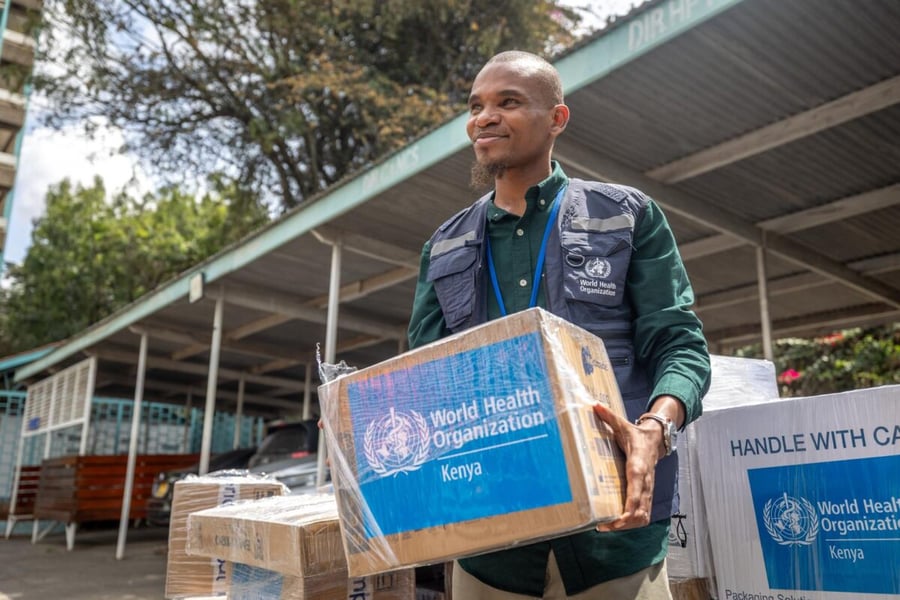
Kenya has trained nearly 5,000 health workers since May, and WHO has handed over supplies worth around $70,000. Treatment is still experimental: TEH covered the first Bundibugyo drug trial in July. The ministry says travel, trade and public gatherings are unrestricted.
Neither WHO’s release nor the ministry statement as Xinhua relayed it says where the woman was quarantined, when she was exposed, or whether the three untraced contacts are relatives, health workers or fellow passengers. Her condition has been described only as supportive care, while the second patient is reported stable. Whether those three have already been exposed is the question the 97.7 percent cannot answer.