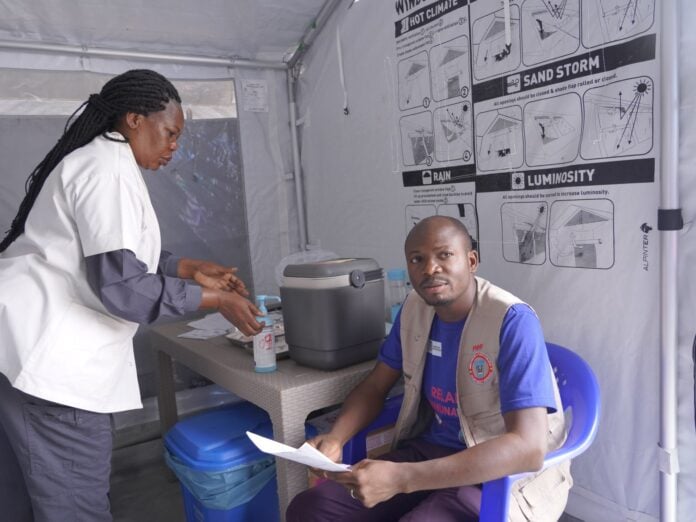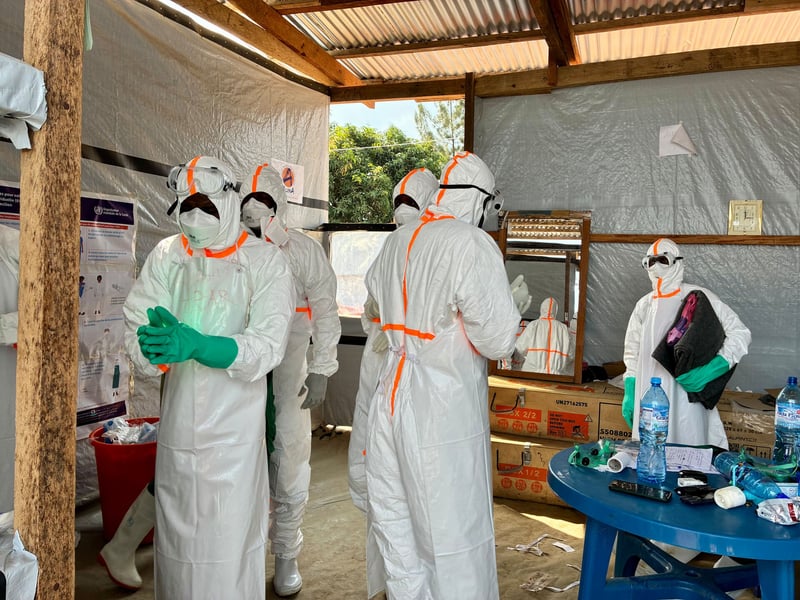

KINSHASA — Congo’s health minister said earlier this month that the Ebola outbreak was “becoming increasingly localized,” and on Tuesday the country’s confirmed count passed 9,000, with 4,381 people dead and no approved vaccine or treatment for the strain behind it.
The latest situation report from Congo’s Ebola task force, covering data to October 11, lists 9,066 confirmed cases, 4,381 deaths and 2,389 recoveries, a fatality rate of 48.3 percent. It is the largest and deadliest Ebola outbreak in Congo’s history and the second-largest ever recorded, behind the epidemic of 2014 to 2016 in West Africa that infected more than 28,600 people and killed more than 11,000. It now spans 65 health zones in seven provinces.
The minister’s description and the arithmetic point in different directions. The UK government’s outbreak summary counted 8,116 confirmed cases and 3,924 deaths as of September 27. By EH’s calculation from the two reports, that is 950 more cases and 457 more deaths in two weeks, at a fatality rate that has not moved from 48 percent. EH reported in September that North Kivu’s caseload had surged 73 percent in three weeks while Ituri showed early signs of improvement, and Ituri still accounts for 73.8 percent of confirmed cases.
| Measure | Sept. 27 | Oct. 11 | Change |
|---|---|---|---|
| Confirmed cases | 8,116 | 9,066 | ▲ 950 |
| Confirmed deaths | 3,924 | 4,381 | ▲ 457 |
| Health zones affected | 63 | 65 | ▲ 2 |
| Fatality rate (percent) | 48.3 | 48.3 | Flat |
| Source: UK Health Security Agency outbreak summary (data as of Sept. 27) and Congo’s Ebola task force report as relayed by Xinhua (data as of Oct. 11). Changes and the Sept. 27 fatality rate are EH’s arithmetic; the two reports may count slightly differently. | |||
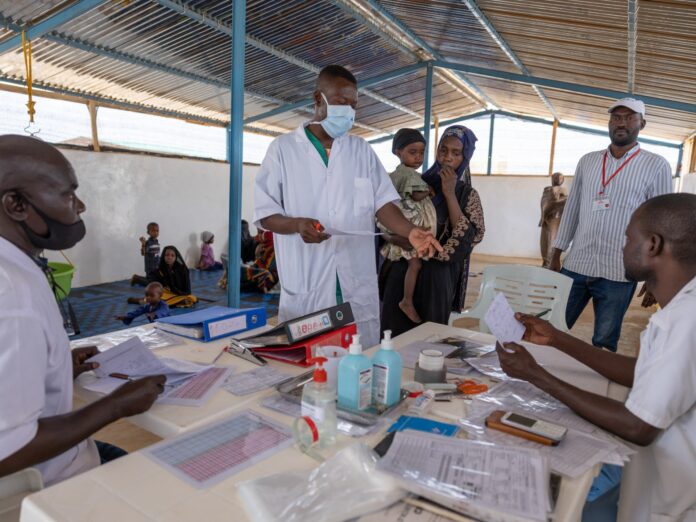
The September 27 summary put 6,182 cases and 2,848 deaths in Ituri and 1,541 cases and 914 deaths in North Kivu, where new cases were rising, according to the UK government’s outbreak monitoring report. North Kivu has the highest fatality rate, 57.1 percent, in the latest report, and Health Minister Roger Kamba said several affected zones had reported no new cases for weeks, Xinhua reported. World Health Organization chief Tedros Adhanom Ghebreyesus warned on October 7 that the epidemic was slowing in some areas but still growing in others, and flagged the share of deaths occurring in communities and gaps in contact tracing.
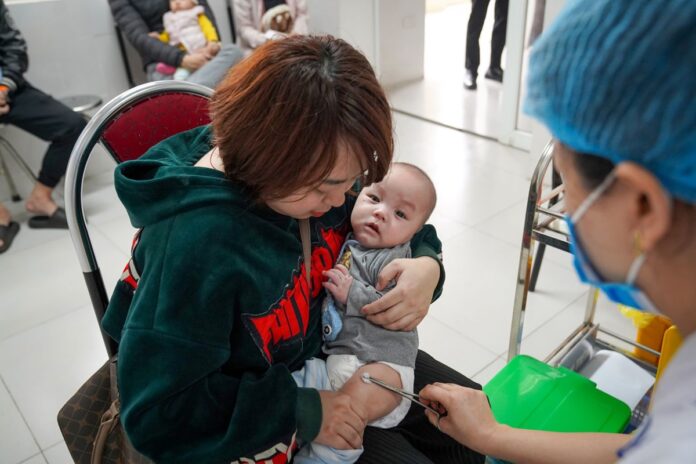
The Bundibugyo strain has no approved vaccines or treatments. Ervebo, built for a different Ebola strain, is being given to frontline workers under research protocols and compassionate use, with 399 vaccinated in Haut-Uele as of October 11, and its effect on this strain is unproven. The Coalition for Epidemic Preparedness Innovations said on Tuesday that final preparations are under way for Tumaini, a Phase 2/3 trial of vaccine candidates that would start in the coming weeks, pending ethical and regulatory approval, with Ervebo likely tested first. The WHO’s Chikwe Ihekweazu said the trial was being prepared for Congo “in the coming weeks,” Al Jazeera reported.
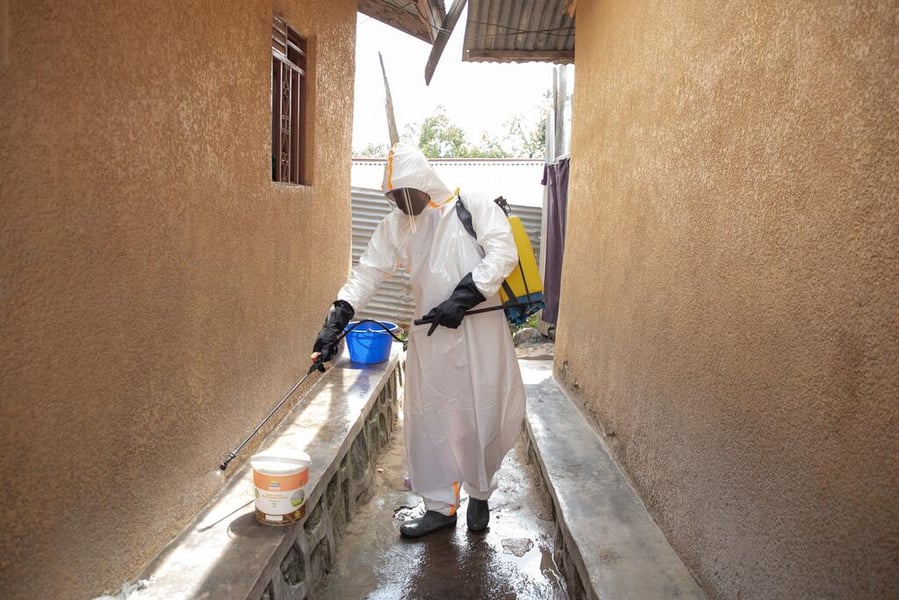
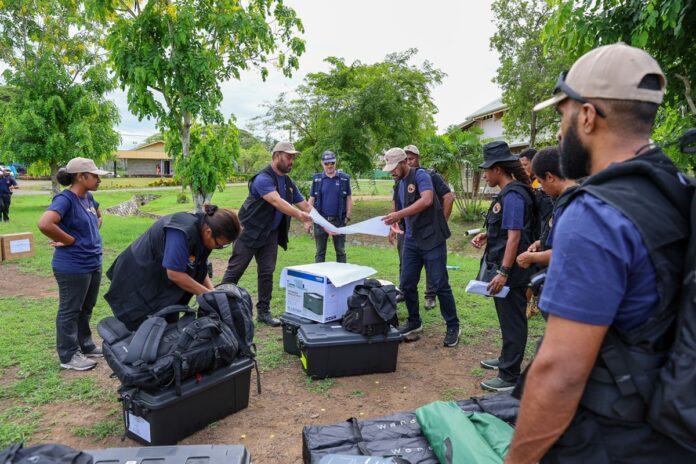
Responders are also working against mistrust. Many people believe the disease is a ruse for officials to siphon off money, Al Jazeera reported, and a local politician in eastern Congo was beaten to death in September after defending the government’s response on the radio, according to his party. Fighting between the M23 rebel group and government forces makes it harder to move supplies to remote areas.
The disease has already crossed a border. Kenya reported its first imported case last week, a Kenyan national who had lived in Congo, travelled through Uganda and died in Nairobi. Uganda had 20 cases and two deaths and was declared free of the outbreak on August 27 by the WHO and Africa CDC. The outbreak was declared on May 15, and some experts suspect it began as early as February.
None of the reports reviewed says how many infections the confirmed count misses, or gives a start date for the vaccine trial beyond “the coming weeks.”