Protein deserves a place alongside calcium in conversations about maintaining strong bones with age, according to dietitians interviewed by Martha Stewart. Their recommendations include familiar foods such as milk, Greek yogurt, fish and lentils, rather than relying on a single ingredient or supplement.
In the publication’s guide to protein and bone health, registered dietitians Lauri Wright, Beth Goodridge and Connie Elick explain how protein contributes to bone structure and supports the muscles that help people remain mobile.
Why protein matters for bones
Wright, an associate professor and director of nutrition programs at the University of South Florida, says protein supplies part of the framework that minerals strengthen. Goodridge, a dietitian at Kaiser Permanente in Northern California, explains that its amino acids help the body produce collagen and bone-building cells called osteoblasts.
Protein also helps maintain muscle. During resistance exercise, muscles pull on tendons attached to bones, a process Goodridge says signals the body to build bone. The experts emphasise that adequate protein works alongside calcium, vitamin D and physical activity, rather than replacing them.
1. Lean meat
Chicken and turkey provide protein along with minerals involved in bone health. The guide lists about 43 grams of protein in a cup of chopped, skinless chicken breast. Goodridge also highlights magnesium and zinc, explaining their roles in vitamin D activity and the collagen framework.
Cooked chicken can be added to soups, wraps and salads, while ground turkey can be used in burgers or tacos. The portion matters when comparing protein totals across foods.
2. Cottage cheese
Elick, a registered dietitian and chef-instructor at the Institute of Culinary Education, points to cottage cheese as a source of protein, calcium and phosphorus. The article gives approximately 24 grams of protein per cup. Some products also contain added vitamin D, so checking the label helps establish what a particular serving provides.
3. Salmon and sardines
A three-ounce serving of cooked salmon provides about 20 to 22 grams of protein, Wright says. Fatty fish also supplies vitamin D. Sardines and canned salmon with edible bones offer an additional benefit: the bones contribute calcium. Boneless fish should not be assumed to provide the same calcium content.
4. Beans, peas and lentils
Legumes offer a plant-based route to protein. The guide lists nearly 18 grams in a cup of boiled lentils and about 19 grams in a cup of canned white beans. Goodridge notes that plant proteins also supply amino acids used in collagen production and bone-building processes. Soups, stews and mixed-grain dishes are practical ways to include them.
5. Greek yogurt
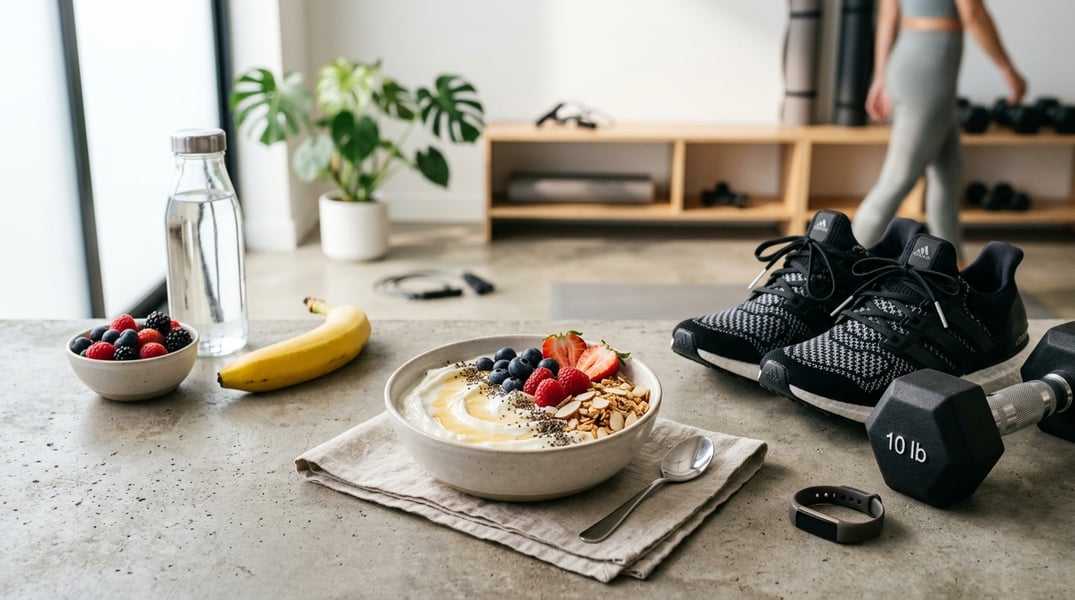
Greek yogurt combines protein with calcium and phosphorus. The guide cites approximately 21.5 grams of protein per cup, although amounts depend on the product. Some varieties are fortified with vitamin D. It can be served with berries and nuts, blended into smoothies or used instead of sour cream.
6. Soy foods
Wright describes soy as a complete protein because it provides all nine essential amino acids. The article gives around 10 grams of protein in half a cup of tofu. Calcium-set tofu can supply substantial calcium, while other soy products differ in their nutrient content. Check the ingredients and nutrition panel rather than treating every tofu or soy drink as equivalent.
7. Milk
A cup of cow’s milk supplies roughly eight grams of protein and 300 milligrams of calcium, Wright says. Vitamin D may also be added through fortification. Milk can be used in porridge or smoothies, offering a straightforward way to combine several nutrients in one meal.
The wider picture
The central message is consistent nutrition, not a promise that one food will prevent fractures or reverse bone loss. Wright recommends combining adequate protein, calcium and vitamin D with strength training and weight-bearing activity. The serving figures above come from the source guide and are examples, not personalised intake targets.