The WHO's first global guidelines on child and adolescent obesity rule out drugs, surgery and devices for children under 10 and allow medicines for adolescents only after a supervised lifestyle programme fails. The release does not name the drugs or
A Florida Atlantic University analysis of 17,024 men found that higher ultra-processed food intake is linked to a 29 to 31 percent greater risk of prostate cancer, a signal that held after
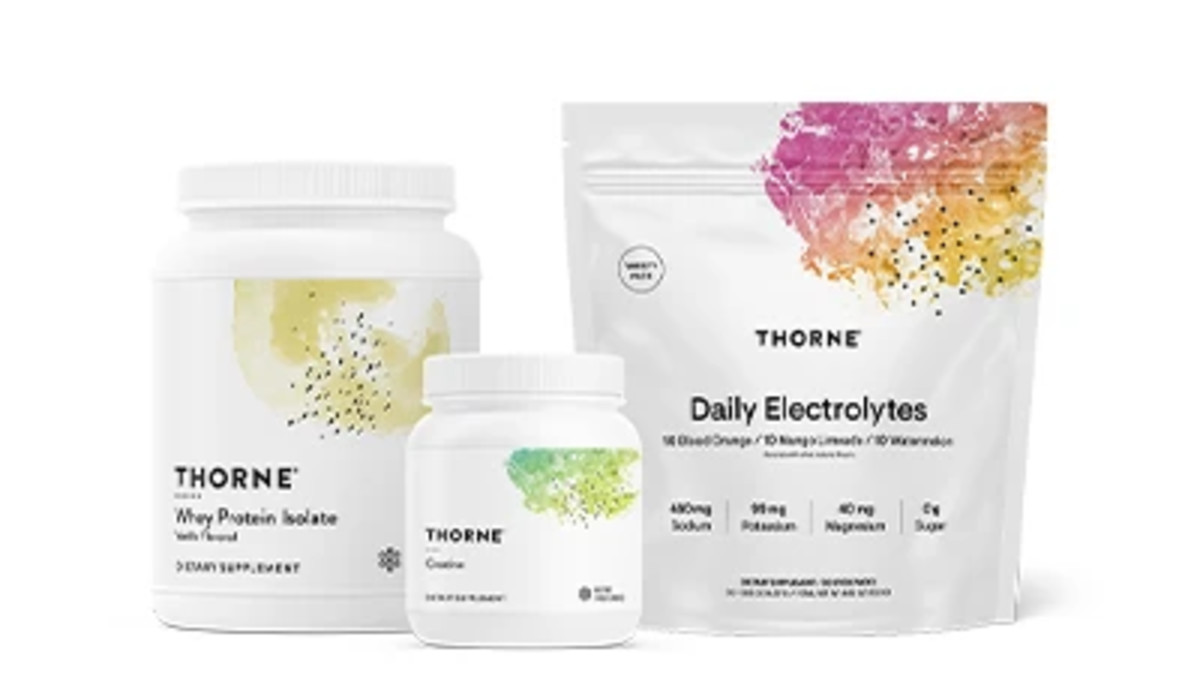
Procter & Gamble announced it will acquire Thorne, a science-backed supplement brand trusted by practitioners, for $3.8 billion. The deal is P&G's largest health care bet in years, targeting younger consumers driving
Two studies published Tuesday in Neurology and npj Aging, using Britain's wartime sugar rationing as a natural experiment, found that limiting sugar from before birth through age two was linked to a
One in three people globally cannot afford a healthy diet, according to the 2026 UN State of Food Security and Nutrition in the World report. The annual assessment found 733 million people
A University of Ottawa systematic review of five clinical trials found creatine improved depression outcomes in two studies targeting women with major depressive disorder but showed no benefit in three others. Safety
A Hirosaki University study of 2,044 older Japanese adults found lower plasma vitamin C linked to reduced gray matter and weaker default mode network connectivity. The observational finding adds precision to evidence
A Purdue University study finds that the federal ounce-equivalent system used to compare protein foods may obscure critical differences in amino acid availability, with implications for muscle health in aging adults.
The protein bar industry has built a billion-dollar market on the illusion of health. A closer look at ingredients reveals that many leading brands are closer to candy bars than recovery fuel.
A vitamin at the center of scientific tension Vitamin B12, or cobalamin, is fundamental to DNA synthesis, red blood cell production, and neurological integrity. Clinical medicine has long treated clinical overview of
A long-running epidemiological study tracking nearly 40,000 older adults has added new weight to a contentious question in nutritional neuroscience: whether everyday dietary choices can meaningfully influence Alzheimer’s disease risk. The findings















Follow