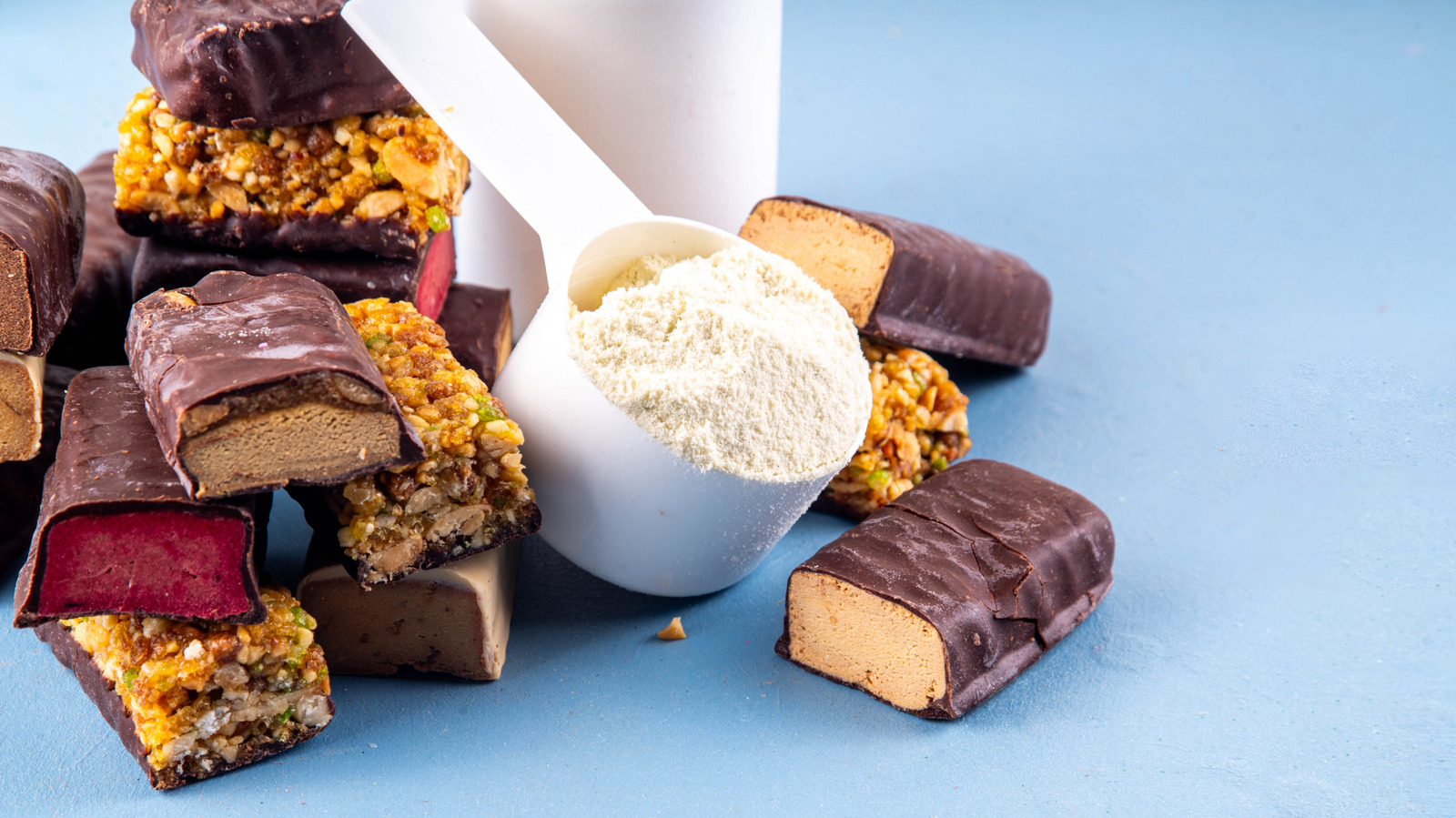

NEW YORK — There is a moment, somewhere between the gym exit and the parking lot, when millions of people reach for what they believe is a responsible choice. The protein bar. High-protein, the label says. Sometimes: all-natural. Often: plant-based. Rarely does it say: 29 grams of added sugar, 70 percent of your daily saturated fat, and a list of emulsifiers that researchers are only now beginning to examine.
The global protein bar market was valued at roughly $6 billion in 2024 and is projected to grow well past $9 billion by the end of the decade, driven almost entirely by the marketing language of fitness and wellness. What that language tends to obscure is the ingredient list, and what a new nutritional review of bars currently on U.S. store shelves in 2026 found is that many of the country’s best-selling products carry inflammatory loads that would be familiar on any candy aisle.
The assessment, conducted by plant-based nutrition specialist Caroline DiNicola using criteria aligned with USDA nutritional guidelines, evaluated ten widely available brands on the basis of inflammatory ingredient prevalence, refined sugar content, saturated fat levels, and the presence of additives linked to negative health outcomes in peer-reviewed literature. The results challenge a fitness-nutrition industry that has spent decades conflating protein quantity with product quality.
Gatorade Protein Bars, a product sold in virtually every pharmacy, gas station, and big-box store in the country, contain 29 grams of added sugar per bar. That figure puts a single bar ahead of many full-dessert items. The same product contains mono- and diglycerides as emulsifiers; a 2024 study published in PLOS Medicine identified a correlation between emulsifier consumption and elevated cancer risk, though researchers note that further study is required to establish causation. The bar’s manufacturer, PepsiCo, has not responded publicly to the study’s findings.
What makes the protein bar category distinct from ordinary confectionery is the specific mechanism by which its health claims survive scrutiny. The protein count is real. A MET-Rx Big 100 Bar does contain approximately 32 grams of protein per serving, roughly half the daily recommended intake for a moderately active 170-pound adult. But the same bar arrives packaged with 27 grams of sugar, 3 grams of fiber, and palm oil, a highly saturated ingredient whose production is also bound up in documented environmental concerns including deforestation. The nutrition is genuine. The framing around it is not.
Robert Irvine’s FitCrunch Bars, endorsed by the celebrity chef and marketed heavily in gym retail environments, represent perhaps the starkest example of this gap. The Caramel Peanut flavor carries 70 percent of the recommended daily allowance of saturated fat in a single bar. A 2019 article in the journal Nutrients found that high saturated fat intake is directly associated with systemic inflammation, the same biological mechanism at the root of cardiovascular disease, certain cancers, and type 2 diabetes. A bar designed to accelerate physical recovery, in other words, may be activating the very inflammatory pathways its buyers are trying to suppress.
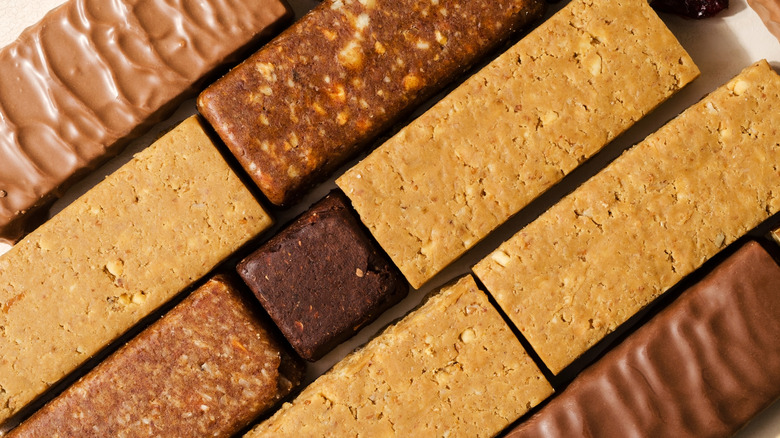
Sugar alcohols, found in Think! High Protein Bars, Pure Protein Bars, Balance Bar, and several others on the list, present a separate problem. Maltitol syrup, the most common sugar alcohol in the category, is used to reduce caloric load without sacrificing sweetness. It does not carry the same metabolic risks as sucrose. What it does carry is a well-documented laxative effect at higher doses. The practical question of how much is too much is rarely answered on packaging. Think!’s Chocolate and Crème Cupcake bar also contains 35 percent of the recommended daily saturated fat allowance, a figure that becomes significant if the bar is consumed as a meal replacement, which is how many users treat the category.
The sugar question runs deeper than any single product. A 2022 article in Frontiers in Immunology found that excessive sugar intake has measurable pro-inflammatory effects. A separate 2022 paper in Missouri Medicine linked high added-sugar diets to insulin resistance, sodium retention, and sympathetic nervous system activation, a cluster of outcomes associated with hypertension and impaired kidney function. ZonePerfect’s Fudge Graham bar contains 15 grams of added sugar, roughly the same as half a cup of vanilla ice cream. Its packaging carries the phrase “perfect blend of taste and nutrition.”
The Atkins High Protein Bar occupies a specific corner of the market: the low-carb consumer who has already rejected mainstream nutritional advice and is therefore, the brand implies, wise to hidden dangers. Its Brownie Delight Layered bar contains sucralose, the zero-calorie sweetener that a 2024 study in the journal Life associated with inflammation, metabolic disruption, and liver damage in elevated concentrations. The same bar contains erythritol, a sweetener that a landmark 2023 study in Nature Medicine linked to increased cardiovascular risk. Neither finding is conclusive. Both are sufficiently significant to warrant disclosure in marketing materials. Neither appears there.
What the review does not resolve is the counterfactual. Compared to what? If the alternative for a post-workout consumer is a fast-food meal or no meal, a bar with 30 grams of protein and a concerning ingredient list may still represent a net positive. DiNicola’s framework is explicit that moderation matters, and that eating a Gatorade bar occasionally will not cause long-term damage. The problem is that moderation is not the marketing pitch. The pitch is optimization: recovery, performance, health. The gap between those claims and the ingredient reality is where the consumer harm lives. As Eastern Herald reported last week on the statin nocebo effect, the distance between a product’s real risk profile and the way that risk is communicated to the public carries measurable consequences for consumer behavior.
The protein bar industry does not operate in a regulatory vacuum. The FDA requires accurate labeling of sugar, fat, and ingredient content. What it does not require is proportionality between front-of-pack health claims and the full nutritional picture, a gap that has allowed an entire product category to position candy-bar-adjacent formulations as fitness food for roughly three decades. The research on emulsifiers, erythritol, and sucralose is recent enough that labeling law has not caught up. It is not clear that it is trying to.
Until it does, the nutritional review suggests, the most reliable signal available to consumers remains the one the industry has always had an interest in making difficult to read: the ingredient list itself. Fiber content, antioxidant-rich components, recognizable whole ingredients, and saturated fat levels below 15 percent of daily allowance are the benchmarks DiNicola identifies as meaningful. By those measures, most of the market’s leading products do not qualify as health food. They qualify as convenient, protein-adjacent snacks with branding that says otherwise. That finding, at minimum, is something consumers trying to make genuinely healthful choices deserve to know before they buy.