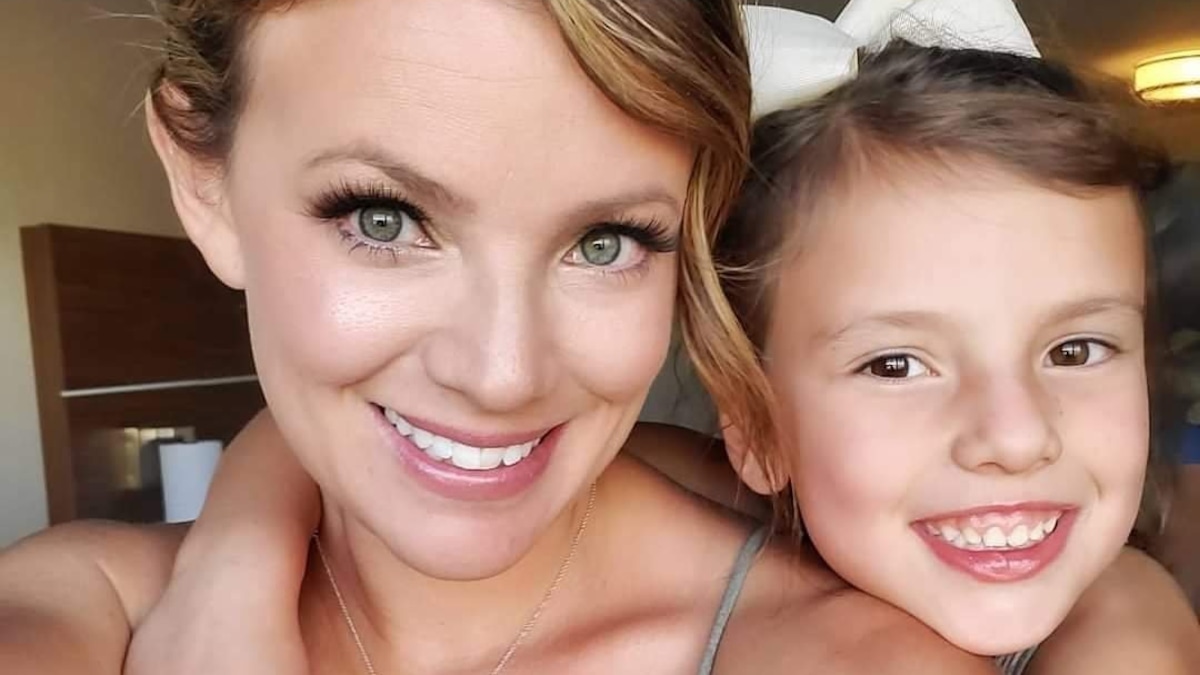

GODDARD, Kan. – On the evening of May 28, Britagne Miller was sitting with her family around a campfire near Cheney Lake when something in the grass found her. She wasn’t sure, at first, how many times she had been bitten. The bites didn’t register as an emergency. Not until four days later, when the pain in her calf turned into swelling she described as feeling like “a fire stir that’s metal,” did she go to the hospital.
What followed left the Goddard mother of four on a waiting list for a liver transplant, fighting to stabilize a body that her spider bites had set into a cascading medical emergency.
Health officials and her treating physicians believe Miller was bitten by approximately 15 brown recluse spiders during the campfire outing near Cheney Lake. That number has not been confirmed through laboratory testing. Brown recluse bites are notoriously difficult to definitively diagnose because physicians rarely see the spider and venom reactions vary widely by individual. But the wound pattern and the progression of her symptoms pointed her doctors toward the only spider in Kansas whose venom can cause the kind of tissue destruction she experienced. Dr. Raymond Cloyd, a horticultural entomologist at Kansas State University, put it plainly: “The two venomous ones that we have in Kansas are the black widow spider, and the more numerous one is the brown recluse spider.”
What made Miller’s case extraordinary was the medical history she brought into the encounter. She has two blood clotting disorders, a compromised liver, and multiple food and medication allergies. The venom entered a system already running at reduced capacity, and the consequences cascaded. Surgeons removed approximately 300 milliliters of blood clots during an emergency operation. Then, five days after surgery, two separate infections set in: a staph infection and a gram-negative bloodstream infection. Her husband Jake Miller, who has since left his job to manage her care, noted on the family’s GoFundMe page that doctors warned she could bleed out because of the clotting disorders, making routine surgical steps far more dangerous than they would ordinarily be.
The infections, layered on top of the surgery and the venom, pushed her into end-stage liver failure. Doctors gave her three days to a month to live. “They gave me three days up to a month to live, so that was scary,” Miller said. At some point during the hospitalization, she reached a breaking point. “I was like, ‘I give up. I’m done being cut open. I’m done being poked and prodded,'” she recalled. Then she thought about her children. She stayed.
Miller was discharged on July 11 and enrolled in at-home care. She is now waiting for a donor liver, and her physicians have told her the transplant cannot proceed until her hemoglobin levels stabilize enough for surgery to carry an acceptable risk.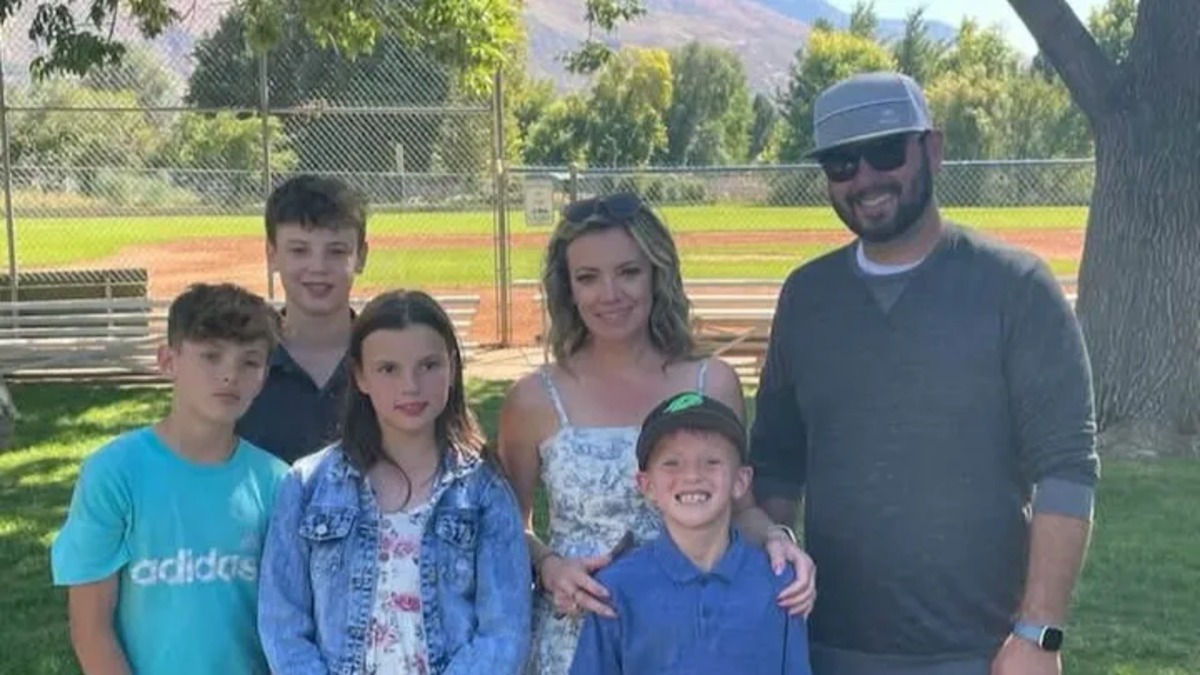
Brown recluse spiders (Loxosceles reclusa) are not predators of humans. They do not pursue people, and their bites occur almost exclusively when a spider is trapped against skin inside clothing, bedding, or shoes that a person doesn’t inspect before use. In an outdoor setting near tall grass and brush, the risk exists wherever the spiders shelter, and Cheney Lake’s mixed grassland and riparian terrain is representative of the environments where the species thrives across Kansas and the wider Midwest.
The venom contains a phospholipase enzyme called sphingomyelinase D, which destroys cell membranes and can produce inflammatory responses far out of proportion to the animal’s small size. In most healthy adults, a brown recluse bite causes localized necrosis at the wound site, a lesion that heals slowly over weeks without spreading through the body. In patients with compromised immune function, clotting disorders, or liver disease, the same venom can trigger systemic reactions that physicians call loxoscelism. The severity correlates closely with pre-existing health. Two people bitten in the same yard by the same species can have radically different outcomes, which is why Miller’s case evolved as it did while her family sat at the same campfire without symptoms.
Miller’s GoFundMe campaign has raised more than $23,000 to cover hospital bills, ongoing medical expenses, home health care costs, and daily household expenses while her husband remains out of work. As wildlife encounters linking humans to serious illness multiplied through the summer, the Wisconsin girl who survived a rabid bat attack in July became one of several cases drawing national attention to the risk of outdoor exposures for people with underlying health conditions.
Medical professionals treating spider bite patients consistently emphasize that the identity of the spider matters significantly for prognosis and treatment. Anyone who suspects a brown recluse bite should try to capture the spider carefully if possible, seek prompt medical attention if symptoms worsen or spread, and disclose any underlying conditions to their physician. In Kansas, tick season 2026 had already driven emergency room visits for outdoor arthropod encounters to their highest level in nearly a decade, a measure of how fully the summer of 2026 has pushed wildlife-related health risks into the spotlight across the Great Plains and Midwest.
The uncertainty in Miller’s case is layered. Whether the spiders were definitively brown recluses remains unconfirmed. How long she will wait for a matching donor liver is unknown. Whether her hemoglobin will stabilize in time has no guaranteed answer. The tularemia cases in New York that emerged this week carry a similar uncertainty: the bacterium is treatable, but laboratory confirmation takes weeks, and what links both cases is the common thread of wildlife contact producing illness whose severity was not anticipated by the people who experienced it.
“I’m terrified of surgery, that I’m going to go to sleep and not wake up,” Miller said before her initial operation. Those words carry a different weight now that the liver transplant she is waiting for will require another surgery, another general anesthetic, and another margin for error. She is grateful to be home in Goddard. She is not well.